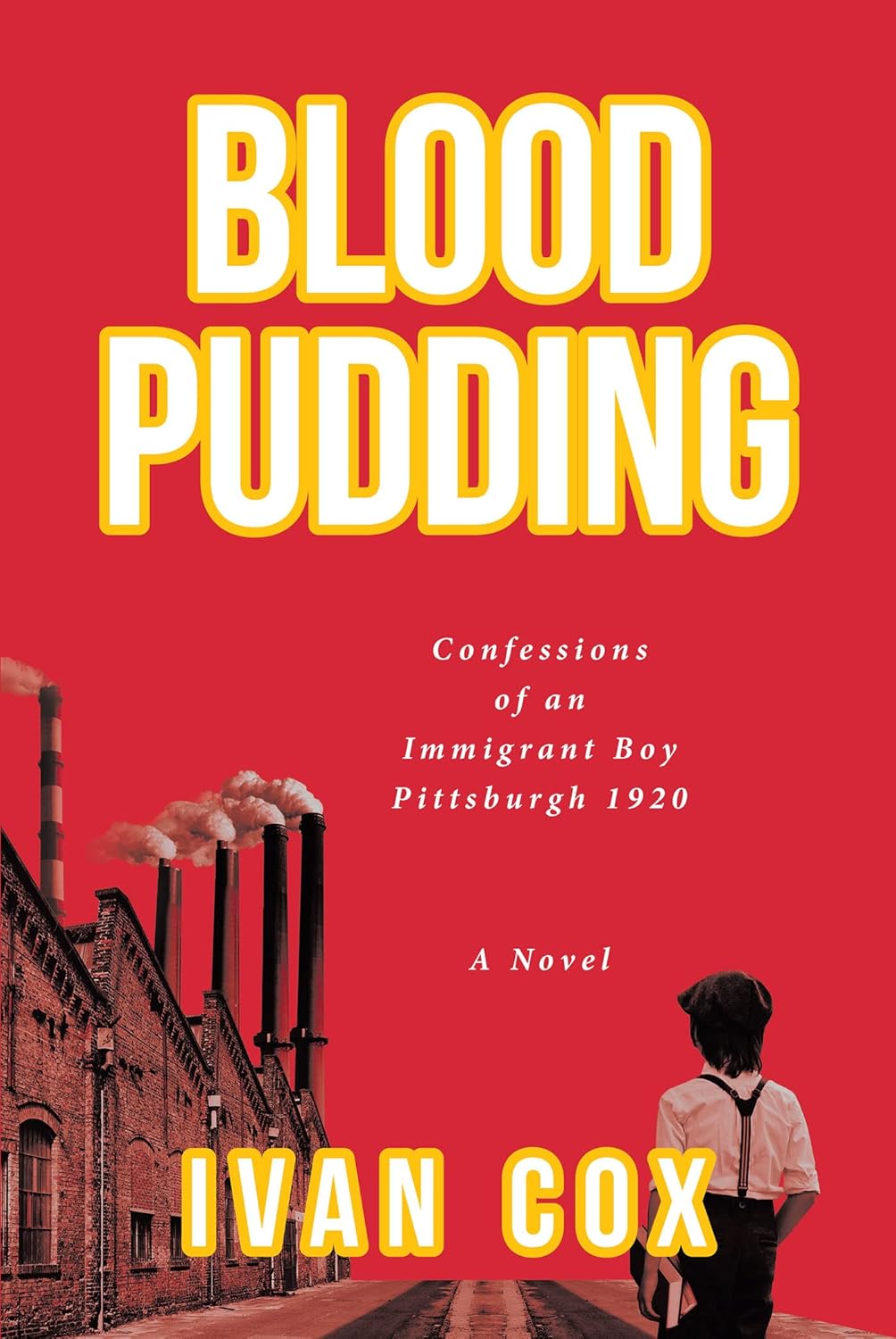
Ivan Cox’s Blood Pudding offers a deeply moving glimpse into the life of an immigrant family navigating the hardships of 1920s Pittsburgh. Through the eyes of a young boy, the novel captures the grit, resilience, and humanity of those striving to build a new life in a foreign land. While the story is rooted in struggle, it also shines with moments of hope and connection, many of which are tied to traditions that offer solace amid adversity.
The Malinowski family’s story resonates with countless immigrant experiences. Uprooted from Poland, they arrive in America carrying dreams of prosperity, only to face the cold reality of industrial labor, cultural dislocation, and the loss of loved ones. Yet, their spirit remains unbroken. The narrative reveals how shared rituals and small moments of joy become lifelines, helping them endure and adapt to their harsh environment.
One of the novel’s most poignant themes is the family’s effort to hold onto their Polish heritage while forging a new identity in America. Food, music, and simple gatherings serve as bridges between their past and present. These moments of connection, though often modest, highlight the universal importance of belonging and the ways in which traditions anchor us during times of change.
Cox’s storytelling is unflinchingly honest, yet it finds beauty in the smallest acts of kindness and perseverance. The characters’ struggles serve as a testament to the resilience of the human spirit, while their efforts to create light in dark times remind readers of the power of community and love.
Ultimately, Blood Pudding is a celebration of the enduring strength found in family and tradition. It invites readers to reflect on their own roots, the sacrifices made by those who came before them, and the ways in which hope can be found, even in the most challenging of circumstances.