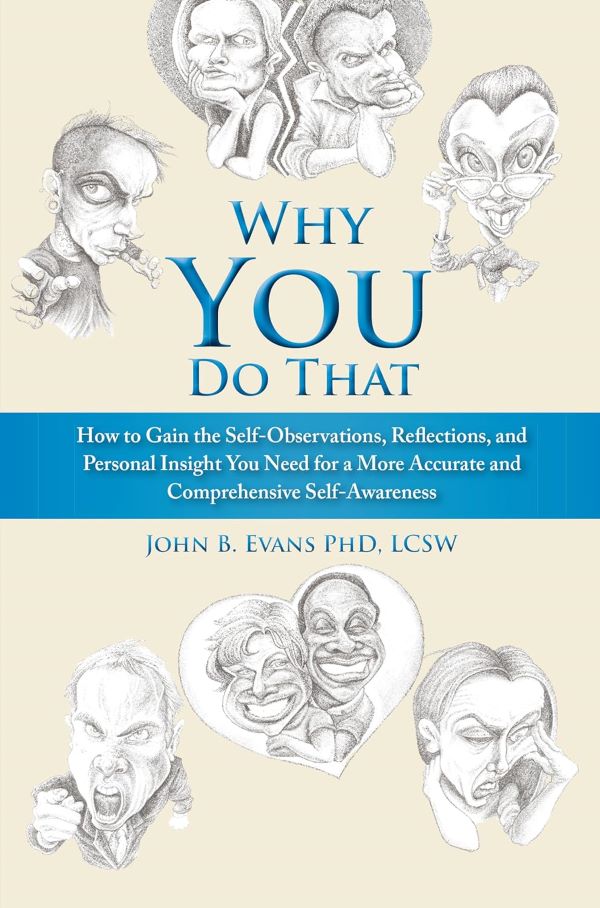
Recovering from abuse is a challenging and transformative journey. Survivors often grapple with diminished self-worth and confidence due to the emotional and psychological scars left by their experiences. Rebuilding self-worth involves reclaiming one’s identity, healing from trauma, and fostering personal empowerment. John B. Evans PhD, LCSW’s book WHY YOU DO THAT: How to Gain the Self–Observations, Reflections, and Personal Insight You Need for a More Accurate and Comprehensive Self–Awareness provides essential insights into the role of self-awareness in this process. This blog will offer practical strategies for survivors to rebuild their self-worth and confidence, focusing on personal empowerment and self-awareness.
1. Acknowledge Your Strengths and Achievements
One of the first steps in rebuilding self-worth is to recognize and celebrate your strengths and achievements, no matter how small they may seem.
- Reflect on Accomplishments: Take time to list your accomplishments, skills, and qualities. Reflect on what you have achieved despite the challenges you faced. This can include personal goals, professional achievements, or acts of resilience.
- Create a Strengths Journal: Maintain a journal where you record positive affirmations, achievements, and moments of pride. Revisit this journal regularly to remind yourself of your inherent worth and abilities.
2. Practice Self-Compassion
Self-compassion involves treating yourself with the same kindness and understanding you would offer a friend. This practice is vital for healing and rebuilding self-worth.
- Acknowledge Your Feelings: Allow yourself to experience and express your emotions without judgment. Understand that it’s okay to feel hurt, angry, or sad. Validating your feelings is a crucial step in the healing process.
- Forgive Yourself: Recognize that you are not at fault for the abuse you endured. Forgive yourself for any self-blame or guilt you may feel. Understanding that you deserve compassion and kindness can help shift your perspective.
3. Set Healthy Boundaries
Establishing and maintaining healthy boundaries is essential for personal empowerment and rebuilding self-worth.
- Identify Your Needs: Determine what boundaries you need to set to protect your emotional and physical well-being. This may include distancing yourself from toxic relationships or setting limits on how others treat you.
- Communicate Clearly: Assertively communicate your boundaries to others. Practice saying “no” when necessary and prioritize your own needs and comfort.
4. Seek Professional Support
Professional support can provide valuable guidance and tools for rebuilding self-worth. Therapy and counseling are essential for processing trauma and fostering personal growth.
- Find a Qualified Therapist: Seek out a therapist who specializes in trauma and abuse. They can offer a safe space to explore your experiences and develop strategies for healing.
- Explore Self-Awareness Techniques: Utilize techniques and exercises from John B. Evans’s book to enhance self-awareness. Understanding your thoughts, emotions, and behavioral patterns can facilitate personal growth and healing.
5. Set and Pursue Personal Goals
Setting and pursuing personal goals can help survivors regain a sense of purpose and self-worth.
- Define Your Goals: Identify short-term and long-term goals that align with your values and aspirations. These goals can be related to personal development, career, relationships, or other areas of interest.
- Create an Action Plan: Develop a plan to achieve your goals, breaking them down into manageable steps. Celebrate your progress and achievements along the way.
6. Challenge Negative Self-Talk
Negative self-talk can undermine self-worth and confidence. Addressing and transforming these negative thought patterns is essential for personal empowerment.
- Identify Negative Thoughts: Pay attention to negative self-talk and self-criticism. Recognize these thoughts as distortions rather than objective truths.
- Replace with Positive Affirmations: Counter negative thoughts with positive affirmations and evidence of your strengths and accomplishments. Reframe your self-perception to reflect a more balanced and compassionate view.
7. Embrace Personal Growth
Rebuilding self-worth is an ongoing process of personal growth and self-discovery.
- Pursue Learning and Development: Engage in activities that promote personal growth, such as education, skill-building, or exploring new interests. Growth fosters a sense of achievement and confidence.
- Reflect on Your Journey: Regularly reflect on your progress and growth. Acknowledge the challenges you have overcome and the strength you have developed.
Rebuilding self-worth after abuse is a transformative journey that requires self-compassion, empowerment, and support. By acknowledging your strengths, practicing self-care, setting healthy boundaries, and seeking professional help, you can reclaim your sense of self-worth and confidence. John B. Evans’s WHY YOU DO THAT offers valuable insights into the role of self-awareness in this process. Remember, the path to healing is personal and unique to each individual. Embrace your journey with patience and kindness, and know that you have the strength to rebuild and thrive.