

In Notes from the Landan Underground, The Boy Behind the Mirror offers a deeply personal and philosophical exploration of faith and doubt. The book examines the protagonist’s evolving relationship with religion, portraying it as both a source of comfort and a reminder of his vulnerabilities.
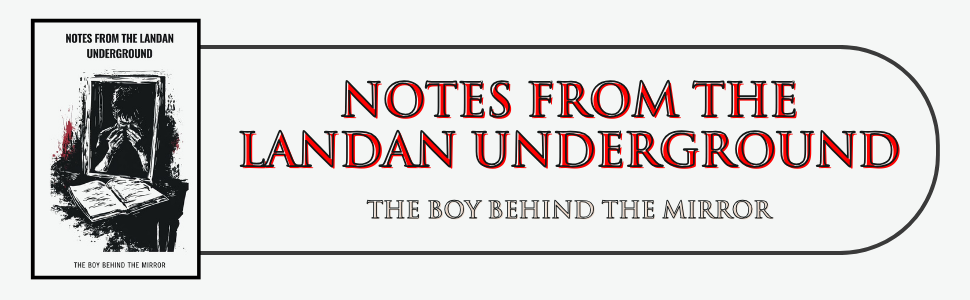
The narrative is set against the backdrop of the Kingdom of Kings, a society where faith is intertwined with control. Here, religion is wielded as a tool of power, demanding submission while stifling individuality. The protagonist’s early experiences with faith are shaped by these rigid structures, leaving him torn between cultural expectations and personal conviction.
A pivotal moment in the book occurs during the protagonist’s stroke, a crisis that forces him to confront his mortality. In this moment, faith resurfaces—not as an inherited obligation but as a deeply personal cry for meaning. He clings to the verse, “Allah burdens no soul beyond its capacity,” finding solace and strength in its words.
What makes the book especially poignant is its refusal to offer easy answers. The protagonist’s faith is not static but dynamic, reflecting his ongoing struggles with identity, fear, and self-acceptance. This nuanced portrayal challenges readers to consider their own beliefs and the ways in which faith intersects with the human condition.
Through its vivid prose and unflinching honesty, Notes from the Landan Underground transcends cultural boundaries, offering a universal meditation on the fragility and resilience of the human spirit.