

A strong community’s support can give hope and resiliency during difficult times. Whether dealing with grief, crises, or personal difficulties, the relationships made within supportive networks can offer consolation, inspiration, and useful support. This article will explore the importance of support networks and their role in promoting individual and group resilience.
The Power of Connection
Since humans are social animals by nature, the quality of our relationships with other people significantly impacts our overall well-being. Support networks provide an invaluable source of emotional validation, comprehension, and empathy during trying times. These relationships, which can be made up of family, friends, neighbours, or coworkers, give people a sense of community and solidarity, making them more resilient and strong when faced with hardship.
Emotional Support and Validation
Giving people in need emotional support and validation is one of the main purposes of support networks. It can be incredibly comforting to know that we’re not alone in our troubles and that others can relate and understand what we’re going through. Support networks assist people in processing their emotions and finding comfort in the face of hardship by actively listening, validating their feelings, and expressing empathy and compassion.
Practical Assistance and Resources
Support networks provide people in need with resources, practical help, and emotional support. The practical support provided by community members, whether in the form of food, childcare, transportation, or cash aid, can lessen the stresses of everyday living and free up time for people to concentrate on their rehabilitation. Communities can work together to meet the immediate needs of their members during difficult times by combining their resources and talents.
Fostering Resilience and Coping
Support networks are essential for helping their members develop resiliency and coping mechanisms. Support networks assist people in acquiring efficient coping mechanisms and problem-solving techniques by providing a secure environment for discussing experiences, expressing feelings, and looking for advice. Community members can gain strength from their shared relationships and learn from one another’s resilience through shared experiences and collective wisdom.
Building a Culture of Care and Compassion
In addition to offering aid when needed, support networks help foster a compassionate and caring culture throughout communities. Through exhibiting compassion, understanding, and unity toward one another, communities foster a climate where people feel appreciated, encouraged, and equipped to tackle life’s obstacles collectively. This caring culture improves the well-being of the individual and the group while fortifying social ties.
Conclusion
Having the backing of a robust community during difficult times can significantly impact an individual’s capacity to handle hardship with poise and perseverance. Support networks are critical in supporting individual well-being and community resilience by building relationships, offering emotional support and practical aid, and fostering a culture of caring and compassion. Let’s acknowledge the value of support systems and actively create and foster these vital relationships within our communities. In times of need, we may rely on one another for support, comfort, and hope.
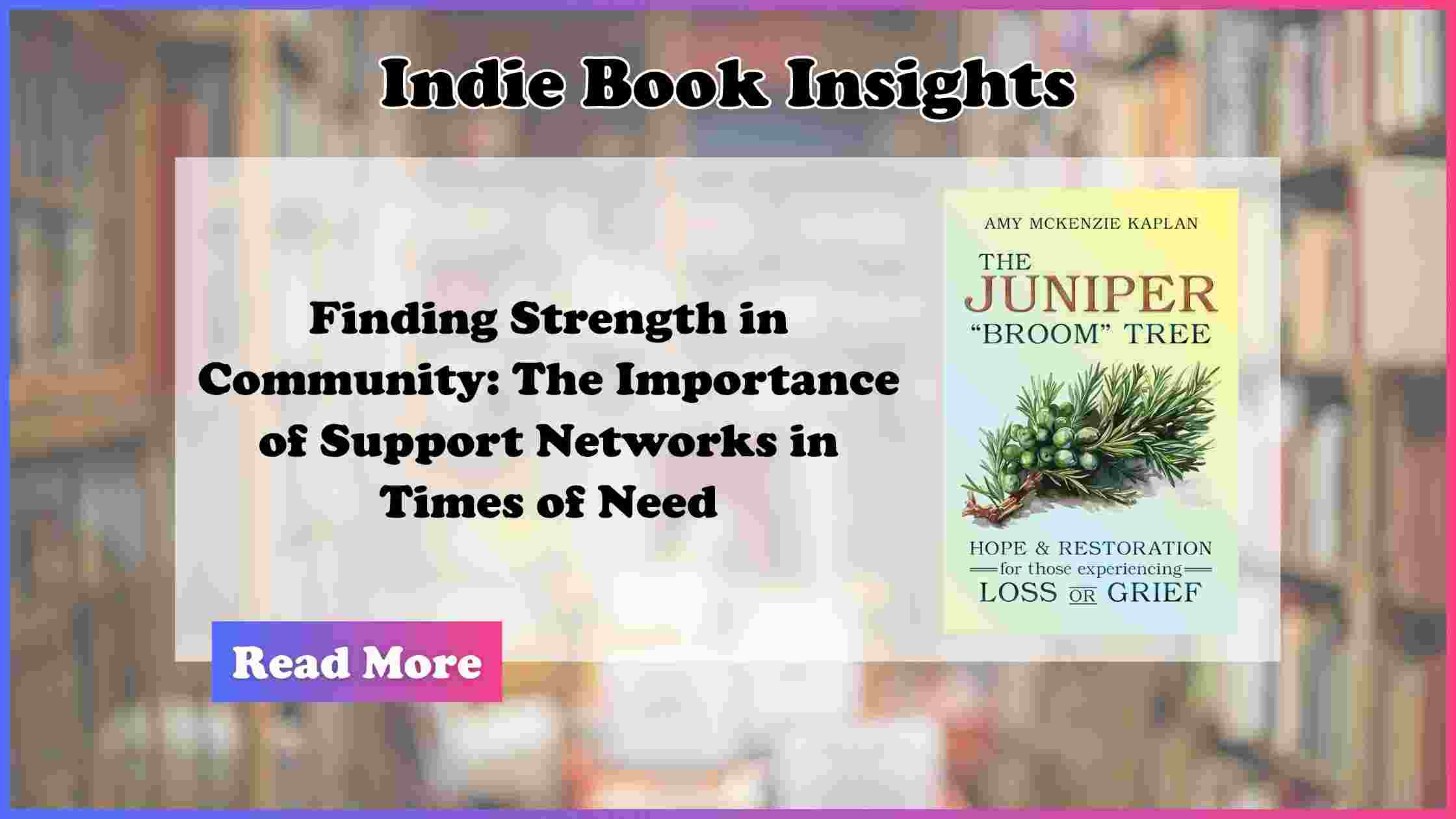
Unlock the transformative power of support networks with Amy McKenzie Kaplan’s new book, “The Juniper ‘Broom’ Tree: Hope & Restoration for those experiencing Loss or Grief.” Delve into its pages to discover the profound significance of community support in times of need. Order your copy from here: https://www.amazon.com/dp/B0D54D28VL now and embark on a journey of healing and resilience guided by Amy’s compassionate insights. Let her words inspire you to embrace the importance of support networks as pillars of strength and solace. Don’t miss this opportunity to find hope and restoration within the pages of this invaluable book. Purchase your copy today!