
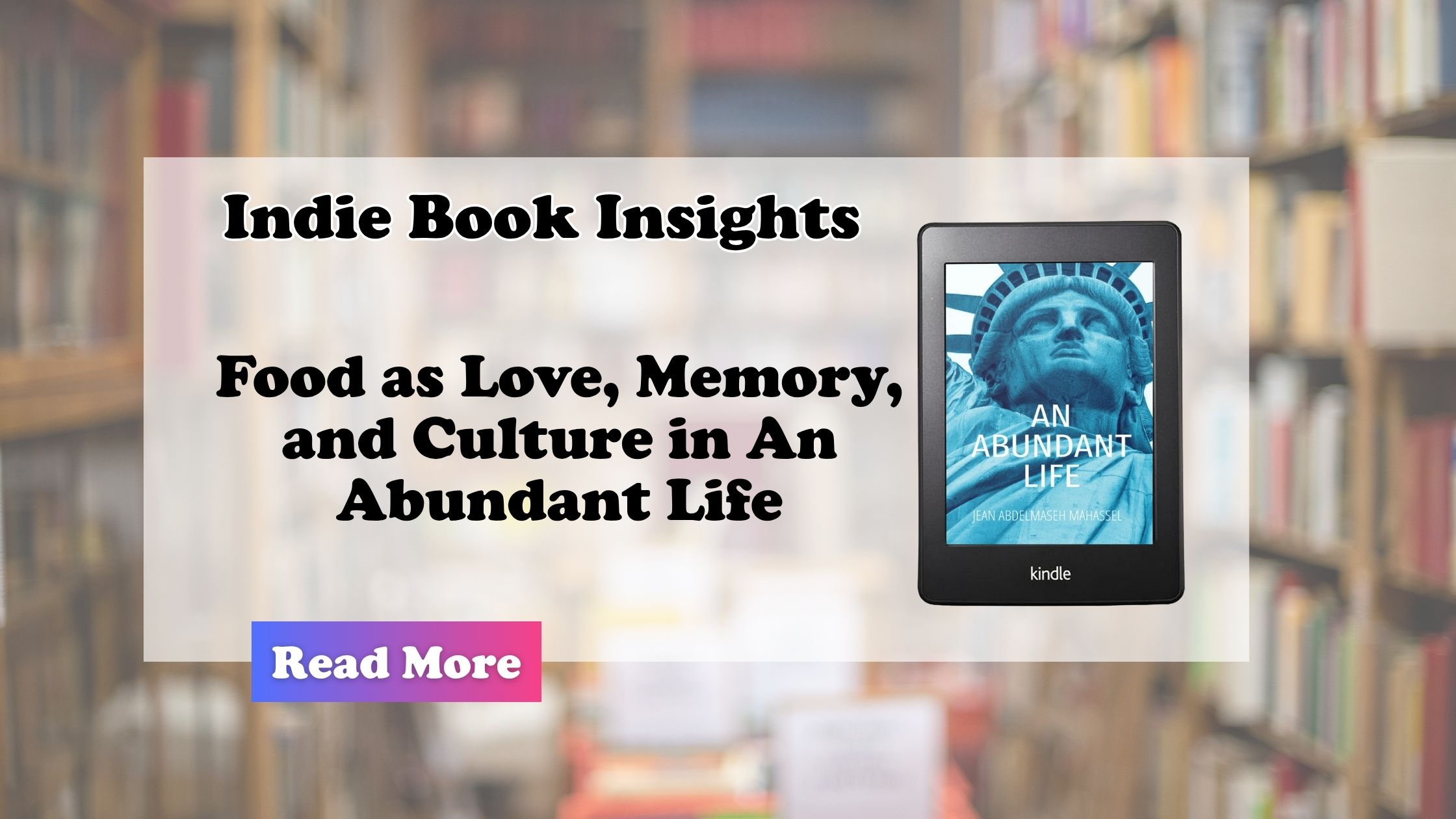
In An Abundant Life by Jean Abdelmaseh Mahassel, food is never just food. It is love placed on a table. It is memory shaped by hand. It is culture kept alive through recipes, rituals, scents, and shared meals.
From Amelia’s childhood in Mount Lebanon, the kitchen becomes one of the first places where she learns what family means. She watches, helps, prepares, and absorbs the traditions passed down by the women before her. Squash is hollowed and filled, grape leaves are picked at the right time, thin phyllo is handled with care, rice and noodles are browned in butter, and bread is made with skill learned through practice rather than written instruction. These moments show how culture survives when it is taught through touch, taste, and repetition.
Food also reveals the closeness of Amelia’s family. Meals are prepared with patience and eaten with gratitude. The scent of lamb, mint, parsley, bread, allspice, and tomatoes fills the home and gathers everyone together. In these scenes, Jean Abdelmaseh Mahassel captures the comfort of family life with warmth and care. Readers can almost feel the heat of the stove, hear the laughter, and see the table filled with dishes made from the land and from love.
When Amelia leaves Mount Lebanon for America, food becomes even more meaningful. It connects her to the world she has left behind. During the difficult voyage, hunger and hardship make familiar food feel precious. Later, in America, cooking becomes a way to rebuild home in a foreign place. The family may live in a new country, but their meals carry the flavours of memory. Through bread, tabouli, stuffed grape leaves, lentil soup, and family gatherings, the old country remains alive in the new one.
The book also shows food as survival. Nothing is wasted. Bones become broth, scraps become compost, stale bread becomes useful again, and gardens provide what money cannot always buy. This careful way of living speaks to immigrant strength and family wisdom. It shows how abundance can come from gratitude, labour, and knowing how to make use of what one has.
What makes An Abundant Life so moving is the way food becomes part of emotional inheritance. Recipes are not only meals. They are reminders of mothers, grandmothers, childhood homes, Sunday gatherings, weddings, grief, celebration, and belonging. They help the characters remember who they are, even when life carries them far from where they began.
An Abundant Life is a heartfelt story for readers who value family, heritage, immigration, and cultural memory. Through Amelia’s journey, Jean Abdelmaseh Mahassel reminds us that food can hold a family’s history as powerfully as any photograph or letter. Every meal becomes a way of saying, we were here, we loved, we endured, and we passed something beautiful on.
Discover this book now, available on Amazon: https://www.amazon.com/dp/B0CL68NXCC