

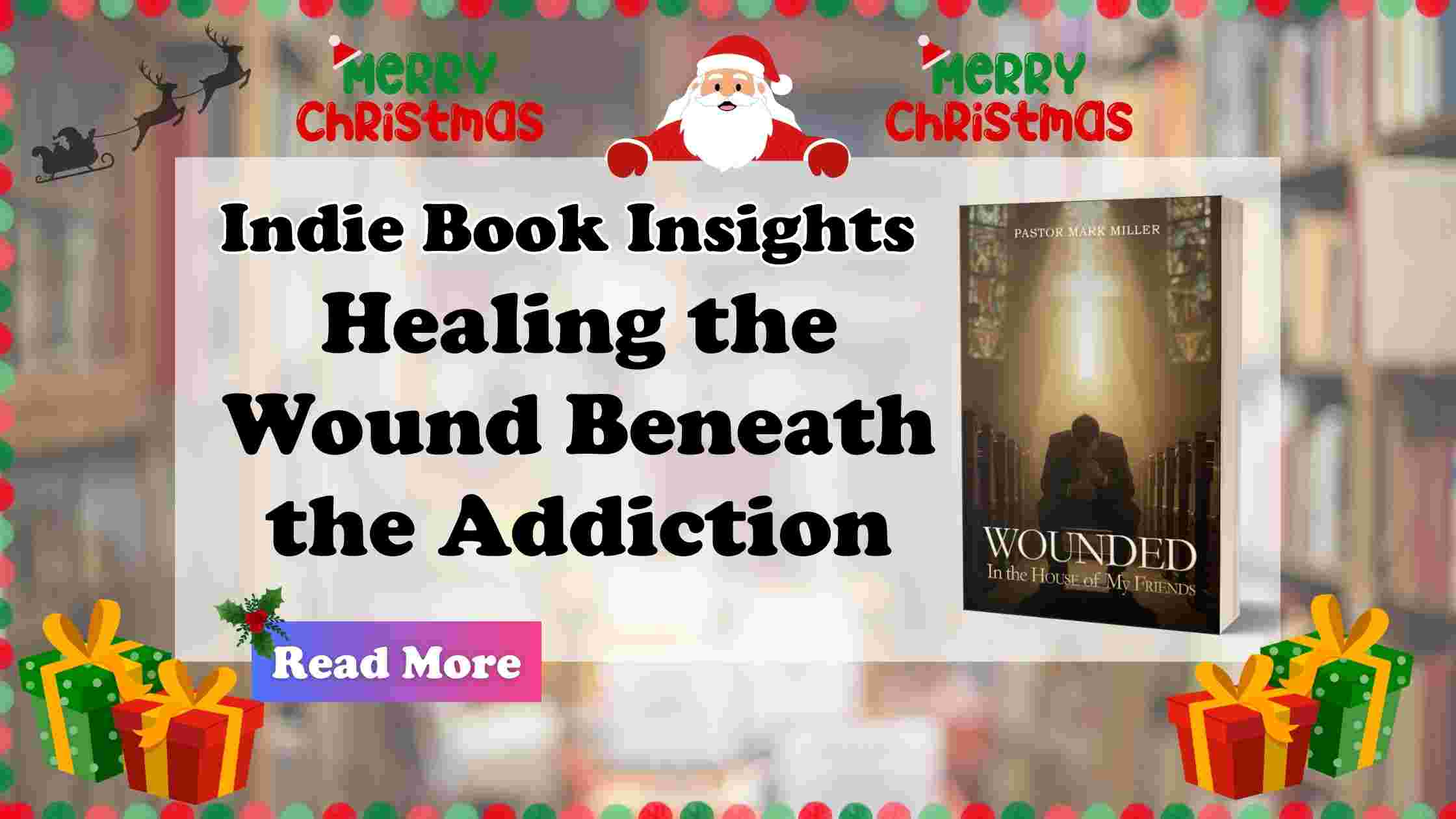
Addiction rarely begins with a substance. It starts with a wound. Behind every bottle, pill, needle, or reckless choice is a story, often a story of pain buried so deeply that numbing feels easier than healing. Many people battling addiction believe the substance is the problem, but the truth is far more complex. The real battle lies beneath the surface, where trauma, abandonment, fear, and spiritual oppression have taken root.
Pastor Mark Miller’s book, Wounded in the House of My Friends, reveals this hidden reality through powerful and heartbreaking testimonies. He shows how addiction is often a symptom of an earlier injury, one inflicted by abuse, betrayal, family dysfunction, or spiritual darkness. Healing, therefore, requires more than discipline. It requires addressing the wound at its source.
- Addiction Grows Where Trauma Lives
Long before destructive patterns form, emotional and spiritual trauma create cracks in the foundation of a person’s identity. In the book, one young man’s addiction began when his own father introduced him to alcohol and drugs at just eleven years old. This trauma opened the door to deeper spiritual battles that continued into adulthood.
Stories like his remind us that addiction is rarely a random occurrence. Trauma creates internal pain so intense that the mind seeks escape. Substances provide temporary relief but deepen the wound, creating a cycle that becomes spiritually suffocating.
- Destructive Choices Are Often Silent Cries for Relief
When individuals fall into addiction, it is easy for families and communities to focus on outward behavior. But beneath the addiction lies an emotional plea: “Help me make the pain stop.”
Pastor Miller shares testimonies of people who used substances to cope with confusion, shame, loneliness, or unresolved childhood memories. Whether the addiction manifested through drugs, alcohol, relationships, or self-harm, the root was the same: unaddressed pain. The enemy exploits these wounds, whispering lies that strengthen spiritual bondage: “You’re worthless,” “You’ll never be free,” “God can’t help you.”
Recognizing this connection transforms how we approach healing.
- True Freedom Comes Through Jesus, Not Willpower
While treatment programs and support groups offer help, lasting freedom is spiritual at its core. Pastor Miller emphasizes that believers must address both the emotional wound and the spiritual foothold the enemy uses to torment them.
Christ-centered strategies for healing include:
- Inviting God to reveal the original wound.
- Confessing and releasing buried trauma.
- Breaking spiritual strongholds through the authority of Jesus.
- Removing toxic influences and relationships.
- Establishing a godly community and accountability.
- Replacing lies with biblical truth.
When individuals confront addiction with the weapons of spiritual warfare, healing becomes possible. In one testimony, a young man battling tormenting voices found peace only after learning to rebuke demonic influence in the name of Jesus. His struggle was not just psychological; it was spiritual.
- Healing Happens in Layers, Not Moments
Addiction recovery is not linear. It is a process of peeling back layers of pain, memory, and spiritual oppression. Jesus heals the heart piece by piece, restoring identity, breaking generational cycles, and rebuilding a person’s sense of worth.
For families, pastors, and counselors, patience and compassion are essential. Healing cannot be forced, but it can be nurtured through love and truth.
Addiction is not simply a battle of the flesh. It is a battle for the soul. Healing must extend beyond behavioral change. It must reach the wound beneath the addiction.
To better understand how trauma, spiritual warfare, and emotional pain intersect, consider reading Wounded in the House of My Friends by Pastor Mark Miller. It offers powerful insight and Christ-centered hope for anyone seeking freedom or helping others find it.