


The provision of healthcare in correctional facilities is a critical yet often overlooked aspect of the criminal justice system. Behind bars, incarcerated individuals face a myriad of health challenges, ranging from chronic conditions to mental illness.
This blog will help you understand these challenges, which require innovative solutions and a commitment to ensuring access to quality care for all.
Navigating Healthcare in Correctional Facilities:
Healthcare in correctional facilities presents a unique set of challenges due to the confined nature of the environment and the diverse medical needs of the incarcerated population. In many cases, individuals entering the prison system have pre-existing health conditions that require ongoing care, while others may develop new medical issues during their time behind bars.
Providing adequate healthcare in this setting requires careful coordination and collaboration between correctional staff, healthcare providers, and outside agencies.
Challenges in Providing Healthcare to Incarcerated Individuals:
One of the primary challenges in delivering healthcare to incarcerated individuals is the limited access to medical resources within correctional facilities. Prisons and jails often have restricted budgets and may struggle to recruit and retain qualified medical staff. Additionally, the stigma associated with incarceration can lead to substandard care or neglect of inmates’ health needs.
Furthermore, the brief nature of the prison population poses challenges to continuity of care. Individuals may enter and exit the system frequently, making it difficult to manage chronic conditions or provide follow-up care.
Improving Healthcare Access in Prisons:
Despite these challenges, there are innovative solutions emerging to improve healthcare access in correctional facilities. Telemedicine, for example, allows inmates to consult with medical professionals remotely, reducing the need for in-person visits and minimizing disruptions to care.
Mobile medical units are another effective strategy for reaching underserved populations within prisons and jails, providing on-site screenings, vaccinations, and preventive care services. Additionally, peer-led health education programs empower inmates to take control of their own health and well-being. By training select individuals within the prison population to serve as health advocates and educators, these programs foster a culture of health awareness and self-care among inmates.
Strategies for Effective Healthcare in Correctional Settings:
To ensure quality and equity in healthcare delivery behind bars, it is essential to address systemic barriers and biases that may impact access to care. This includes implementing culturally competent practices, addressing social determinants of health, and promoting health equity within correctional systems.
Collaboration between correctional facilities, healthcare providers, and community organizations is also crucial for addressing the complex health needs of incarcerated individuals. By fostering partnerships and sharing resources, stakeholders can work together to develop comprehensive healthcare programs that prioritize the health and well-being of all inmates.
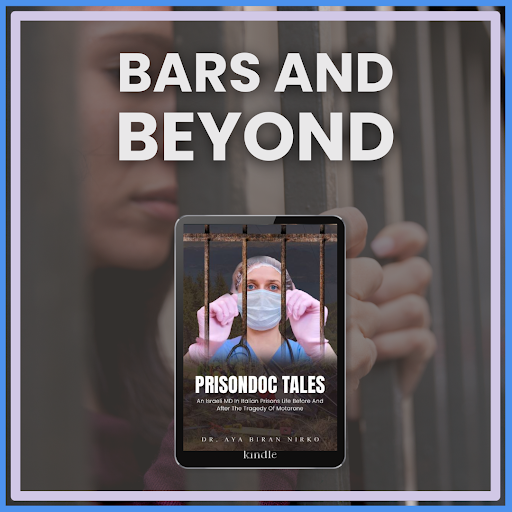
Providing healthcare in correctional facilities presents significant challenges, but innovative solutions and collaborative approaches offer hope for improving access and quality of care. If you are looking for such a thought-provoking narrative, you are at the right place. ‘Prisondoc Tales,‘ by Dr. Aya Biran Nirko is a groundbreaking narrative that weaves together the elements of irony, sarcasm, and humor while maintaining an awareness that each tale lies the reality of genuine inmates and correctional institutes.
The author’s unique writing style captures the essence of her experiences, which provides readers with a vivid and authentic portrayal of life behind bars. The story takes an unexpected turn as it recounts the life-changing events of May 23, 2021. On that fateful day, a cable car accident on the mountain of Motarone in Northern Italy claimed the lives of 14 passengers, including the author’s brother Amit, sister-in-law Tal, and two-year-old nephew Tomi.
‘Prisondoc Tales,’ by Dr. Aya Biran Nirko is more than just a narrative; it is a testament to resilience, strength, and the unpredictable nature of life. It’s time to cope with life’s challenges and harness the magic of personal narratives. Don’t miss the chance to pre-order your copy from Amazon today!