

Mistakes are a natural part of childhood. Children learn to walk by falling, learn to speak by trying unfamiliar words, and learn to solve problems by testing different ideas. These experiences may sometimes feel frustrating, but they play an important role in helping children grow into thoughtful and confident individuals.
When a child makes a mistake, the result often becomes easier to remember than a simple instruction. A child who runs too quickly and drops a toy may begin to understand the importance of slowing down. A child who ignores directions and becomes confused may learn why listening matters. The lesson becomes connected to a real experience, which can make it more meaningful.
Mistakes also help children understand consequences. Every choice brings a result, whether positive or negative. When children see how their actions affect themselves or others, they begin to develop better judgement. This process takes time. Young children do not always understand danger, responsibility, or the feelings of others immediately. They often need patient guidance and repeated opportunities to learn.
Adults play an important role in shaping how children respond to mistakes. Harsh criticism can make a child afraid to try again. Calm support, however, can help the child reflect on what happened and consider a better choice. Questions such as “What happened?” or “What could you do differently next time?” encourage children to think without making them feel ashamed.
Learning from mistakes also builds resilience. A child who understands that one poor decision does not define them is more likely to recover and keep trying. They begin to see that improvement is possible. This helps them face future challenges with greater patience and confidence.
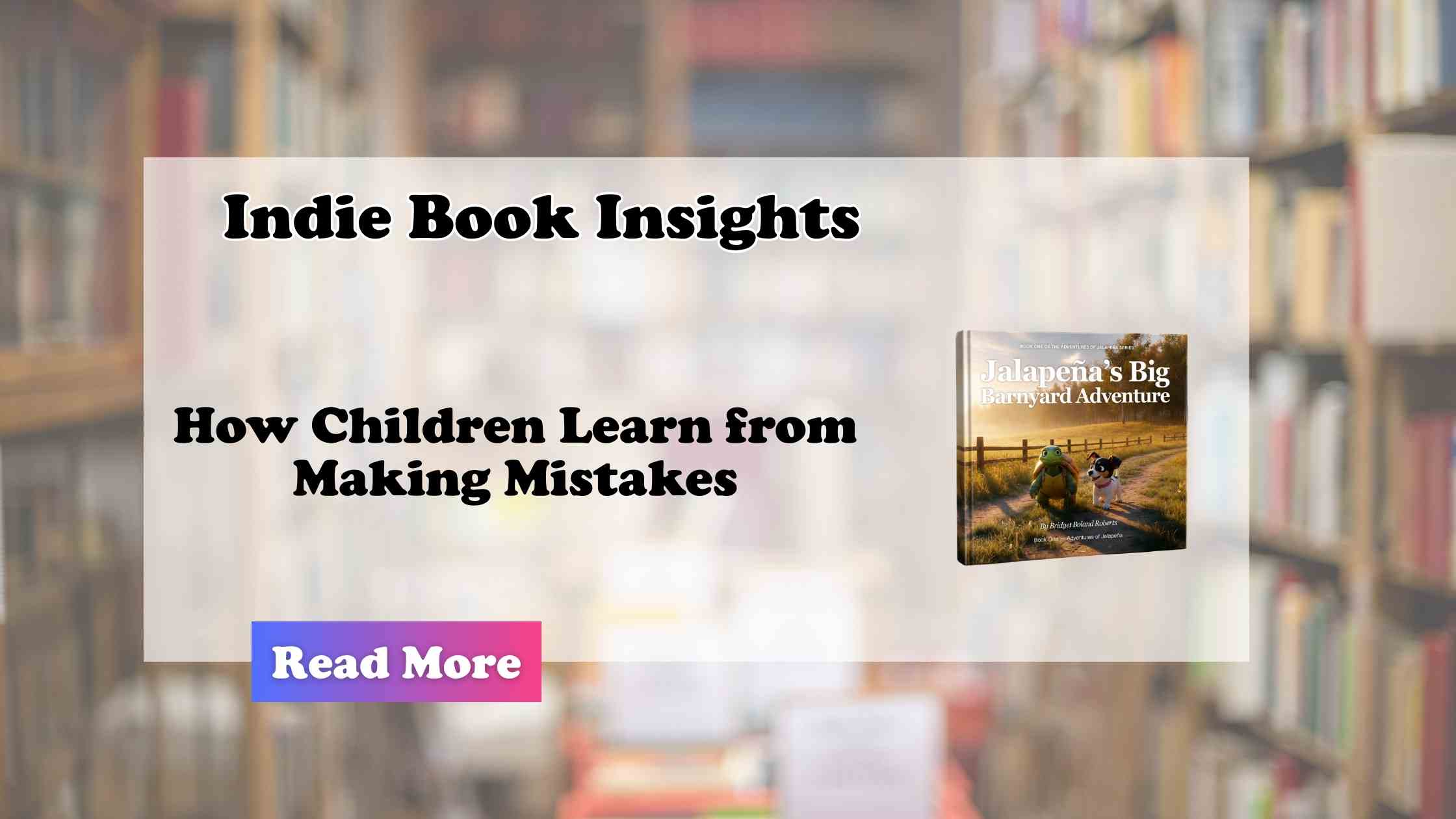
In Jalapeña’s Big Barnyard Adventure by Bridget Boland Roberts, Jalapeña learns an important lesson after following her curiosity beyond the safety of the barnyard. She is warned that the world outside the gate can be difficult, but excitement leads her to ignore that advice. At first, everything feels new and enjoyable. Before long, she faces danger, bad weather, fear, and the distress of being lost.
Jalapeña’s mistake does not make her a bad character. It makes her relatable. Like many children, she acts before fully considering what might happen. Her journey allows young readers to see the consequences of impulsive choices without losing sympathy for her.
With the help of Gandalf, a wise tortoise, Jalapeña begins to slow down, think carefully, and find her way home. She learns that patience and listening are not signs of weakness. They are skills that can keep her safe.
Jalapeña’s Big Barnyard Adventure offers families a warm and engaging way to discuss mistakes, responsibility, and second chances. It reminds children that poor choices can become valuable lessons when they are met with honesty, guidance, and the courage to do better next time.