

Organised crime does not always operate in dark alleys or hidden warehouses. Some criminal networks function through businesses that appear ordinary, respectable, and useful to the communities around them. Fishing companies, banks, restaurants, transport firms, construction companies, and retail shops can provide effective cover for illegal activity because they handle money, goods, employees, and regular deliveries.
A legitimate business gives criminals something valuable: an explanation. A fishing vessel can travel beyond the coast without attracting concern. A refrigerated van can move sealed containers between ports and markets. A bank can transfer large sums across borders. A company can report income that appears to come from customers, even when part of that money comes from drugs, theft, or extortion.
Cash based businesses are especially useful for money laundering. Criminal proceeds can be mixed with genuine sales and recorded as business income. Once the money enters company accounts, it becomes harder to separate legal earnings from illegal funds. False invoices, inflated expenses, invented suppliers, and overseas accounts can further confuse investigators.
Transport businesses also provide practical advantages. Trucks, ships, and delivery vehicles move constantly, making unusual journeys less noticeable. Illegal goods may be hidden beneath ordinary cargo or placed inside containers that appear harmless. Workers may be involved willingly, threatened into cooperating, or kept unaware of what they are carrying.
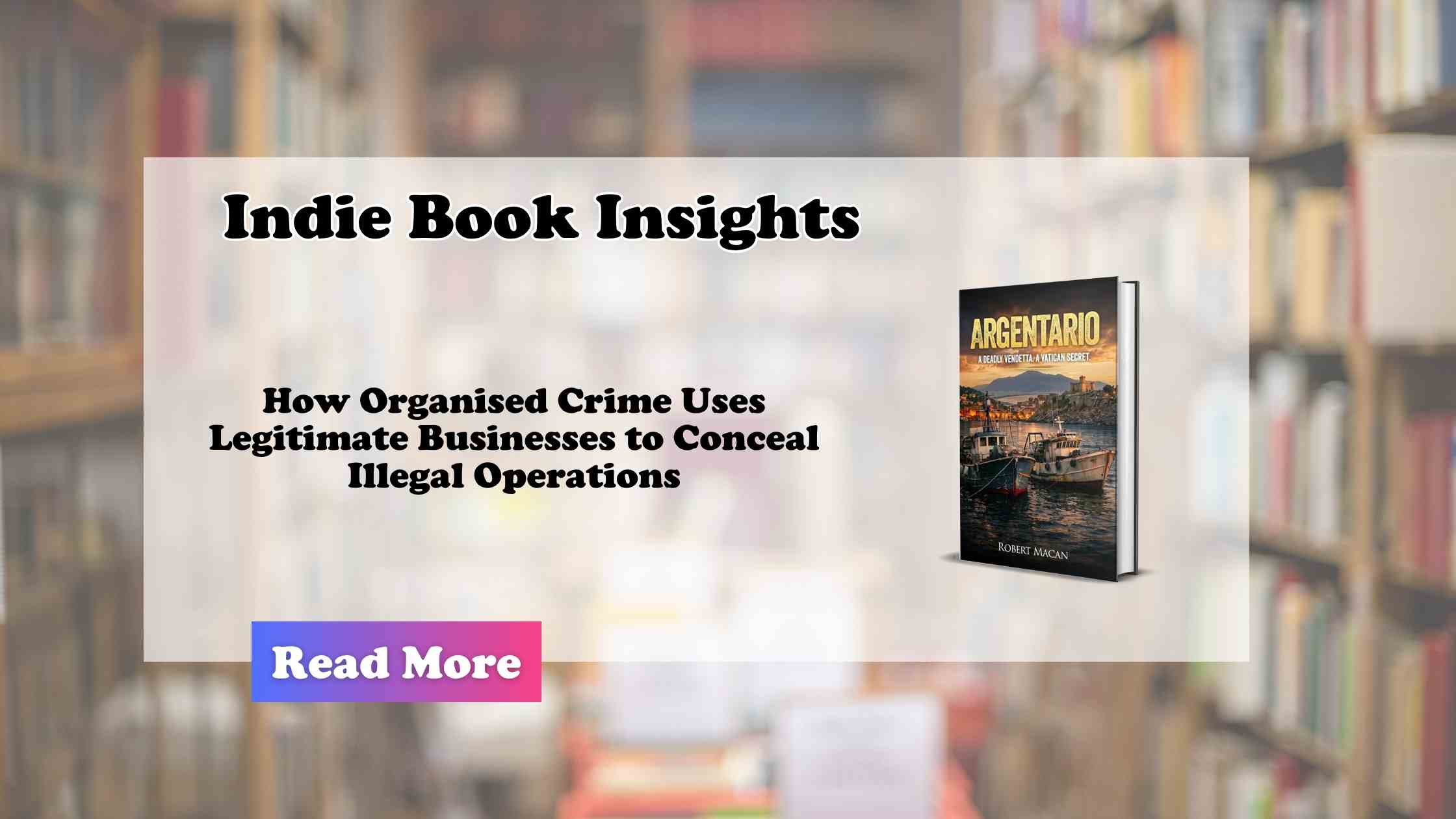
This method of concealment is central to Robert Macan’s crime novel, Argentario. Set largely around the Tuscan coast, the story shows how fishing operations can become connected to drug trafficking, corruption, hidden wealth, and powerful criminal interests. Boats that support local families and supply regional markets can also be used to move narcotics without immediately raising suspicion.
The novel follows Scipio Zampa, an Anti Mafia investigator whose professional responsibilities become entangled with his family’s history. His brother’s arrest and disappearance force him to examine the fishing business connected to his relatives. What appears to be a local criminal case soon leads towards a wider network involving financial institutions, law enforcement, organised crime, and secrets reaching back decades.
The danger of legitimate businesses is not the business itself, but the trust surrounding it. People become familiar with local owners, regular workers, and established routines. That familiarity can discourage questions. Criminal groups depend on this silence, whether it comes from loyalty, fear, financial need, or the belief that certain matters should remain private.
Argentario presents this hidden structure through a story of family conflict, lost evidence, political influence, and personal revenge. The novel shows that criminal power often survives because it does not remain outside society. It enters ordinary institutions, builds relationships, creates dependence, and hides behind work that appears completely lawful.
Readers interested in historical crime, financial corruption, Mafia influence, and family secrets will find Argentario a tense exploration of how respectable businesses can become shields for dangerous operations.
Discover this book now, available on Amazon: https://www.amazon.com/dp/B0H8MHBQV9