
In today’s fast-moving, emotionally charged world, young people need emotional intelligence to succeed. But teaching empathy, self-awareness, and impulse control can be challenging, especially when traditional tools fall short.
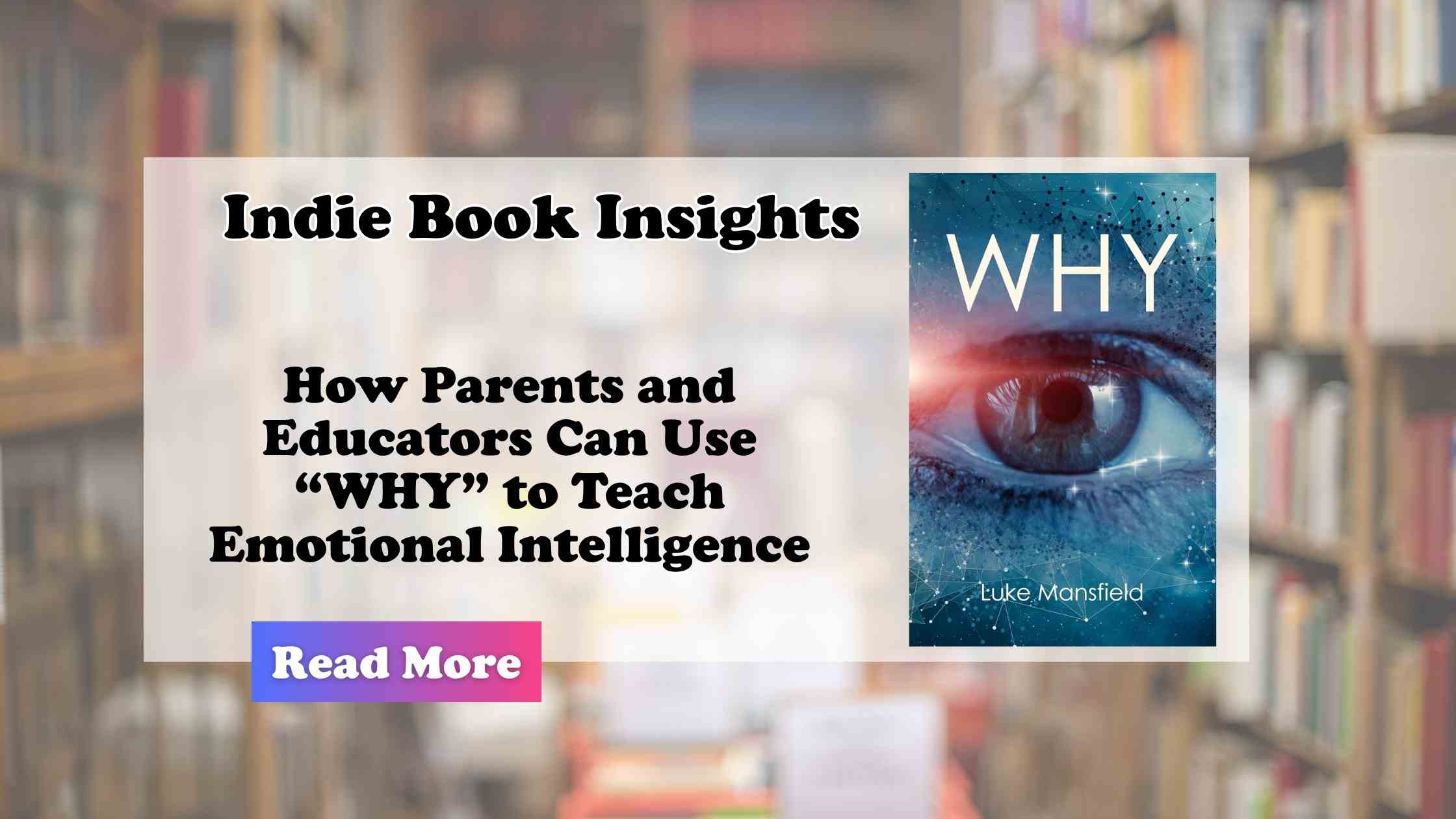
That’s where WHY: Explanation, guide and reference to basic human motivations by Luke Mansfield becomes a valuable resource.
Emotional intelligence starts with understanding motivation. Why do kids lash out when they feel misunderstood? Why do teens rebel, isolate, or overreact? Why do even high-achieving students struggle with confidence? Luke Mansfield answers these questions by going deeper than surface behavior. He helps readers explore the instinctive drives behind human actions—what he calls “Y” behavior.
At its heart, The Y Guide is about helping people reflect on why they think, feel, and act the way they do. It breaks down complex behavior into understandable, relatable motivations like the need for safety, approval, control, and connection. These are the building blocks of emotional growth. And for educators and parents, that makes this book a teaching tool with real-world impact.
Unlike many books on child psychology, WHY avoids jargon. Instead, it presents its ideas in clear, everyday language. That makes it easy to integrate into discussions at home or in the classroom. For example, when a student acts out, instead of punishing the behavior, educators can help them explore the “why” behind it. Are they feeling unsafe? Left out? Overwhelmed? The book offers a framework to guide those conversations.
Parents can also use WHY to connect with their children on a deeper level. It provides language to talk about feelings in a way that feels natural and non-threatening. For instance, instead of saying, “Why are you being so dramatic?” a parent might ask, “What do you think made you feel like that?” or “Do you think your reaction is about feeling left out?”
In school settings, WHY can serve as a supplement to social-emotional learning (SEL) curricula. Its ideas align well with current education goals of teaching empathy, resilience, and responsible decision-making. Teachers can use excerpts or reflections from the book to spark group discussions, journaling exercises, or even roleplay. Students understand themselves better and begin to understand their peers, reducing conflict and building community.
Moreover, Mansfield’s approach doesn’t label kids as “good” or “bad.” He emphasizes that human behavior is natural and always explainable. This perspective promotes compassion over judgment, which is essential in both parenting and teaching. It helps adults respond with patience and clarity instead of frustration.
Another key benefit is that WHY teaches adults as much as it teaches youth. Many parents and teachers haven’t had the opportunity to explore their own motivations or emotional triggers. Reading the book often sparks personal growth, helping adults model the emotional intelligence they want their kids to develop.
In short, WHY, whether you’re helping a child through anxiety, a teen through peer pressure, or a student through conflict, this book equips you with insights and tools that can change lives.
By teaching young people to reflect on their “why,” we’re not just raising smarter kids. We’re raising kinder, more self-aware, emotionally resilient human beings. And in today’s world, that might be the most important lesson of all.
Order your copy from Amazon: https://www.amazon.com/dp/B0F33WJRRC/.