


The human brain is capable of endless growth and transformation.
The secret to it is neuroplasticity (the brain’s ability to reorganize itself by forming new neural connections).
Researchers have become interested in psychedelics, also known as psychoplastogens, because they have the potential to enhance this natural process, which presents a promising path toward therapeutic and personal transformation.
Psychedelics work by activating serotonin 5HT2A receptors in the brain. One of their most intriguing features is their capacity to promote neuroplasticity, which is to enable the brain to rewire itself in ways that facilitate healing and growth. This allows the brain to process information differently, break free from entrenched patterns, and create healthier pathways for thought and behavior.
For individuals struggling with mental health conditions such as depression, PTSD, addiction, or anxiety, neuroplasticity in psychedelics like psilocybin, LSD, and DMT, as well as substances like ketamine, have been shown to increase the expression of brain-derived neurotrophic factor (BDNF)—a protein crucial for neuronal growth and survival.
Ketamine, for example, has demonstrated rapid antidepressant effects, especially in individuals resistant to traditional treatments. By promoting neural connectivity in the prefrontal cortex, it helps regulate mood and emotion. Similarly, psilocybin and other psychedelics facilitate neural rewiring to help our brain adopt new perspectives and behavioral patterns.
Psychedelics create a brief “fertile window” for change. During this time, the brain becomes more malleable, much like freshly tilled soil ready for planting. With proper guidance and intention, individuals can “sow seeds” of positive habits, thoughts, and behaviors that have the potential to improve their lives. However, it all comes down to how it is utilized. Without conscious effort or supportive practices like therapy, mindfulness, or journaling, the effects of neuroplasticity may be less impactful or even can be counterproductive.
It’s worth noting that the rewiring effects of psychedelics don’t always require the full psychedelic experience. For example, emerging research on newly synthesized molecules shows that some compounds can trigger neuroplasticity without inducing altered states of consciousness. This can help treat individuals who may be wary of traditional psychedelics but could still benefit from their therapeutic effects.
The benefits also allow individuals to learn new skills, adopt different perspectives, and break free from harmful cycles of thought. However, it’s also important to acknowledge the risks associated with it. Just as positive habits can take root during this malleable state, so too can negative patterns if the environment or intention isn’t carefully cultivated.
In some cases, psychedelics have been used as tools for manipulation or indoctrination, such as in cults or unethical experiments. Therefore, it is critical to approach this topic with caution and consider the need for responsible use, informed guidance, and supportive frameworks to ensure that the direction of change is consistent with personal growth and well-being.
Psychedelics’ ability to promote neuroplasticity can be used to promote the brain’s resilience and potential. By fostering new connections and allowing individuals to see the world—and themselves—through a new lens, these substances can offer a glimpse into what is possible when the brain’s natural adaptability is amplified.
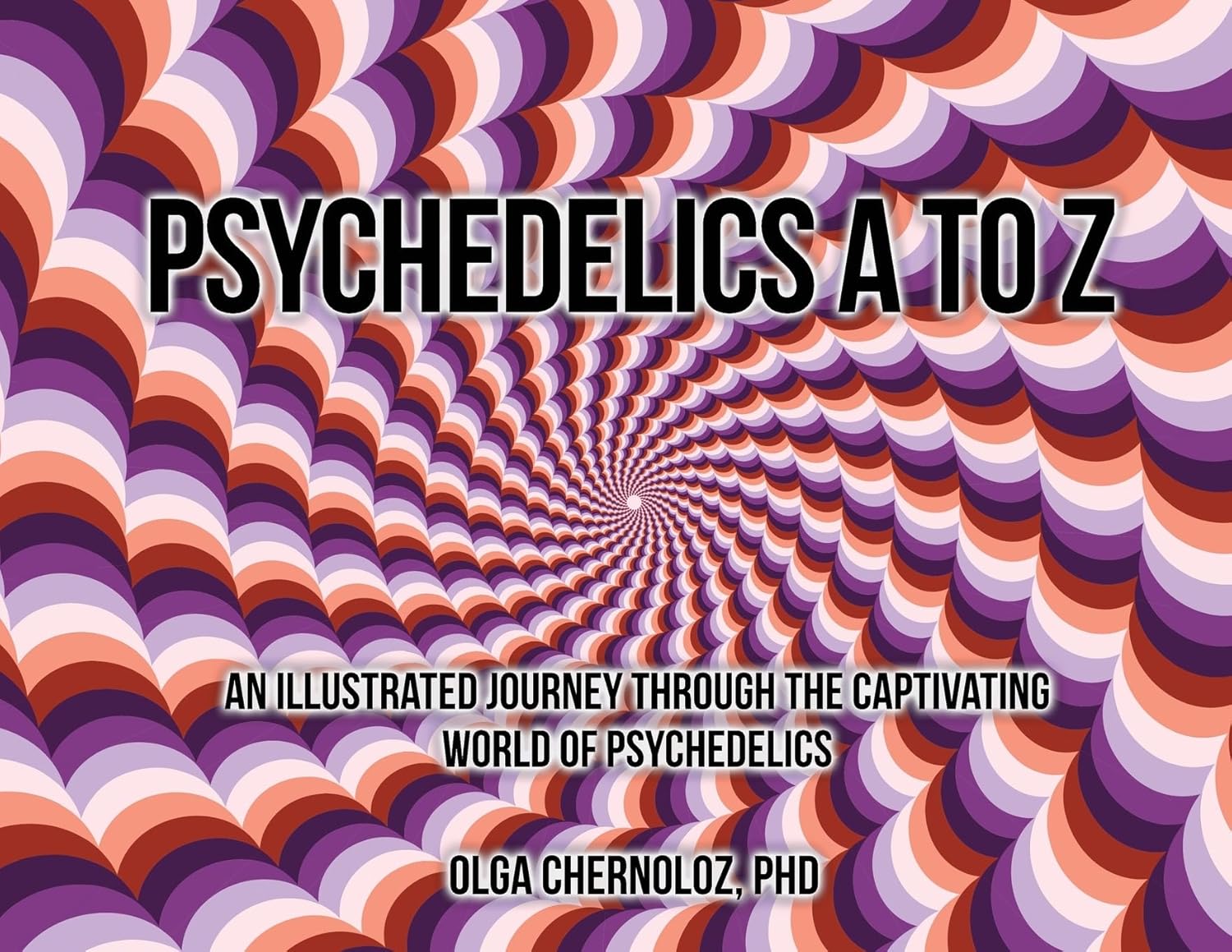
For more information on this subject and its many aspects, we recommend reading Olga Chernoloz’s “Psychedelics A to Z: An Illustrated Journey Through the Captivating World of Psychedelics.”
As a Neuroscientist, Dr. Olga Chernoloz invites you to explore the vibrant spectrum of mind-altering substances, their ancient cultural roots, groundbreaking therapeutic potential, and the profound aspects of psychedelics. From Ayahuasca’s ancestral wisdom to Silicon Valley igniting the microdosing boom, this book explores the science, history, and culture of psychedelia.
Richly illustrated and brimming with insight, this alphabetic guide will ignite your curiosity and challenge your perceptions to see the world in new dimensions. Whether you’re a seasoned psychonaut or a curious reader totally new to this subject, “Psychedelics A to Z” offers a balanced perspective on how these tools can be used for healing, creativity, and spiritual growth.
Order your copy from Amazon: https://www.amazon.com/dp/B0DR35KFS8/