
As industries continue to embrace automation and advanced technologies, the role of safeguarding employee health is more crucial than ever. The integration of intelligent systems into the workplace has the potential to revolutionize how work is done—enhancing productivity, reducing risk, and improving outcomes. However, these advancements also introduce new, unseen risks to the workforce. Protecting employees in this new era requires more than traditional safety measures it demands a forward-thinking approach that combines industrial hygiene principles with the evolving landscape of automation.
Industrial hygiene has long been the cornerstone of workplace safety, focusing on mitigating risks from chemical, physical, and ergonomic hazards. But as technology rapidly evolves, so too must the frameworks we use to protect workers. The introduction of automated systems, robotics, and real-time decision-making tools presents new challenges that go beyond physical exposure. These innovations introduce risks that affect employees on cognitive, emotional, and social levels, areas that industrial hygiene has traditionally not addressed.
For instance, while robots and automated systems reduce the need for physical labor in dangerous environments, they can also lead to mental and psychological strain. Workers interacting with intelligent systems might experience cognitive overload, stress from constant surveillance, and emotional fatigue from collaboration with machines that lack empathy. These new forms of exposure require a fresh perspective, one that integrates traditional safety protocols with a comprehensive approach to psychological and emotional well-being.
Adapting industrial hygiene to address these emerging risks means incorporating new tools and methods to assess and manage the impact of automation on worker health. It is no longer enough to monitor only the physical environment. Employers must now consider how exposure to high-stress, machine-driven workflows affects employees’ mental health. By using both traditional methods, such as ergonomic assessments, and new techniques, such as biometric monitoring and employee feedback, businesses can get a fuller picture of how automation impacts the workforce.
One of the key strategies for managing these risks is integrating worker feedback into the design and implementation of new technologies. By including employees in the conversation about automation, businesses can ensure that their needs and concerns are addressed, reducing anxiety and increasing trust in the systems. This collaboration also allows for the development of solutions that mitigate stress, such as more intuitive interfaces, better ergonomics, and systems that enhance rather than replace human decision-making.
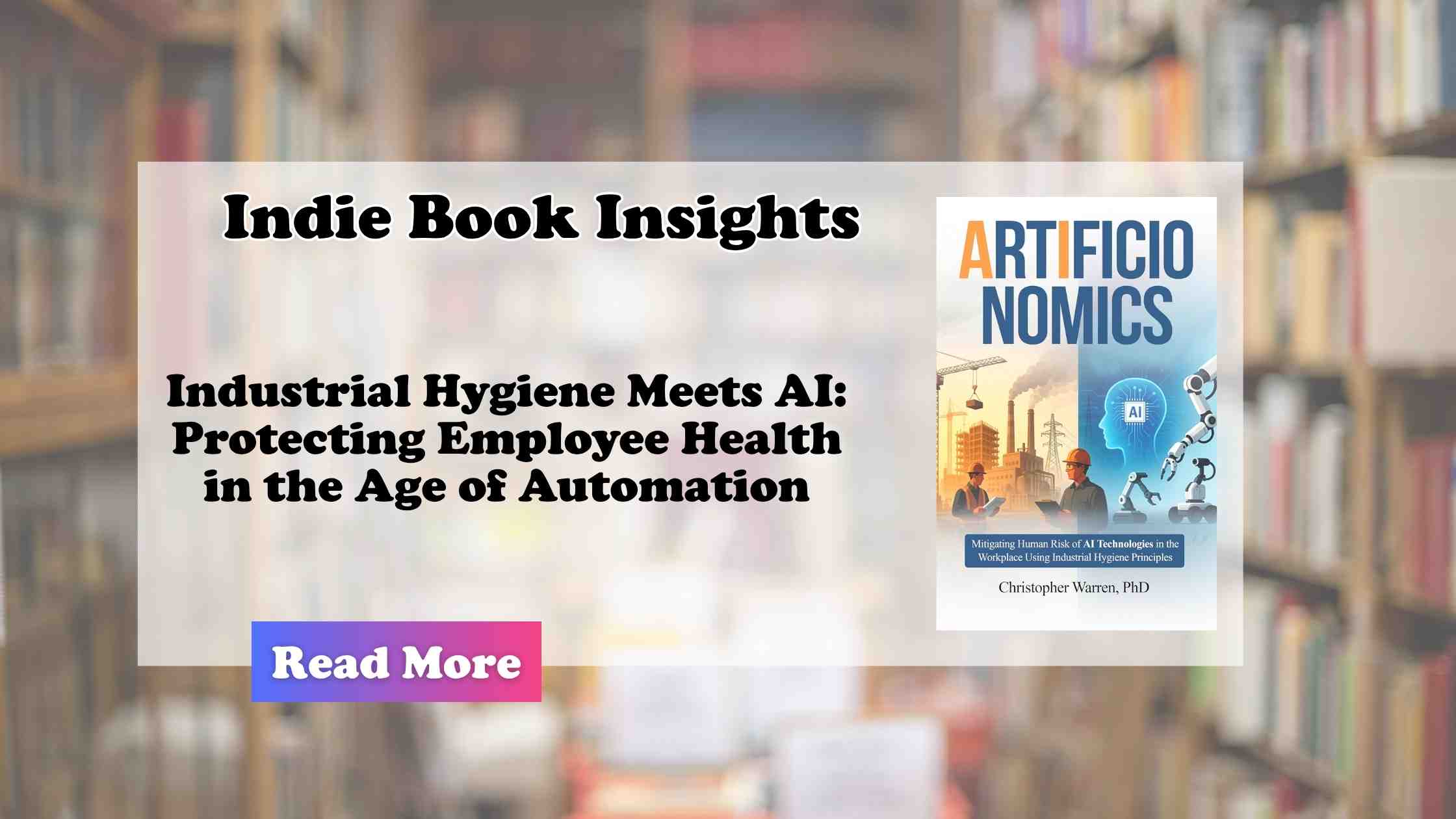
In “Mitigating Human Risk of AI Technologies in the Workplace,” Dr. Christopher Warren explores how industrial hygiene can be adapted to protect workers in the age of automation. The book offers practical insights for identifying, evaluating, and controlling both physical and psychological risks in workplaces increasingly influenced by intelligent systems. It provides a roadmap for businesses looking to create safe, healthy environments where employees can thrive alongside the technologies that drive innovation.
By taking a proactive approach to integrating industrial hygiene with automation, businesses can protect employee health while unlocking the full potential of technological advancements. This balanced approach ensures that the benefits of automation are realized without compromising the well-being of the workforce.
Get your copy now. https://www.amazon.com/dp/B0GFY4RL6B