
THE WORLD EXISTS BEYOND OUR EVERYDAY CONCERNS
We spend much of our lives focused on personal ambitions, daily responsibilities, and the challenges immediately in front of us. Yet beyond these concerns, nature continues its familiar rhythms. Seasons change, rivers flow, trees grow, and living creatures follow cycles that existed long before us.
This contrast raises an important question: Are we truly appreciating the world we inhabit, or have we become so focused on our own lives that we overlook our responsibility toward it?
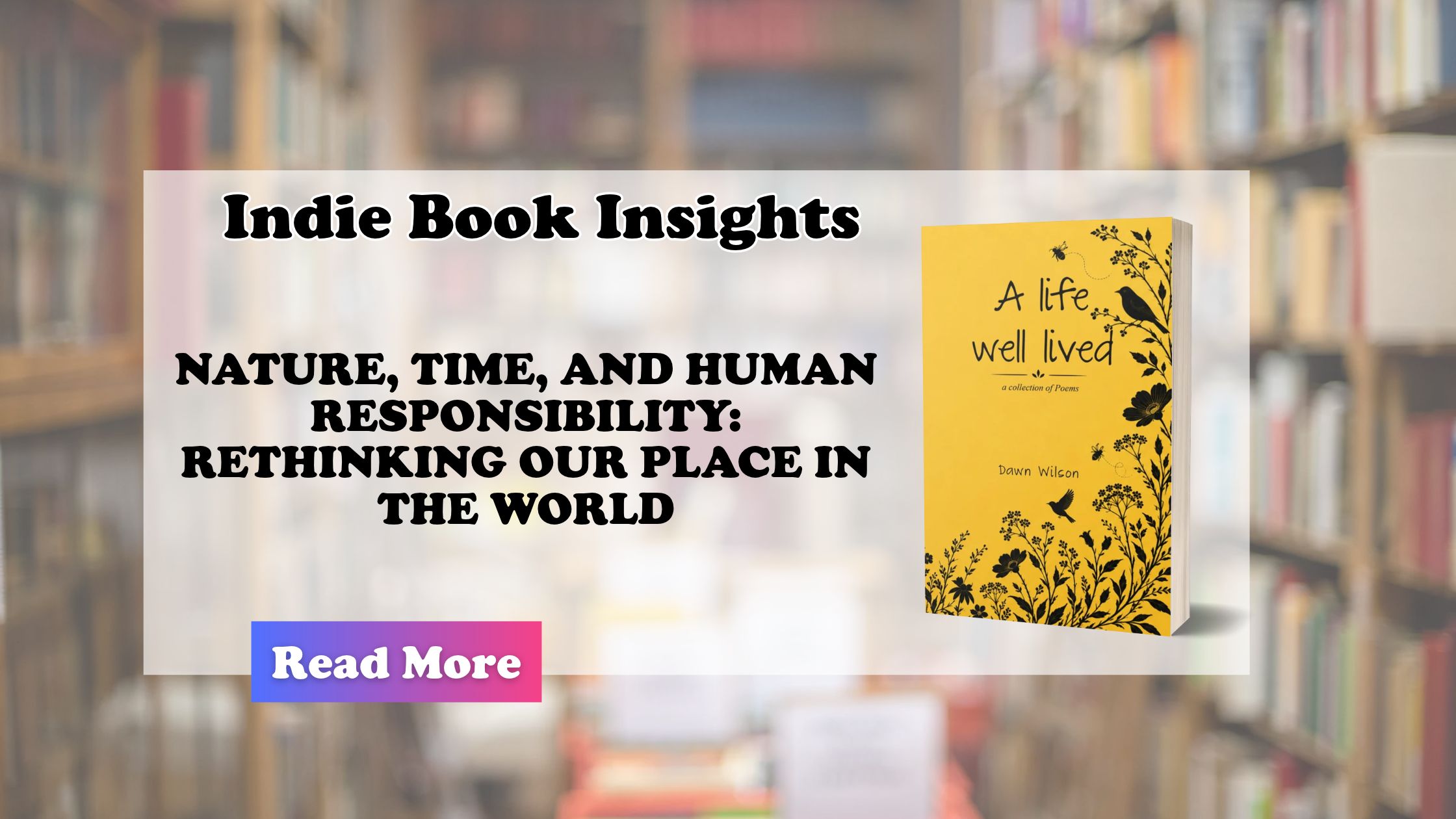
In A Life Well Lived, reflections on landscapes, wildlife, and the passage of time encourage readers to reconsider humanity’s relationship with the natural world.
NATURE REMINDS US THAT TIME IS GREATER THAN OURSELVES
Human lives are measured in decades, but the natural world follows a much longer timeline.
In the poem “The Tree,” Dawn Wilson describes an ancient oak that has stood for a thousand years, witnessing generations of people, changing seasons, and countless living creatures before finally falling.
The image offers a perspective on human existence. Our individual experiences may feel enormous, but they form only a small part of a much longer story.
Similarly, “The Raindrop” follows water as it rises, forms clouds, falls upon the landscape, and eventually returns to the sea.
These natural cycles invite us to recognize that life continues through constant movement and change.
THE RESPONSIBILITY THAT COMES WITH SHARING OUR PLANET
Appreciating nature is one thing. Recognizing our responsibility toward it requires something more.
In A Life Well Lived, poems such as “The Humble Bee” and “Water” draw attention to the natural resources and living systems people depend upon.
The humble bee becomes a reminder of nature’s interconnected relationships, while concerns about wasting clean water raise questions about everyday habits and responsible consumption.
These reflections challenge a familiar contradiction: we recognize the importance of the environment, yet often behave as though its resources are unlimited.
Responsibility begins with questioning ordinary choices. How much do we waste? What do we take for granted? What could we preserve for those who come after us?
OWNERSHIP, POWER, AND THE ILLUSION OF CONTROL
Human beings frequently measure success through possessions, influence, and control. However, ownership becomes a more complicated idea when viewed against the permanence of the land itself.
Dawn Wilson explores this tension in “This Land Is Mine, Mine, MINE,” questioning the arrogance of those who believe ownership gives them unlimited authority over the countryside.
The land remains while individual owners come and go.
This perspective encourages a different understanding of stewardship. Possessing something does not remove the responsibility to respect it.
LEARNING TO LIVE WITH GREATER AWARENESS
Rethinking our place in the world does not require abandoning ambition or everyday responsibilities. It requires recognizing that our choices affect more than our immediate circumstances.
The passing seasons remind us that time is limited. The natural world reminds us that life is interconnected. Environmental concerns remind us that convenience can carry consequences.
Together, these reflections suggest a more thoughtful way of living: appreciate what surrounds us, question unnecessary waste, and consider what our actions leave behind.
We may never control the passage of time or the forces of nature, but we can choose how responsibly we live within them. Perhaps that is where genuine respect for life begins.