


People who have experienced trauma suffer long-term consequences to their physical, mental, and emotional health. A considerate and all-encompassing approach to care is necessary to traverse the challenging terrain of trauma. We’ll discuss the idea of trauma-informed care and how it can change the course of healing in this blog.

Understanding Trauma
There are numerous ways that trauma manifests. Among these include being abused or neglected as a child, as well as witnessing acts of violence or natural disasters. Its consequences can permeate every part of a person’s life, causing symptoms including despair, anxiety, and PTSD (post-traumatic stress disorder) symptoms. A thorough comprehension of the underlying causes and manifestations of trauma is crucial for providing effective and efficient assistance and intervention.
What is Trauma-Informed Care?
Offering treatments with a significant emphasis on comprehending, identifying, and responding to the impacts of trauma is known as trauma-informed care. It recognizes that trauma frequently occurs in people’s lives and aims to offer a secure, trustworthy, and empowered setting. The objective of trauma-informed care is to treat specific traumatic incidents while also comprehending the broader effects of trauma on an individual’s overall health.
Key Principles of Trauma-Informed Care
Safety: Creating physical and emotional safety is paramount in trauma-informed care. This includes ensuring that individuals feel secure and supported in their environment.
Trustworthiness: Building trust is essential for individuals who have experienced trauma. Practitioners must demonstrate reliability, consistency, and transparency in their interactions.
Choice: Empowering individuals to make choices and have control over their care is fundamental to trauma-informed practice. This fosters a sense of autonomy and agency in the healing process.
Collaboration: Collaborating with individuals in their care allows for a partnership-based approach that honors their expertise and lived experiences.
Empowerment: Supporting individuals to build skills, resilience, and self-efficacy is central to trauma-informed care. This involves validating their strengths and empowering them to take an active role in their healing journey.
Transformative Impact of Trauma-Informed Care
Trauma-informed treatment has the potential to drastically alter the healing process by providing a strong and compassionate framework for support. In order to foster an environment where people feel heard, understood, and respected, trauma-informed practices place a high priority on safety, trust, and collaboration. Better treatment outcomes, increased patient participation, and a higher sense of autonomy and resilience could arise from this.
Implementing Trauma-Informed Care
It takes a commitment to coaching, organizational change, and ongoing learning to put trauma-informed treatment into practice. Professionals need to develop cultural humility, sensitivity, and compassion in addition to gaining a thorough understanding of trauma and its repercussions. Organizations must assess these components as well to ensure that their settings, policies, and practices adhere to trauma-informed principles.
Conclusion
Although navigating trauma is a complicated process, recovery may be transformative when provided with trauma-informed care. Trauma-informed therapies prioritize safety, trust, empowerment, choice, and collaboration to develop a healing path that respects each person’s unique experiences and talents. Let’s keep promoting trauma-informed treatment and its ability to make the world a more sympathetic and encouraging place for everyone.
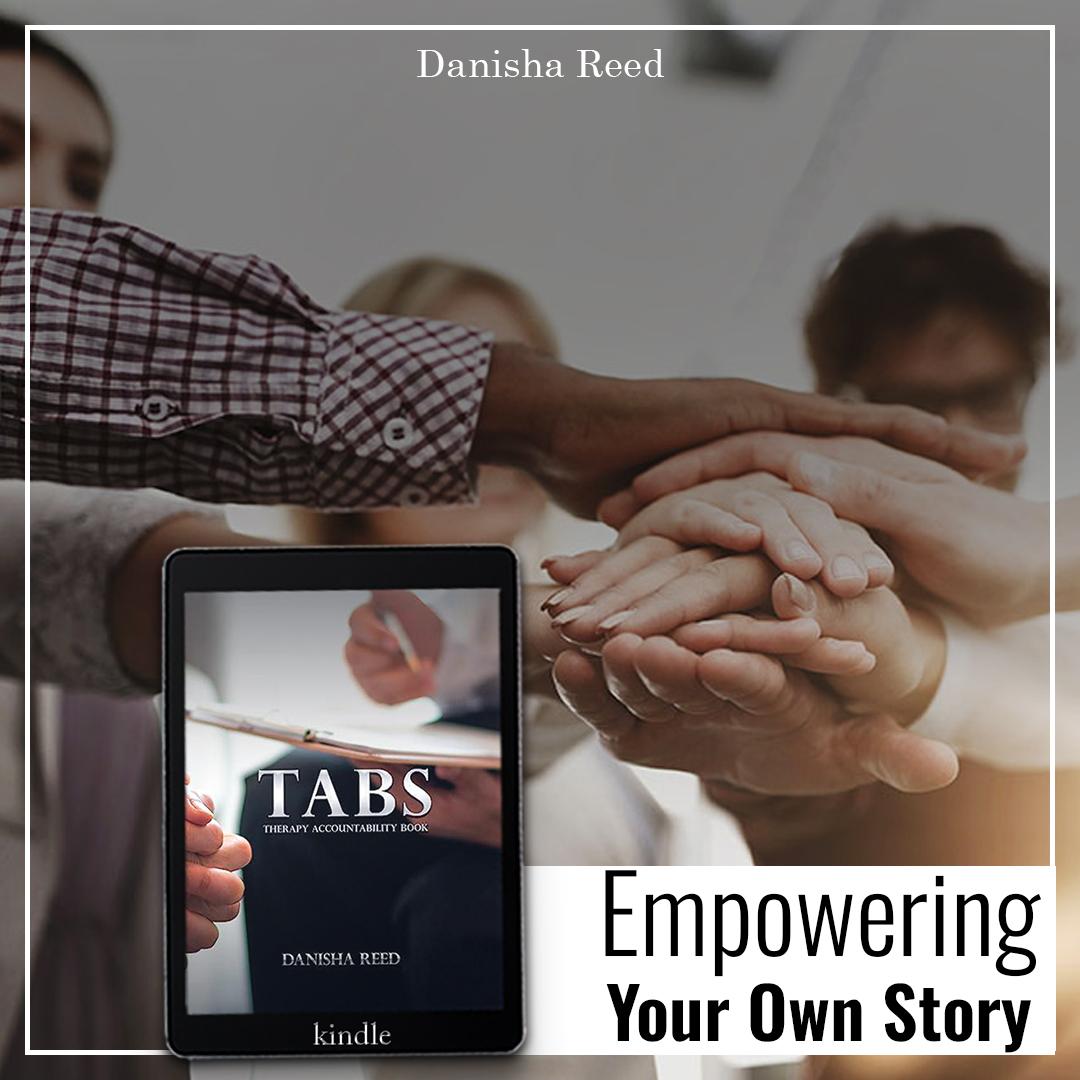
Discover the transformative power of trauma-informed care with Danisha Reed’s “TABS: Therapy Accountability Book.” This invaluable resource guides you through assessing your progress in therapy while integrating trauma-informed principles for healing. Take charge of your healing journey, cultivate resilience, and embrace accountability in your path to wellness. Let “TABS” be your companion in transforming trauma into growth and empowerment.