
Young children often move before they have time to think. They may run across a wet floor, climb something too high, rush near a moving swing, or chase a ball without noticing where it is going. Their actions are usually driven by excitement, curiosity, or energy rather than carelessness. Teaching them to pause before acting can help them become more aware of their surroundings and make safer choices.
A pause does not need to be long. Even a few seconds can give a child time to notice what is happening. They can check whether the floor is slippery, whether their shoelaces are tied, whether something is moving nearby, or whether they need help from an adult. This simple habit can prevent many common bumps, falls, and playground accidents.
Children learn this skill best through clear and repeated instructions. Long explanations can be difficult to remember, especially during exciting moments. A short phrase such as “Stop. Look. Choose.” gives them an easy process to follow. First, they stop their body. Next, they look around carefully. Finally, they choose the safest action.
Parents and carers can practise this method during everyday routines. Before crossing a road, children can stop and look for traffic. Before using the stairs, they can check their shoelaces and hold the rail. At the playground, they can wait until a swing has stopped before walking past it. These small moments allow children to practise safety without feeling frightened or restricted.
Praise is also important. When a child pauses and makes a safe choice, adults can recognise the effort by saying, “You stopped and checked first,” or, “That was a safe choice.” Positive responses help children understand what they did well and encourage them to repeat the behaviour.
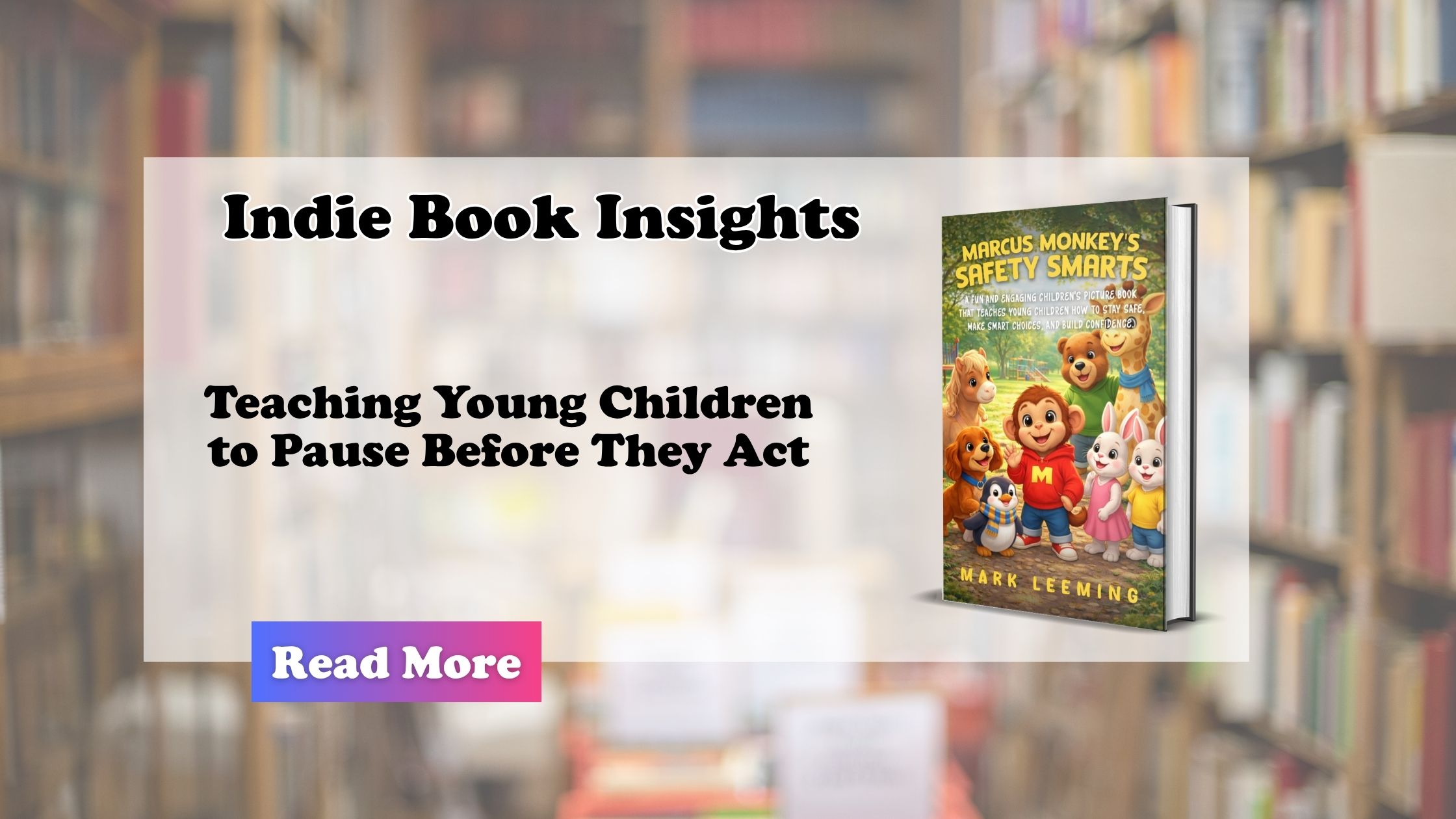
Marcus Monkey’s Safety Smarts: Stop. Look. Choose. teaches this lesson through a lively character children can understand. Marcus loves to run, climb, and jump, but sometimes he moves so quickly that he forgets to think. With support from his friends, the Safety Squad, he learns how to slow down and notice possible dangers before making a decision.
The book presents familiar situations from school, home, playgrounds, stairs, and roads. Its simple wording, visual examples, and repeated safety message make it suitable for young readers, including children with ADHD or autism who may benefit from consistent reminders and predictable steps.
The story does not ask children to stop being active. Instead, it teaches them how to enjoy movement while becoming more responsible and confident. Marcus still runs, climbs, and jumps, but now he thinks first.
Marcus Monkey’s Safety Smarts offers families and classrooms a practical way to turn safety lessons into habits children can remember and use every day.