
American healthcare often becomes most expensive at the moment a manageable problem turns into a crisis.
A missed medication dose becomes a complication. Poorly controlled blood pressure leads to an emergency. A chronic condition that could have been monitored at home escalates into hospitalization. Multiply those situations across millions of patients and the financial consequences become enormous.
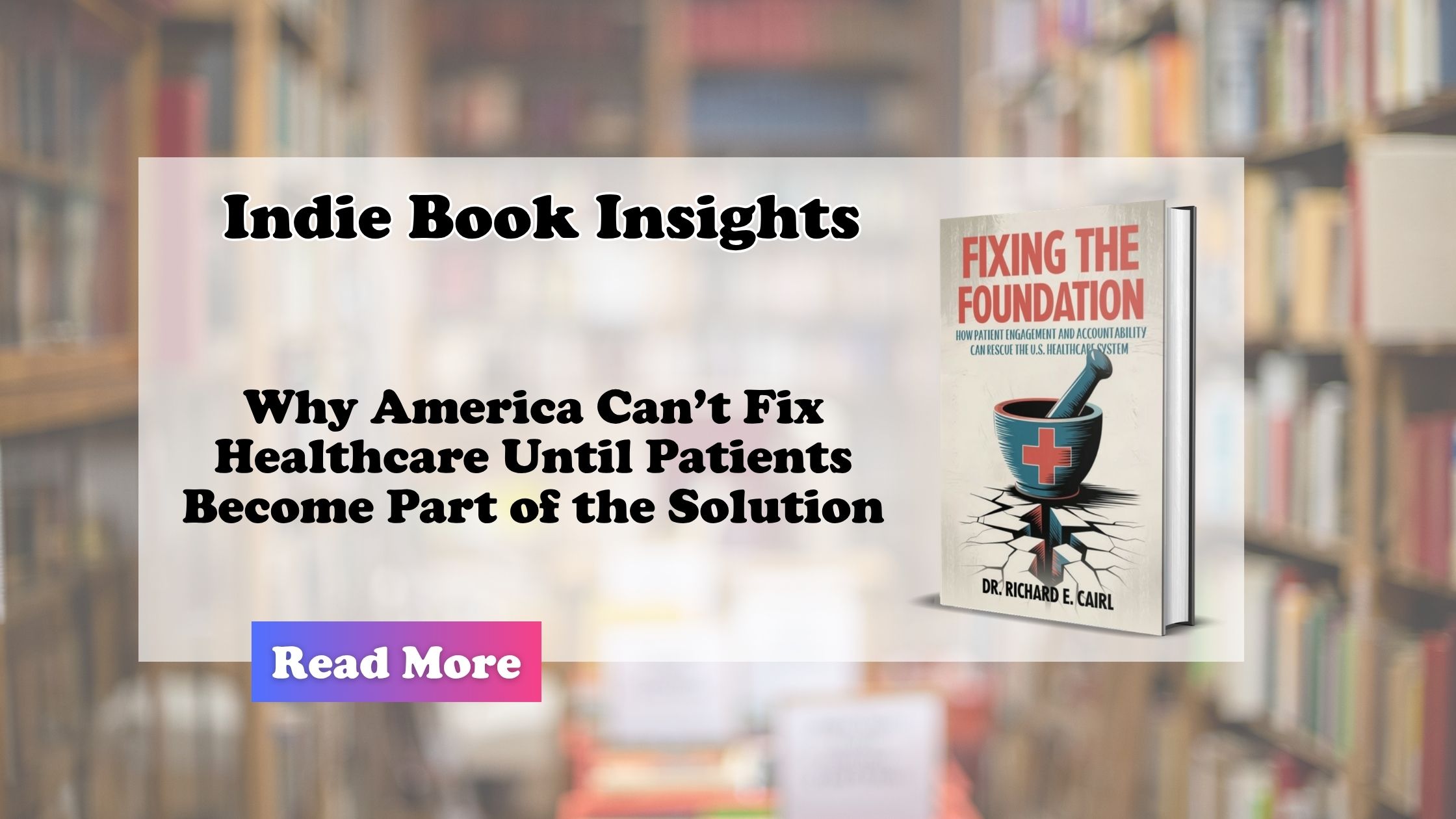
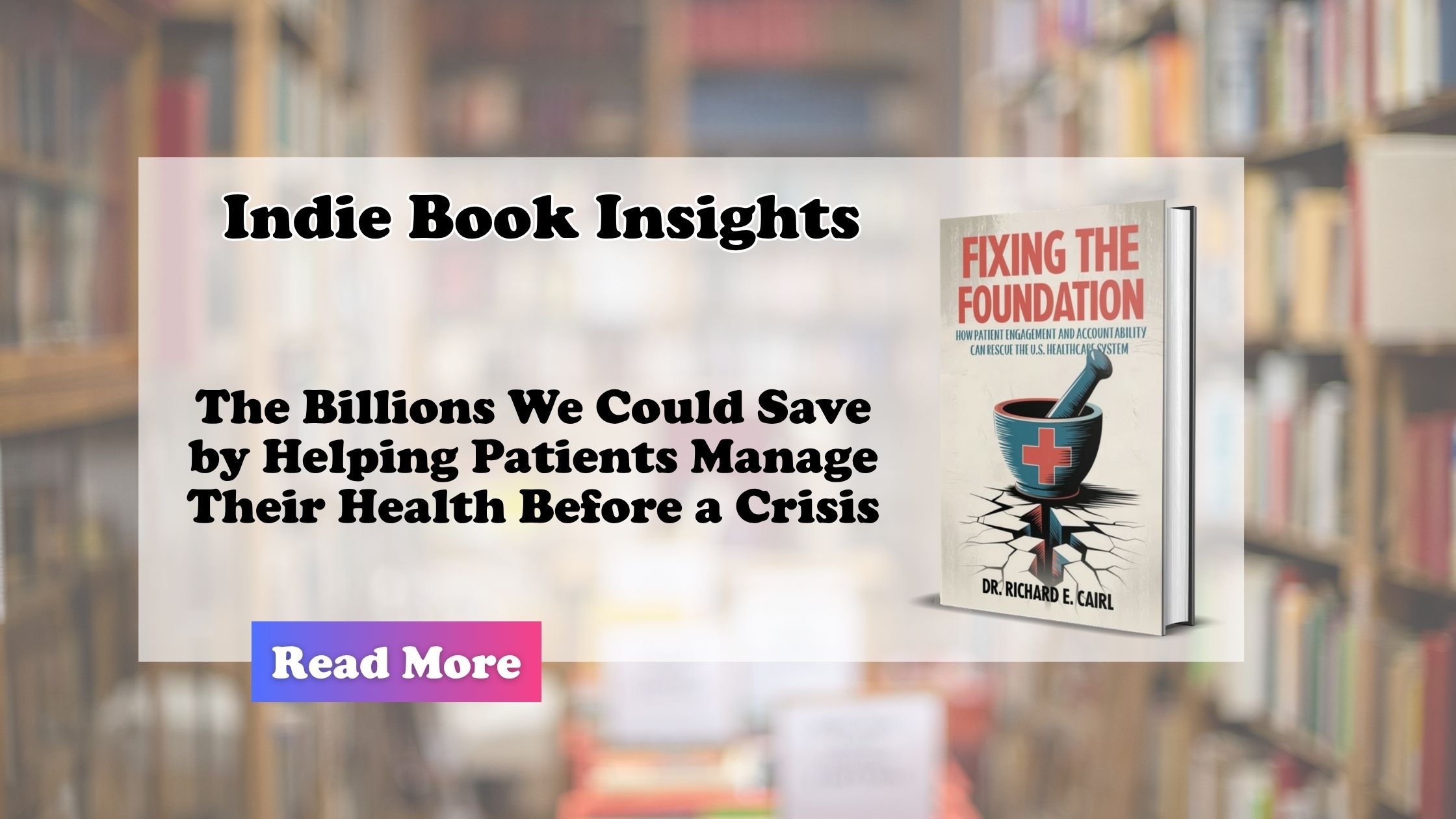
In Fixing the Foundation: How Patient Engagement and Accountability Can Rescue the U.S. Healthcare System, Dr. Richard E. Cairl argues that one of the most promising ways to reduce this burden is to help patients manage their health earlier, more consistently and more confidently.
The book points to a troubling pattern: when patients are not sufficiently engaged in their own care, preventable emergency visits, hospitalizations, readmissions and complications become more likely. Dr. Cairl cites estimates placing wasteful U.S. healthcare spending at hundreds of billions of dollars annually, while poor medication adherence alone is associated with hundreds of billions in avoidable costs.
These numbers reveal a larger problem.
The healthcare system is exceptionally good at responding once illness becomes severe, but far less effective at supporting patients during the ordinary days when prevention and self-management actually happen.
Consider a patient living with diabetes. Success depends not only on occasional appointments, but also on daily blood glucose monitoring, medication adherence, diet, activity and recognizing signs of deterioration. The same is true for hypertension, cardiovascular disease, COPD and many other chronic conditions. Dr. Cairl emphasizes that the long periods between provider encounters are where much of the real work of healthcare takes place.
That is why engagement matters.
Helping patients understand their conditions, follow treatment plans, attend appointments, monitor their health and make achievable lifestyle changes can reduce the risk that manageable problems become expensive emergencies.
But Dr. Cairl does not reduce the solution to telling patients to “be more responsible.”
Fixing the Foundation argues that healthcare systems must give patients the tools to succeed. Better communication, health literacy support, motivational interviewing, shared decision-making, behavioral nudges, coaching, self-monitoring and digital reminders can all help turn medical advice into everyday action.
Technology may also strengthen this effort. Patient portals, wearables, remote monitoring, digital coaching platforms and AI-driven chatbots can provide reminders, collect health information, reinforce goals and help patients remain connected to care beyond the clinic. Used responsibly, these tools can support both prevention and accountability.
The potential benefit is not only financial.
Better self-management can mean fewer frightening trips to the emergency room, fewer avoidable complications, greater independence and a better quality of life. In other words, saving money and improving patient wellbeing do not have to be competing goals.
That is one of the central messages of Dr. Cairl’s book.
America cannot simply continue spending more money treating preventable deterioration. A more sustainable system must invest earlier, before the crisis, before the hospitalization and before manageable disease becomes far more difficult and expensive to control.
Fixing the Foundation: How Patient Engagement and Accountability Can Rescue the U.S. Healthcare System offers a timely argument for moving healthcare from reactive treatment toward proactive partnership.
Read Dr. Richard E. Cairl’s book on Amazon: https://www.amazon.com/dp/B0GRCRBKB6/