

Soviet wrestlers became some of the most recognisable villains in American professional wrestling during the Cold War. Their rise was closely connected to the political fears, national pride, and international tension that shaped American life from the 1950s through the early 1990s.
Before Russian characters dominated the ring, wrestling promoters often used German and Japanese villains. These performers drew on memories of World War II and were presented as enemies of the American hero. As Germany and Japan became allies of the United States, promoters needed a new foreign threat that audiences would instantly recognise. The Soviet Union provided that threat.
By the 1950s, characters such as the Kalmikoff brothers and Ivan Rasputin began appearing in American wrestling territories. They were presented as physically imposing, aggressive, and willing to break the rules. Their clothing, names, accents, and behaviour helped create a dramatic image of the Soviet enemy.
Boris Malenko became another important figure in this tradition. Known for his intense personality and association with the Russian chain match, Malenko played the role of a dangerous Soviet agent. His character generated such strong hostility that fans sometimes attempted to attack him outside the ring.
Ivan Koloff later helped define the complete Soviet wrestling persona. Although he was Canadian, he became famous as the Russian Bear. He wore Soviet symbols, carried chains, spoke with a Russian accent, and claimed that Soviet wrestlers were superior to Americans. His victory over Bruno Sammartino at Madison Square Garden became one of the most shocking moments in wrestling history.
Nikolai Volkoff brought the Soviet villain to an even wider audience. Born in Croatia when it was part of Yugoslavia, Volkoff had personal experience with life under communism. Despite his dislike of the political system, he portrayed a proud Soviet supporter in the ring. His performance of the Soviet national anthem before matches became one of wrestling’s most memorable rituals.
During the 1980s, Soviet characters appeared across major promotions. Wrestlers such as Nikita Koloff, Ivan Koloff, and Nikolai Volkoff became central figures in stories built around patriotism and political rivalry. Their American opponents represented courage, freedom, and national pride.
These characters influenced more than wrestling audiences. For many younger viewers, professional wrestling offered an early image of Soviet people and culture. Television repeated the stereotype of the Russian as powerful, cold, dishonest, and hostile toward America.
As relations between the United States and the Soviet Union improved, wrestling reflected the change. Some Soviet characters became allies or fan favourites. After the collapse of the Soviet Union, wrestling moved away from Cold War villains and toward more rebellious and personal rivalries.
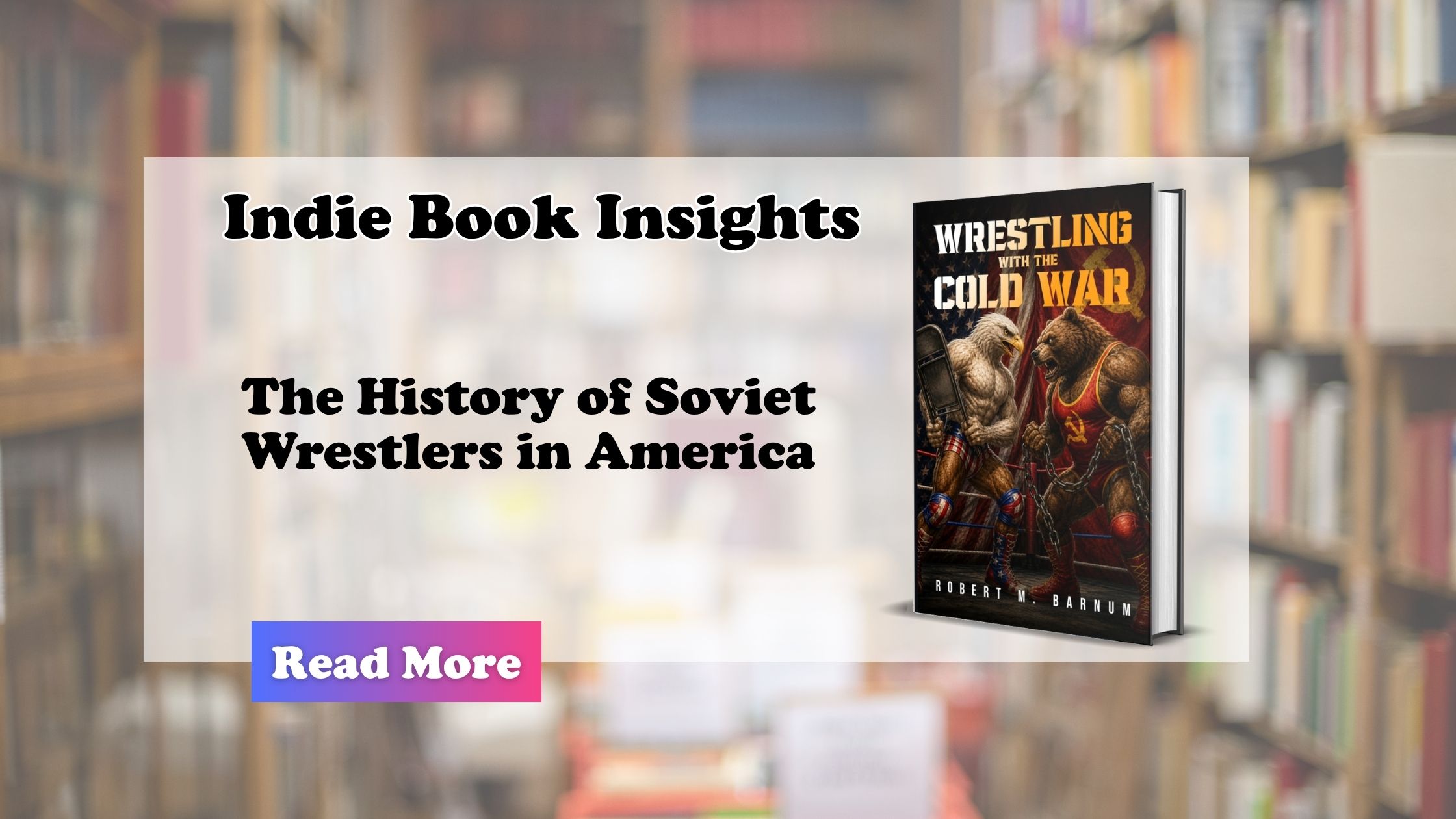
In Wrestling With the Cold War, Robert M. Barnum explores this overlooked history through match footage, interviews, fan memories, and cultural analysis. The book reveals how Soviet wrestlers became symbols of a global conflict and how professional wrestling helped audiences understand, fear, and emotionally process the Cold War.