
International healthcare projects often begin with good intentions. Medical professionals travel to communities with the aim of sharing knowledge, improving treatment, and saving lives. Yet support can cause harm when visitors assume that methods used in wealthier countries must always be better than local practices.
Healthcare does not exist separately from culture, history, family life, geography, and available resources. Local doctors, midwives, nurses, and community leaders understand the daily realities facing the people they serve. They know how far women must travel for treatment, which supplies are difficult to obtain, how families make healthcare decisions, and which traditions shape attitudes towards pregnancy and childbirth. Ignoring this knowledge can weaken even the most carefully planned programme.
Angela Gorman witnessed this lesson during her humanitarian work in Chad. She and her colleagues were concerned when they saw women lying flat during labour and newborn babies being separated from their mothers after birth. Their concerns were based on modern clinical understanding, which supports movement during labour, early contact between mother and baby, warmth, and immediate breastfeeding.
When Angela and her colleagues raised the matter with a local midwife, they received an unexpected answer. The midwife explained that women had once given birth in upright positions and breastfed immediately. These practices had been passed down by their mothers. They changed only after Western healthcare professionals told them to follow different methods.
The visitors were shocked. Practices they considered unsafe had not developed from local ignorance. They had been introduced through outdated Western instruction. The local knowledge had been correct, but it had been dismissed because outside methods were treated as superior.
This experience revealed a serious problem within international healthcare. Advice can remain in use long after it has been abandoned in the country that introduced it. Local professionals may continue following it because they were taught to trust foreign authority. Meanwhile, nobody returns to explain that the guidance has changed.
Respecting local knowledge does not mean rejecting modern medicine. It means listening before advising, asking questions before making judgments, and recognising that useful knowledge can come from communities as well as institutions. The strongest healthcare partnerships are built through cooperation, evidence, humility, and mutual respect.
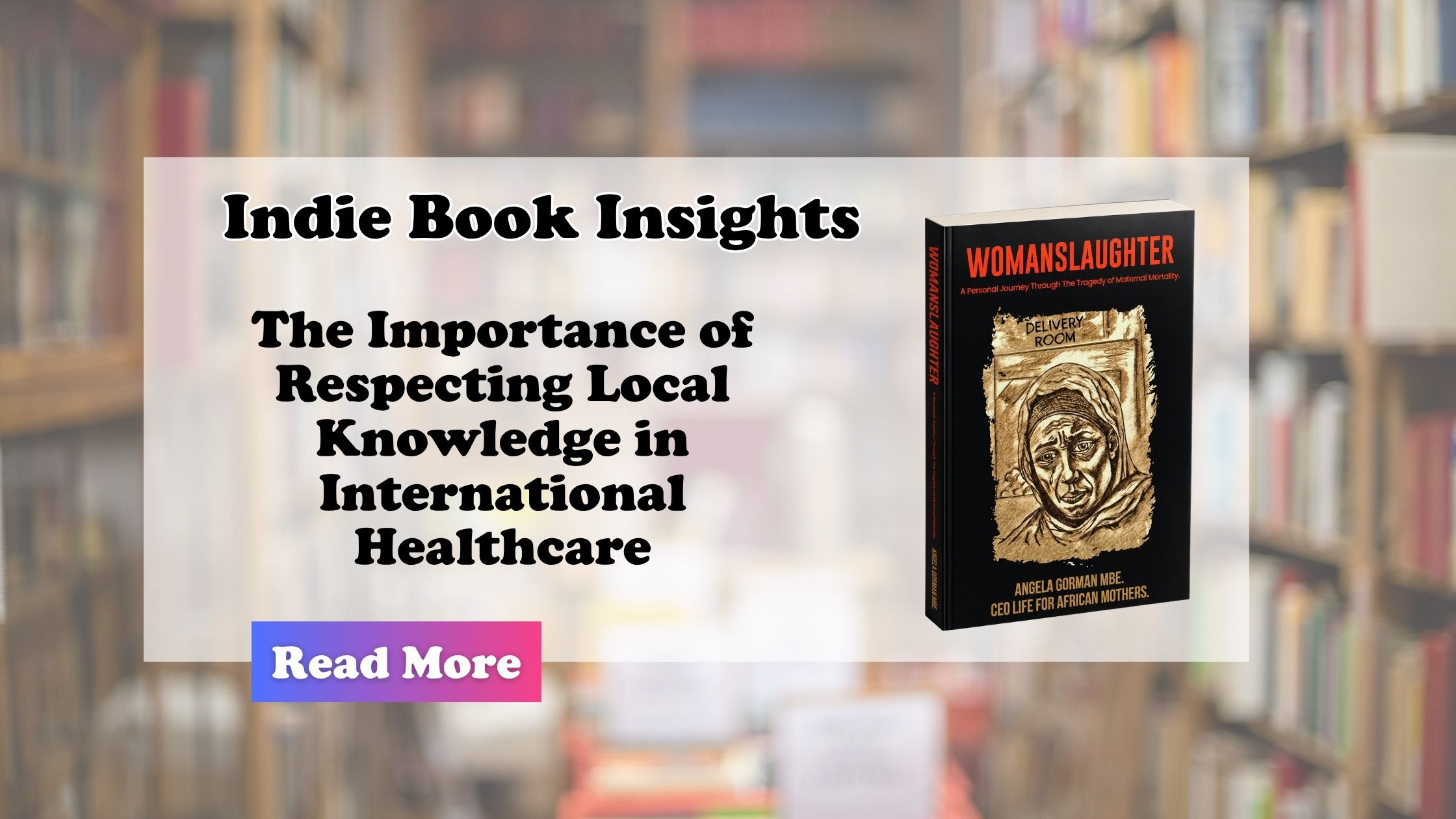
Angela explores this lesson and many others in Womanslaughter: A Personal Journey Through the Tragedy of Maternal Mortality. Drawing on her experience as a neonatal nurse and maternal health campaigner, she shares what she witnessed in hospitals across Africa and how those experiences changed her understanding of care, inequality, and responsibility.
Womanslaughter offers a direct and personal account of women, babies, and medical workers facing conditions that should never be accepted. It is essential reading for anyone interested in nursing, maternal health, humanitarian work, international development, and the importance of listening to the people whose lives are most affected.
Find out in this essential read, available on Amazon https://www.amazon.com/dp/B0H8FKFQBZR