

Forgiveness is often seen as a simple act of letting go of anger or resentment towards others. However, in the context of spiritual growth, forgiveness is much more profound. It is not only a way to heal relationships but also a powerful tool for personal transformation. By embracing forgiveness, individuals can release themselves from the shackles of negativity and open themselves up to deeper spiritual connections, peace, and divine guidance.
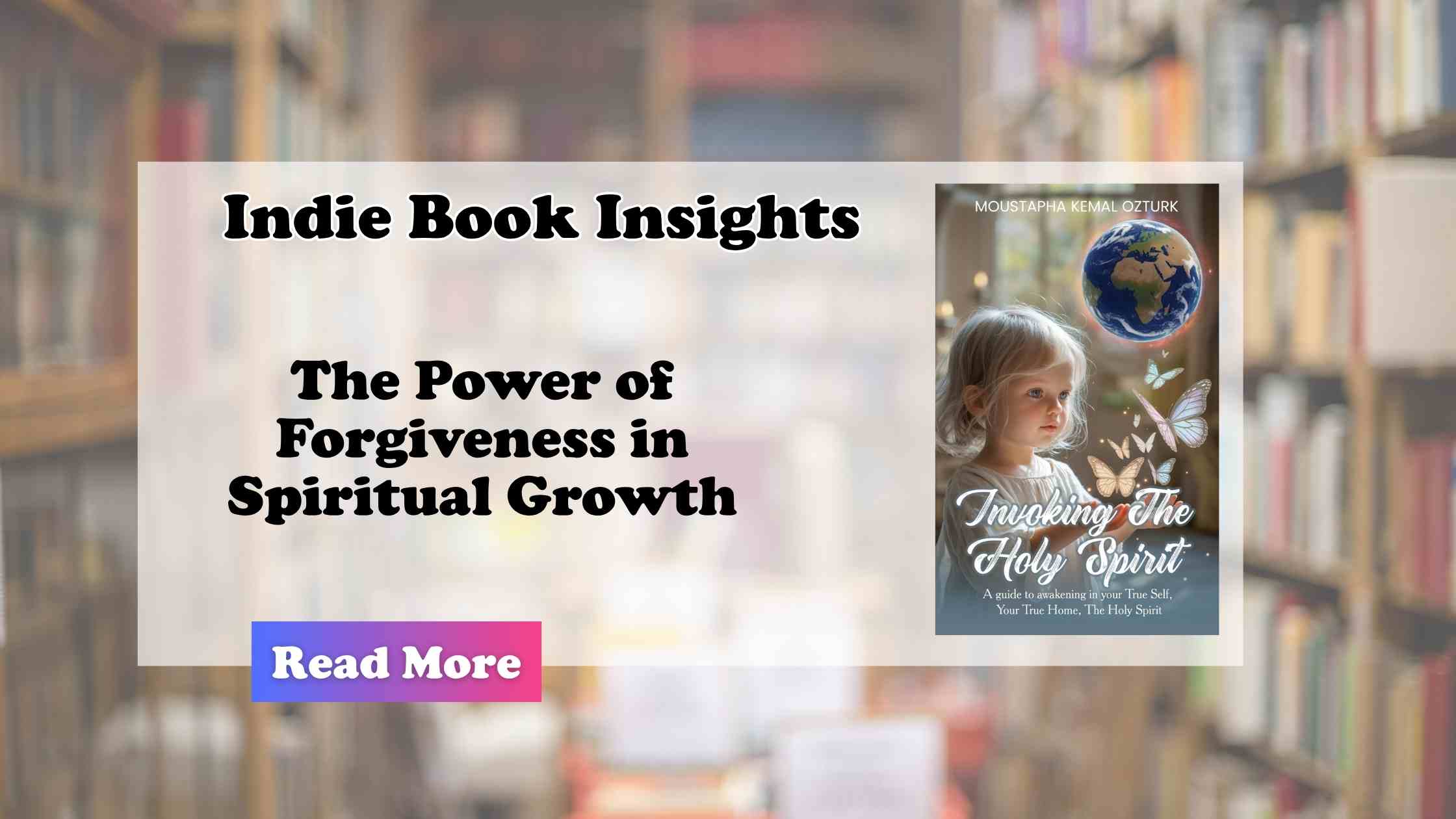
In Invoking the Holy Spirit, Moustapha Ozturk highlights forgiveness as a central practice on the path to spiritual awakening. It is through forgiveness that individuals can truly begin to experience God’s unconditional love and find their way back to their true selves. The power of forgiveness is not just about absolving others of their wrongdoings; it is about freeing oneself from the emotional burden that keeps the soul trapped in suffering.
Forgiveness, as described in the book, is a means of letting go of the ego’s judgments and illusions. The ego thrives on resentment and unforgiveness, holding individuals captive in a cycle of anger, fear, and separation. When we forgive, we dissolve these barriers and create space for divine love to flow through us. This is not an easy task, as it requires vulnerability, self-reflection, and an unwavering commitment to peace. However, it is through this process that individuals are able to access the Holy Spirit and allow divine wisdom to guide their lives.
The book emphasizes that forgiveness is not a one-time act but a continual practice. It is something that must be done daily, with each thought, emotion, and encounter. In this way, forgiveness becomes a form of spiritual discipline one that nurtures the soul and cultivates an attitude of love, compassion, and acceptance. By practicing forgiveness, individuals align themselves with God’s will and enter a state of grace that transcends worldly judgments.
Forgiveness also plays a pivotal role in healing. It is through the act of forgiveness that wounds from past experiences, whether with others or oneself, are healed. Holding on to past hurt only prolongs suffering and prevents spiritual growth. In contrast, when forgiveness is extended, both to others and to oneself, healing occurs, and the individual is freed from the past, making room for new beginnings and divine blessings.
As Ozturk notes, when we forgive, we align our hearts and minds with God’s divine love. We cease to see others through the lens of judgment and instead, witness them with compassion and understanding. This shift in perspective not only transforms our relationships with others but also deepens our connection with the Creator. The act of forgiveness brings about a spiritual awakening, reminding us that we are all one in God’s love, and that forgiveness is the key to experiencing true peace and salvation.
In conclusion, the power of forgiveness is essential for anyone seeking spiritual growth. It is the doorway through which divine love enters our lives, healing our hearts and minds, and bringing us closer to God. As we forgive, we not only release ourselves from the burden of past pain but also invite the Holy Spirit to guide us towards a life of peace, love, and spiritual fulfillment. Forgiveness is not just a practice; it is a way of living a way to align with God’s will and experience the full extent of His love and grace.
Get your copies from Amazon: https://www.amazon.com//dp/1971228869.