
Many people hear the word non attachment and imagine coldness or distance. They fear it means caring less, loving less, or stepping away from life. In truth, non attachment is not about withdrawing from experience. It is about changing how tightly we hold on to it. When practiced gently, non attachment brings calm, clarity, and emotional freedom.
Understanding Non Attachment
Non attachment does not mean giving up relationships, goals, or responsibilities. It means releasing the belief that happiness depends on things staying exactly as we want them to be. When expectations soften, the mind becomes more flexible and open.
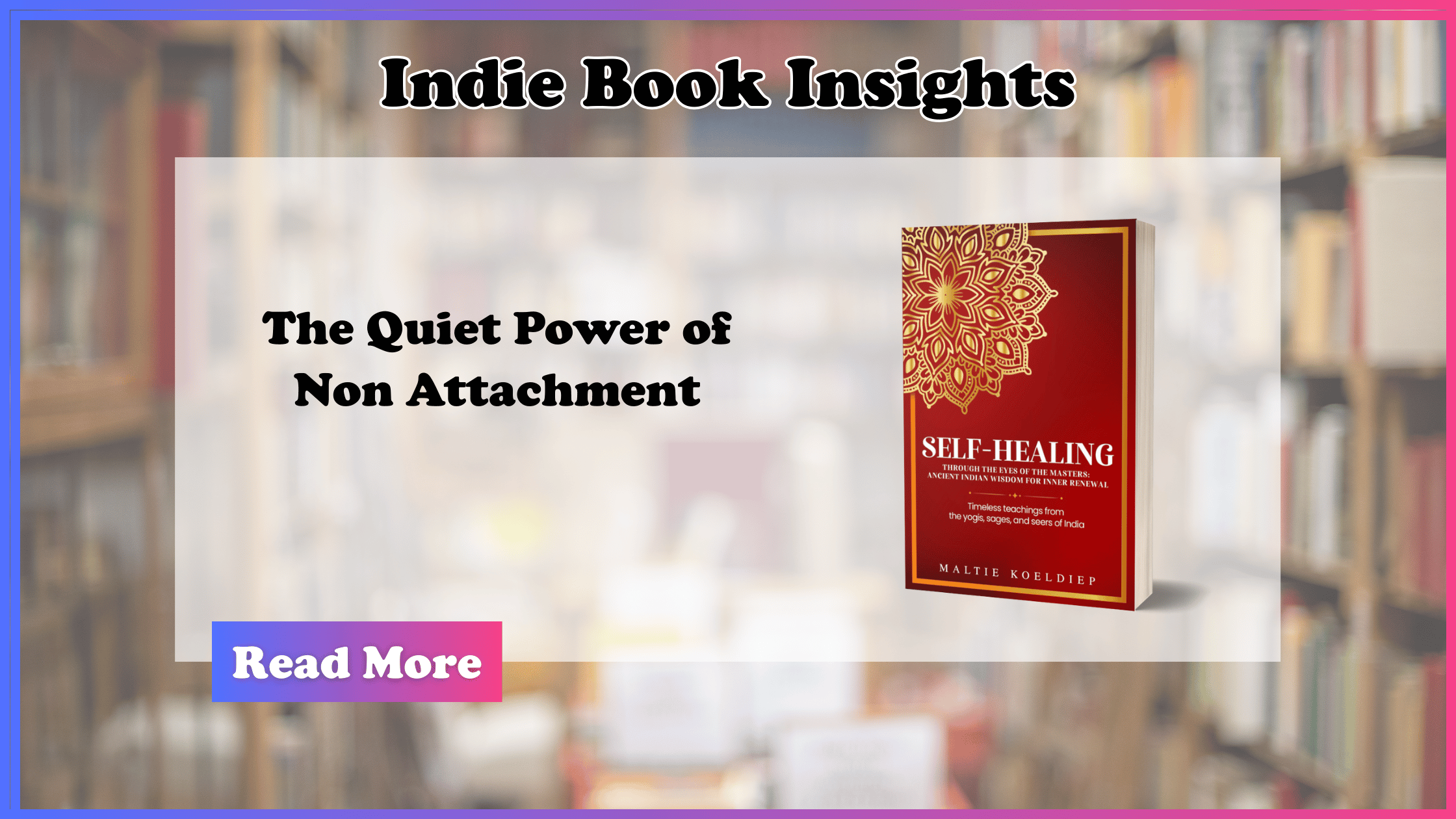
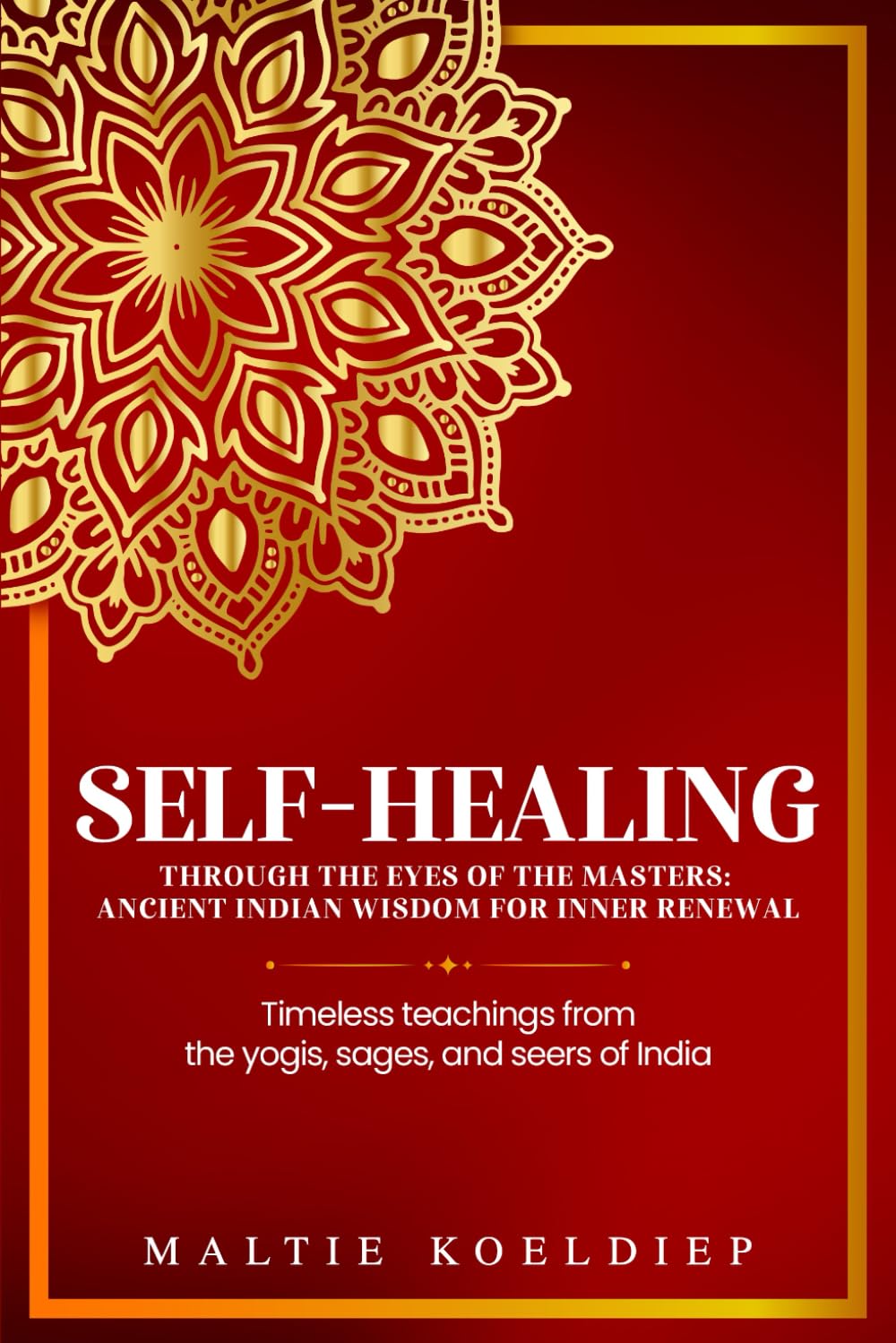
In Self Healing Through the Eyes of the Masters by Maltie Koeldiep, non attachment is presented as a natural outcome of awareness. Drawing from ancient teachings, the book shows that suffering grows when we cling too strongly to outcomes, identities, or emotions.
How Attachment Creates Emotional Strain
Attachment often appears as fear of loss or resistance to change. When we become attached to approval, success, or certainty, emotional balance becomes fragile. Small disruptions feel overwhelming because they threaten what we are holding onto.
For example, if self-worth depends on constant praise, criticism can feel deeply painful. If peace depends on a relationship behaving a certain way, conflict can create intense anxiety. Attachment narrows emotional space and increases suffering.
Letting Go Without Becoming Distant
Non attachment does not remove care. It removes pressure. You can still love deeply without needing others to fulfill every emotional expectation.
Consider a parent supporting a child. Attachment may manifest as a pervasive fear of every outcome. Non attachment allows for care and guidance without constant worry. The relationship becomes calmer and more trusting.
Everyday Examples of Non Attachment
A common example is work related stress. When identity is tied only to success, setbacks feel personal. Non attachment allows effort without defining self worth by results. You still work hard, but failure does not break inner stability.
Another example appears in emotional reactions. When anger arises, attachment may cause you to hold onto it, causing you to replay the situation repeatedly. Non attachment notices the anger, allows it to pass, and prevents it from shaping future actions.
Inner Freedom Through Awareness
Non attachment grows through awareness rather than force. When you observe thoughts and emotions without clinging to them, they lose their power to control your behavior. It creates space for thoughtful responses instead of automatic reactions.
The book emphasizes that freedom does not come from changing life, but from understanding how the mind relates to life. As awareness deepens, non attachment arises naturally and gently.
A Calm Way of Living
Non attachment does not demand perfection. It invites balance. It allows joy without fear of loss and sadness without collapse. This quiet power supports emotional resilience and peace over time.
For those interested in exploring this approach further, this book provides clear guidance, grounded in both ancient wisdom and everyday experience. It is a meaningful resource for readers seeking inner freedom without disconnection.
Read Self Healing Through the Eyes of the Masters by Maltie Koeldiep, available on Amazon: https://www.amazon.com/dp/1971228133/.