
Artificial Intelligence has moved from the realm of science fiction into our everyday lives. It is powering our phones, guiding our cars, diagnosing diseases, approving loans, and shaping the way we interact with the world.
But as this transformation accelerates, so too does a critical question: What are the ethical boundaries of AI, and are we prepared to manage them?
AI has the potential to bring profound benefits. This includes improved healthcare through diagnostic tools, smarter logistics that reduce carbon footprints, personalized education, and life-saving innovations in disaster management. In short, it can make life better.
But there’s a darker side that we cannot ignore. Algorithms can replicate human biases. Surveillance systems powered by facial recognition can target vulnerable communities. Social media algorithms can foster division. And in the hands of authoritarian regimes or unethical corporations, AI can be used to manipulate populations. It can be used to suppress dissent and exploit people with ruthless efficiency.
One of the most debated issues is the automation of labor. Millions of jobs are being transformed or eliminated by AI. While some hail this as progress, others see it as the erosion of human dignity. People become statistics in efficiency reports. Their livelihoods traded for bottom-line profits. Should there be ethical limitations on which industries can automate? Should there be universal protections for displaced workers?
Another ethical dilemma is AI’s role in warfare. For example, autonomous drones and predictive targeting raise chilling questions about accountability and the human cost of delegating life-or-death decisions to machines.
Behind every AI system is an ocean of data. This data is often collected without true consent. From our devices, search queries, health records, and even voice recordings. AI models can know more about you than your closest friends, and this knowledge can be sold or weaponized for political or commercial advantage.
In this landscape, privacy is a public concern. The power imbalance between tech giants and individuals has grown dangerously wide, and without ethical governance, we risk becoming passive subjects in systems designed to manipulate.
The push for ethical AI is growing. Researchers and organizations are calling for transparency, accountability, and fairness in the way these systems are built and deployed. Some governments are also beginning to respond with legislation aimed at protecting citizens’ rights.
But legislation alone is not enough. We need a cultural shift. We must develop AI with values in mind, not just efficiency or profit.
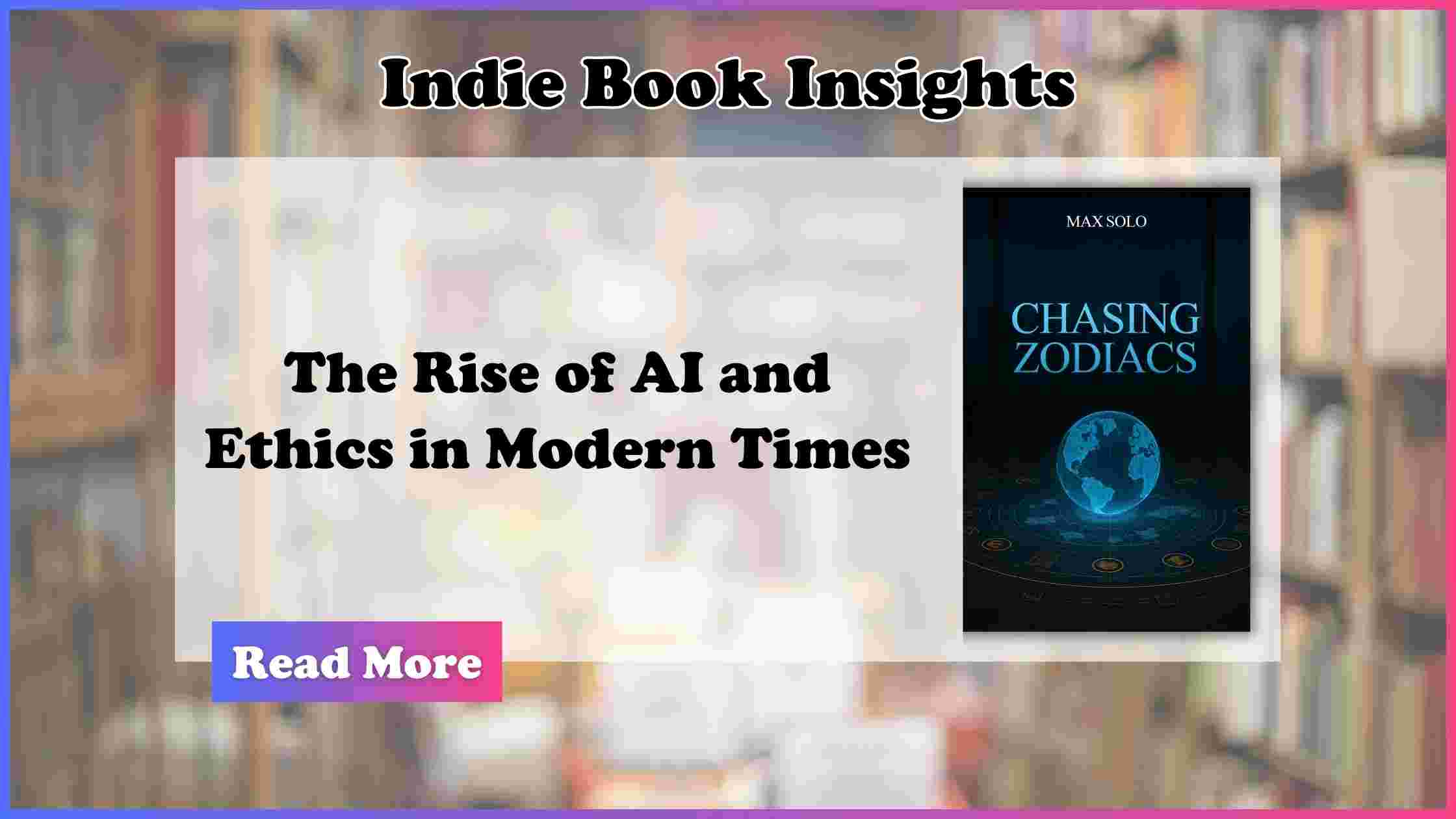
Stories have always helped us understand the moral weight of our innovations. Fiction often gives us a clearer view of the dangers we fail to see in the moment. One such example is Chasing Zodiacs by Max Solo.
This novel dives headfirst into the ethical chaos of artificial intelligence and human exploitation, using suspenseful storytelling to illuminate the mechanics of modern slavery, global surveillance, and institutional betrayal. At its heart is a warning: when technology evolves without ethics, humanity risks becoming obsolete.
More than just a techno-thriller, Chasing Zodiacs is a mirror held up to our world. It asks hard questions about identity, control, and freedom in a system designed to erase individuality. If you’re looking for a novel that combines suspense, philosophical depth, high-stakes espionage, and the real-world implications of AI, this is a timely and haunting read.
Can we repair the soul of humanity before it’s consumed by code, convenience, and corruption? Read Chasing Zodiacs to know more.