
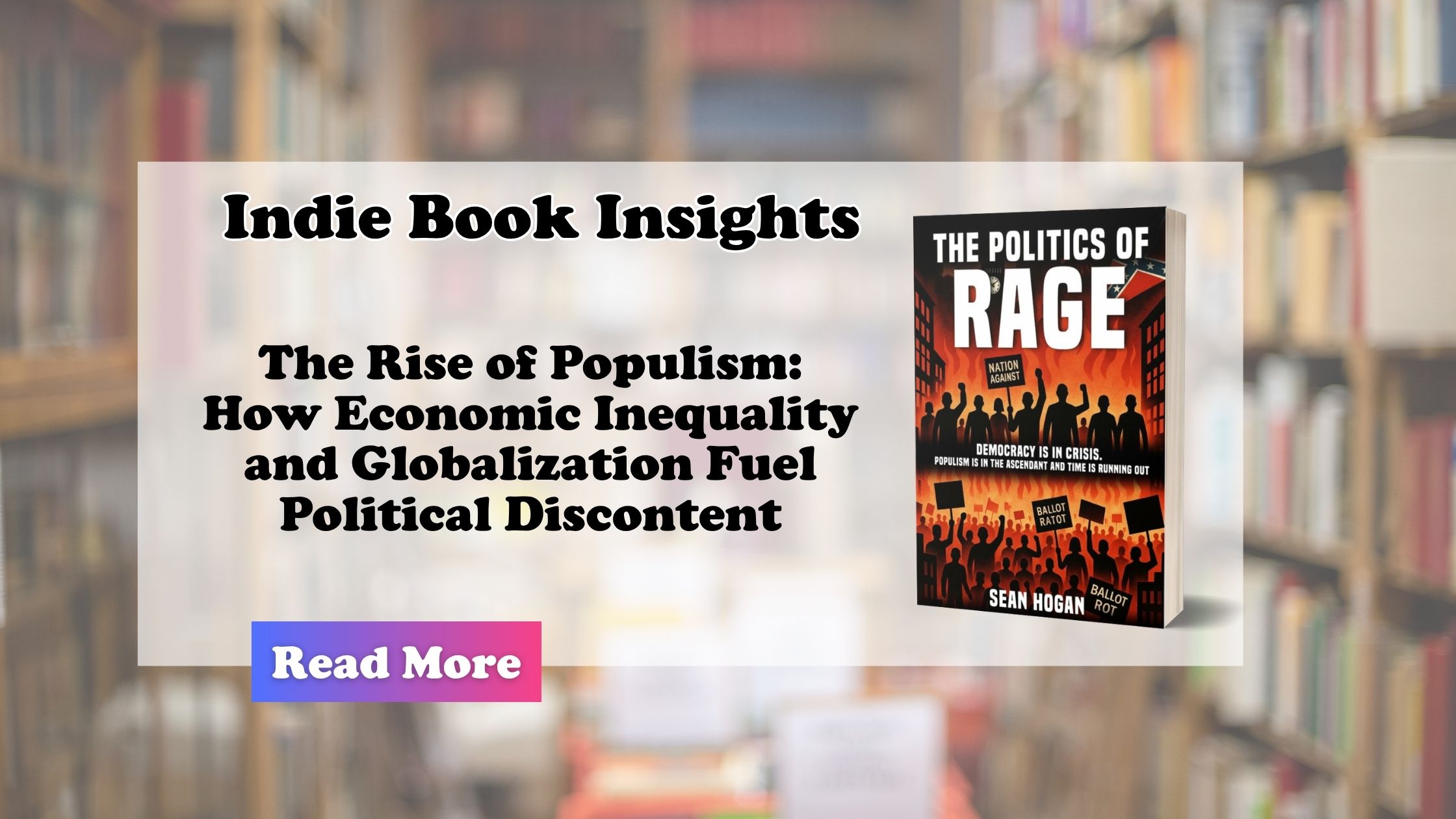
The rise of populism in recent years has become one of the most pressing issues in global politics. Across the world, populist leaders are gaining significant traction by tapping into the frustrations and fears of ordinary citizens. At the heart of this political shift lies the impact of economic inequality and globalization, which have left many feeling disconnected from the political establishment and economic systems that once promised prosperity. The Politics of Rage delves into how these two factors contribute to the rise of populism, offering a detailed exploration of how they shape political discontent and fuel the anger that drives populist movements.
Economic inequality has long been a concern for societies across the globe, but its effects have become particularly pronounced in recent decades. The gap between the rich and the poor has grown wider, and many working-class people feel that their opportunities for social and economic mobility have been severely restricted. In The Politics of Rage, the author highlights how populist leaders are capitalizing on this sense of economic injustice by framing their rhetoric around the idea that the political elite is responsible for the widening gap between the wealthy and the rest of society. These leaders claim that the establishment has prioritized the interests of the wealthy while ignoring the needs of ordinary citizens, leading to a deep sense of frustration among those who feel left behind.
Globalization is another major driver of populism. As countries become increasingly interconnected, many people feel that their jobs, cultural identities, and way of life are being threatened by forces beyond their control. The relocation of manufacturing jobs to countries with cheaper labor, the influx of immigrants, and the rise of multinational corporations have all contributed to a sense of economic instability. In The Politics of Rage, the author explores how populist movements exploit these fears, portraying globalization as a threat to national sovereignty and economic security. Populist leaders promise to protect their citizens from the harmful effects of globalization by adopting protectionist policies and embracing nationalism, creating a narrative that places blame on foreign competition, immigrants, and international organizations.
In many cases, globalization has led to job losses in traditional industries, especially in rural areas, which are often seen as the heart of a nation’s identity. These regions have been hit hard by the decline of manufacturing, the rise of automation, and the outsourcing of jobs. Populist leaders have successfully framed these losses as part of a larger conspiracy by elites who benefit from global economic systems at the expense of everyday citizens. This narrative resonates with people who feel disconnected from the globalized economy, as they see their jobs disappearing and their communities suffering without any meaningful support from the government.
However, the rise of populism is not solely driven by economic factors. While inequality and globalization contribute to political discontent, the role of cultural anxiety and identity politics cannot be overlooked. Many populist movements capitalize on fears surrounding cultural changes, including immigration, the erosion of national identity, and the shifting demographic makeup of societies. In The Politics of Rage, the author examines how populist leaders use these cultural issues to mobilize support, creating an “us vs. them” mentality that casts immigrants, minorities, and the political establishment as threats to national values and social cohesion.
The Politics of Rage provides an insightful analysis of how economic inequality and globalization have fueled the rise of populism, offering a nuanced understanding of the complex factors that contribute to political discontent. The book explores how populist leaders have seized on these issues to create a political movement that challenges the established order, often using rhetoric that plays on fear and anger to rally support. By examining the rise of populism through the lens of economic and cultural forces, this book provides a compelling exploration of the shifting political landscape and the deepening divisions in modern societies.
Find out in this essential read, available on Amazon https://www.amazon.com/dp/B0FHBDWJD4/