
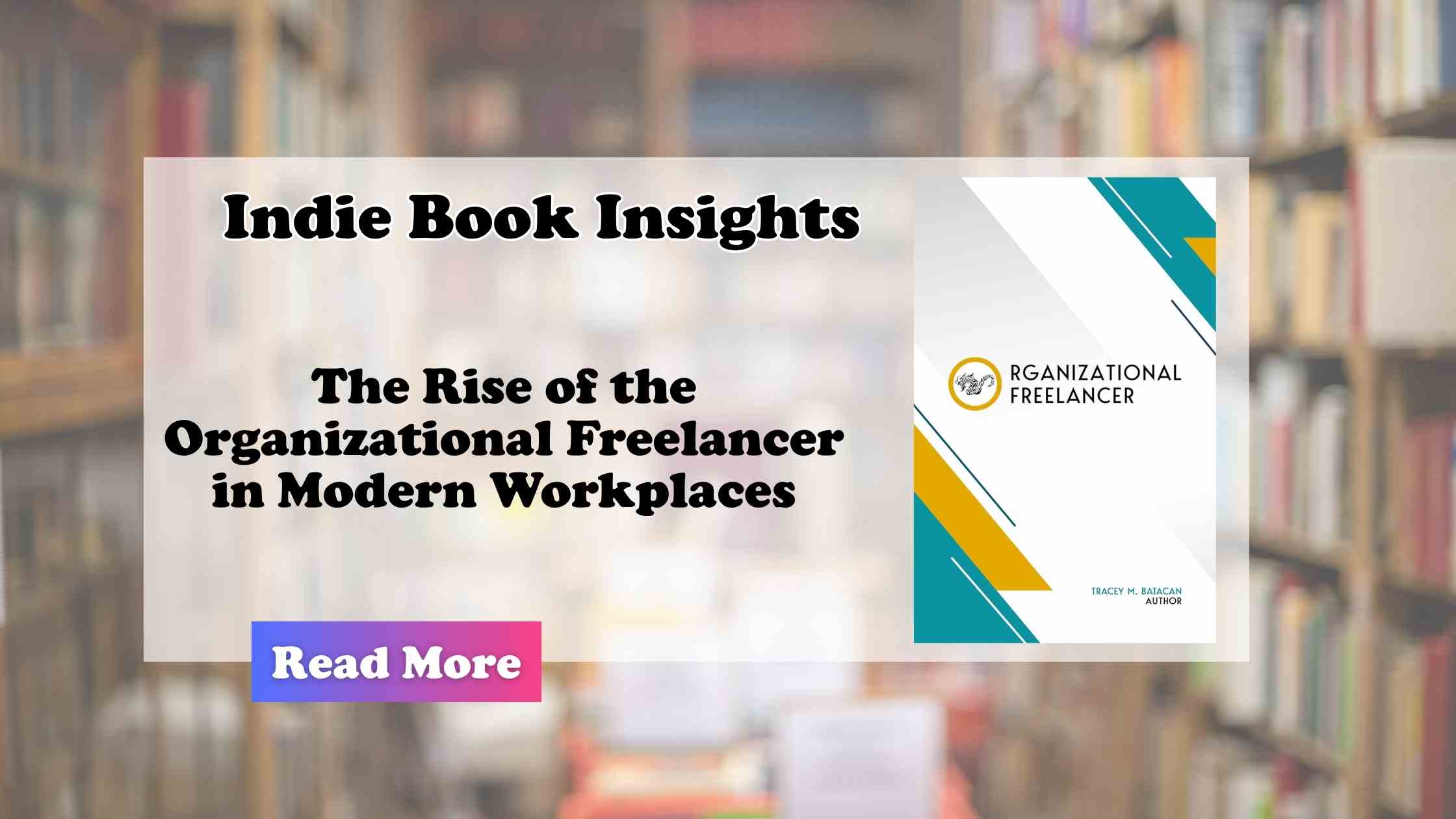
The modern workplace is undergoing a quiet revolution. Job descriptions are expanding, career paths are becoming less linear and adaptability is quickly replacing stability as the most valuable professional trait. At the center of this transformation is a new kind of professional: the organizational freelancer, a concept powerfully explored in Organizational Freelancer by Tracey M. Batacan.
Unlike traditional freelancers who operate independently, organizational freelancers work within companies but think and act beyond rigid roles. They bring an entrepreneurial mindset to their positions, taking initiative, solving problems creatively and driving progress without waiting for permission. As workplaces become more complex and dynamic, this mindset is no longer optional; it’s essential.
Why the Shift Is Happening
The rise of the organizational freelancer is not random; it is a direct response to the changing nature of work. Global competition, digital transformation and constant innovation have made it impossible for organizations to rely solely on fixed roles and predictable workflows.
Today’s challenges require employees who can pivot quickly, collaborate across functions and take ownership of outcomes. Professionals who limit themselves to narrowly defined responsibilities risk becoming obsolete. Those who step beyond those limits, however, become indispensable.
This is where organizational freelancers stand out. They don’t wait for change; they anticipate it. They don’t avoid uncertainty; they navigate it.
Breaking Free from Traditional Roles
For decades, employees were encouraged to specialize deeply in one area. While expertise still matters, it is no longer enough. Modern organizations need individuals who can connect ideas, bridge gaps between teams and adapt their skills to new challenges.
Organizational freelancers embrace this reality. They seek opportunities outside their comfort zones, continuously learn new skills and engage in projects that stretch their capabilities. Whether it’s contributing to cross-functional initiatives, improving processes or leading efforts informally, they redefine what it means to “do their job.”
The Mindset That Drives Growth
What truly fuels the rise of the organizational freelancer is mindset. These professionals approach work with curiosity, resilience and a sense of ownership.
They understand that:
- Growth comes from learning, not staying comfortable.
- Failure is feedback, not a final outcome.
- Listening and collaboration are as valuable as technical skills.
- Leadership isn’t a title, it’s an action.
By embodying these principles, they become catalysts for innovation within their organizations.
Why Organizations Are Embracing This Shift
Forward-thinking companies are beginning to recognize the value of organizational freelancers. These individuals bring agility to teams, accelerate problem-solving and foster a culture of innovation. Instead of relying on top-down directives, organizations benefit from employees who actively contribute ideas and drive initiatives.
The result? Faster decision-making, stronger collaboration and a workforce that is better equipped to handle change.
Moreover, when companies encourage this mindset, they unlock hidden potential within their teams. Employees feel empowered, engaged and motivated to go beyond the minimum expectations.
A New Standard for Success
The rise of the organizational freelancer signals a broader shift in how we define success at work. It’s no longer about staying in one role for decades or mastering a single skill. It’s about evolving, adapting and continuously adding value.
For professionals, this means taking control of their growth. For organizations, it means creating environments where initiative and innovation are encouraged.
Organizational Freelancer serves as both a guide and a call to action, challenging readers to rethink their approach to work and embrace a more dynamic, empowered way of contributing.
Because in today’s workplace, the future doesn’t belong to those who wait. It belongs to those who step up, stand out and think like organizational freelancers.