

Many people who have lived through trauma describe moments of inner knowing. A quiet sense of guidance. A feeling that something deeper is present, even during difficult times. This experience is often described as connection to the Higher Self.
The Higher Self is not something outside of you. It is not a separate voice or authority. It is the part of you that remains steady, aware, and compassionate beneath survival responses.
Understanding this role can bring comfort and direction during healing.
Trauma and the Feeling of Disconnection
Trauma often creates distance from the self. When experiences overwhelm the nervous system, attention shifts outward or away from the body. This can make it difficult to feel grounded or connected.
The Higher Self remains present even during disconnection. It does not disappear. It waits patiently, without judgment, for reconnection to feel safe again.
Healing is not about finding something new. It is about restoring access to what has always been there.
Guidance Without Pressure
One of the most supportive roles of the Higher Self is offering guidance without force. Unlike internal critics or fear based thoughts, the Higher Self does not rush or shame. It speaks through calm insight, gentle nudges, and a sense of right timing.
For trauma survivors, this kind of guidance is essential. Healing cannot be forced. The Higher Self respects limits and encourages pacing that protects well being.
Learning to recognize this difference can help survivors trust themselves again.
The Higher Self and Self Compassion
Self compassion often feels difficult after trauma. Many people are kinder to others than to themselves. The Higher Self carries compassion naturally. It does not need to be learned. It needs to be accessed.
When survivors connect with this inner presence, self compassion begins to feel less like a task and more like a natural response. It allows people to hold pain without being overwhelmed by it.
This creates emotional safety, which is the foundation of healing.
Listening Rather Than Seeking Answers
The role of the Higher Self is not to provide constant answers. It supports awareness. It helps people notice what feels aligned and what does not.
Instead of asking what should I do, healing often deepens when people ask what feels supportive right now. The Higher Self responds through sensations, emotions, and clarity rather than commands.
This kind of listening builds trust over time.
Integration of Body and Inner Wisdom
Trauma healing requires grounding. The Higher Self works best when the body feels safe enough to be present. This integration allows intuition and physical awareness to work together.
Practices that support grounding, rest, and presence help strengthen this connection. There is no need to push for spiritual insight. It unfolds naturally as safety increases.
A Steady Companion Through Healing
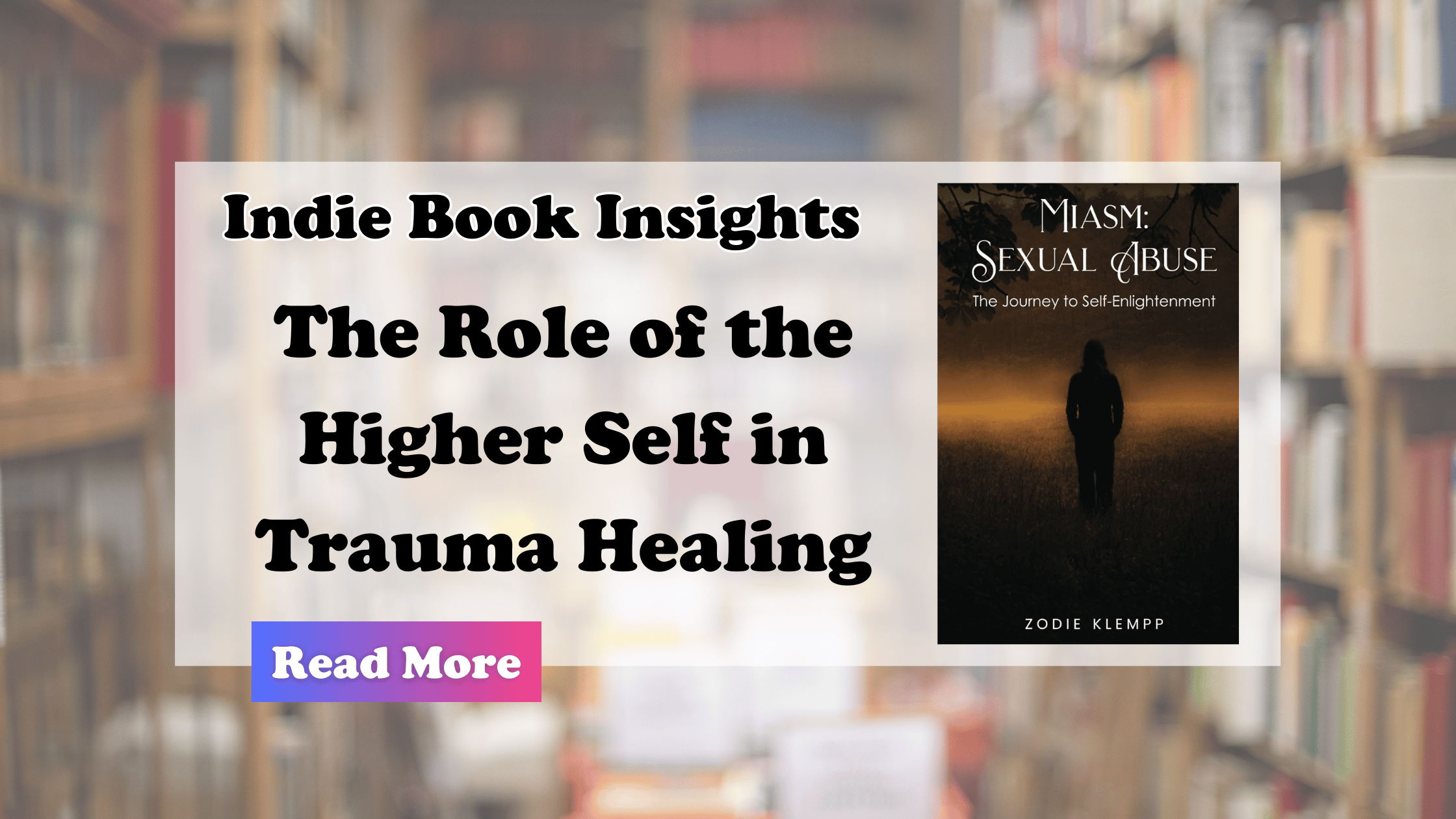
In MIASM: Sexual Abuse, Zodie Klempp describes the Higher Self as a steady companion through healing rather than a distant concept. The book offers insight into how survivors can reconnect with this inner guidance while remaining embodied and grounded. Zodie’s journey is proof that the lowest moments do not have to be the end of the story. They can be the place where you discover your resilience, find your voice, and reconnect with the deepest parts of who you are. When you rise from the bottom, you do so with a new understanding of your strength and have the power to lead your story and perhaps rewrite it with more grace and conviction to self and God.
Order your copy from Amazon to learn more and seek grace: www.amazon.com/dp/1917553412.
The Higher Self does not erase pain or speed up healing. It provides perspective, patience, and reassurance. It is through Him that healing becomes less frightening when you realize you are not navigating it alone. The guidance you seek has always been within reach, waiting for you to return at your own pace.