
Have you ever changed the way you speak, dress, or behave just to fit into a particular group? Perhaps you laughed at something you didn’t find funny, agreed with an opinion you privately questioned, or pretended to be more confident than you actually felt.
Most people adjust their behaviour depending on their surroundings. But when the desire for acceptance becomes stronger than our personal values, we risk losing sight of who we really are.
THE PRESSURE TO BECOME SOMEONE ELSE
The need to belong can influence our choices in ways we barely recognise.
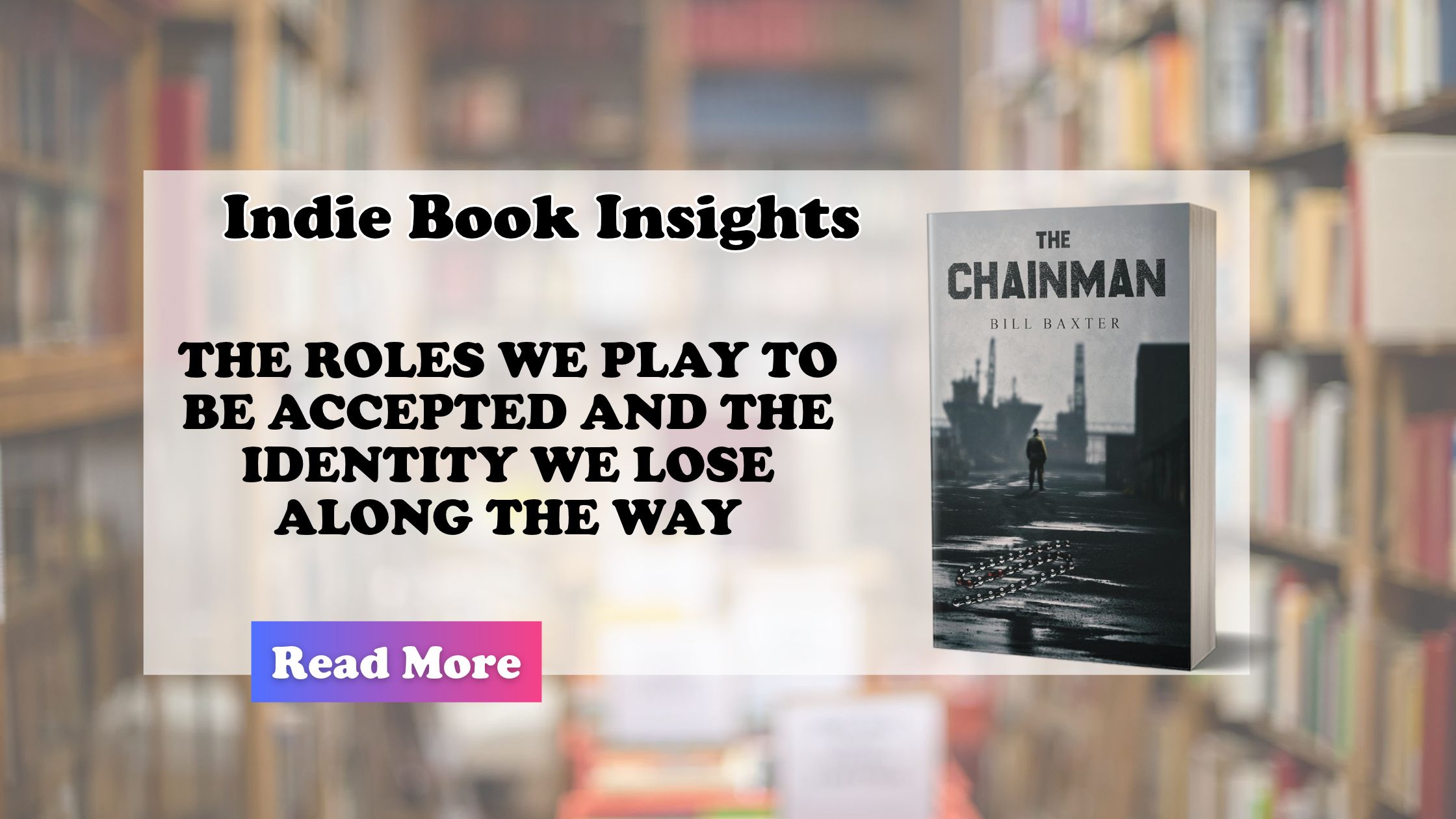
In Bill Baxter’s The Chainman, Billy is a young man trying to establish his identity while navigating friendships, family expectations, and social pressures. Working as an apprentice electrician in a Belfast shipyard, he carefully cultivates an image of confidence and experience.
His clothing, mannerisms, and attempts to appear worldly reflect his desire to distinguish himself from the ordinary working environment around him.
Yet beneath this carefully constructed appearance lies a young man uncertain about his place in the world.
His friendship with Spam adds another complication. Billy admires Spam’s rebellious independence, even when his behaviour conflicts with Billy’s conscience.
What initially feels like freedom gradually becomes another form of pressure.
WHEN ACCEPTANCE REQUIRES A PERFORMANCE
Changing environments does not always eliminate the need for approval. Sometimes it simply changes the audience.
As Billy pursues his ambitions in theatre, he begins adopting the appearance and mannerisms of the people he admires. His accent, clothing, and social behaviour change as he attempts to establish himself within an artistic community.
In The Chainman, an uncomfortable encounter between Billy and Spam exposes this transformation. Spam notices his altered appearance and speech, questioning whether his old friend is still the same person.
The moment raises an uncomfortable question: Are we genuinely growing, or are we becoming whoever others expect us to be?
Personal growth involves discovering new interests and possibilities. Losing ourselves begins when we abandon our values merely to gain acceptance.
THE HIDDEN INSECURITY BEHIND CONFIDENCE
Confidence can sometimes conceal insecurity rather than overcome it.
Spam’s determination to appear physically powerful reveals his own dependence on image. His private training, aggressive behaviour, and desire to intimidate others become part of the identity he works to maintain.
Bill Baxter presents this contradiction through a character who desperately wants to appear fearless while remaining deeply concerned with how others perceive him.
The result illustrates a difficult truth: maintaining a convincing image can become more important than developing genuine self-respect.
DISCOVERING AN IDENTITY BEYOND APPROVAL
Billy’s later search for peace offers another perspective.
Even after leaving his earlier surroundings, he finds himself imitating people he admires within a spiritual community. The familiar desire for approval survives the change of environment.
Yet his eventual life working with sheep in the Scottish Highlands also introduces a different source of satisfaction: purposeful work, practical responsibility, and a quieter existence.
Throughout The Chainman, the struggle for identity is not resolved simply by changing careers, friendships, or locations.
It requires something more personal: recognising which choices reflect genuine conviction and which are motivated by fear of rejection.
Before making a decision, it may help to ask: Would I still choose this if nobody were watching? Does it reflect my values, or someone else’s expectations?
Belonging should never require us to become strangers to ourselves. The relationships worth keeping are those in which we can grow without pretending to be someone else.
AVAILABLE ON AMAZON: https://www.amazon.com/dp/B0FJG9XB1V/