
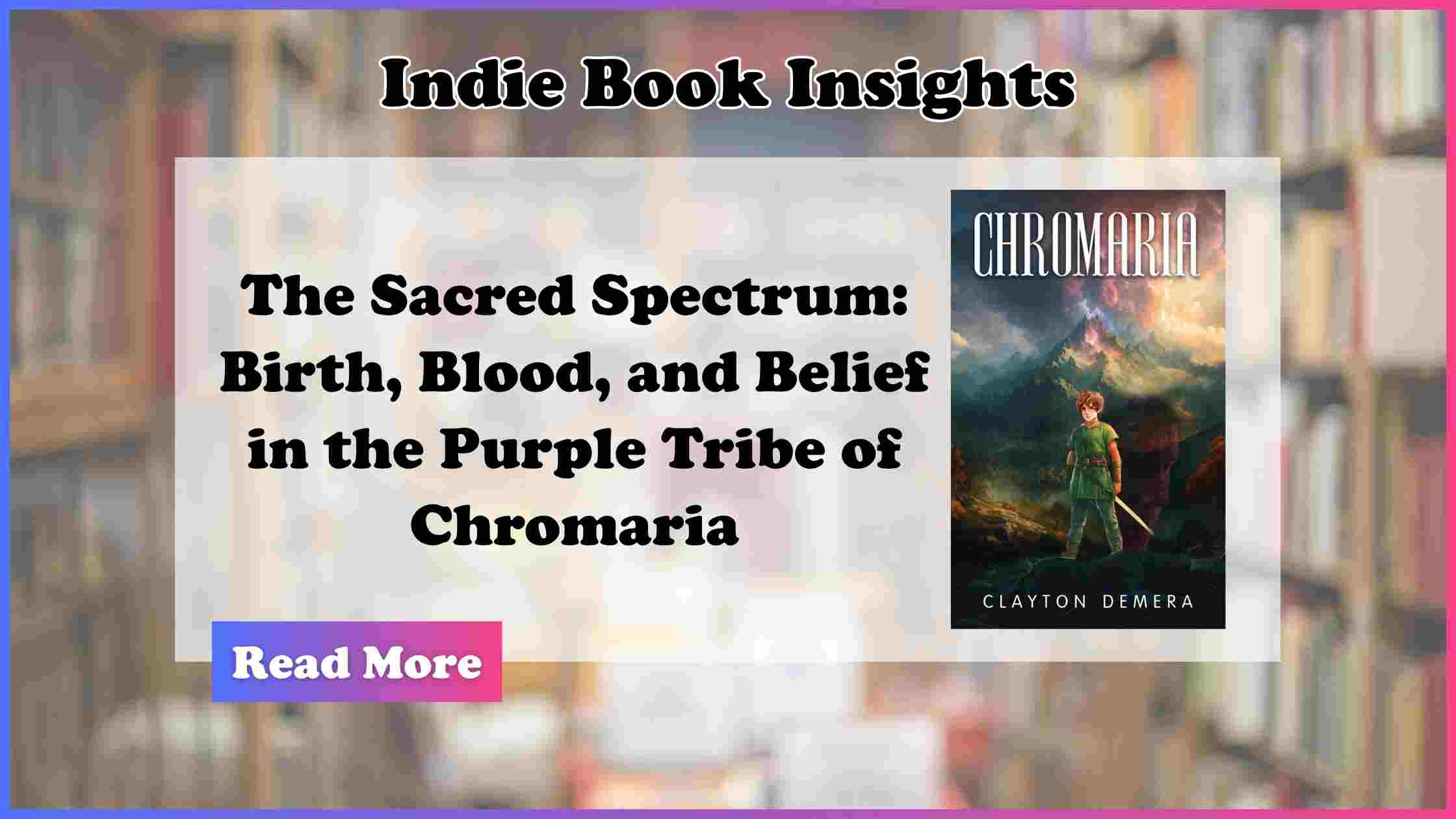
In the vivid and symbolically rich world of Chromaria by Clayton Demera, color is far more than a visual trait—it is divine identity, a cosmic signature that binds tribes to the Creator and each other. Among the many tribes, the Purple Tribe stands out, revered for their proximity to the Creator and entrusted with ancient rituals that bridge the spiritual and physical realms. One of the most profound of these rituals surrounds the birth and death of a tribe member, framing the entire cycle of life with reverence, sacred color, and cosmic purpose.
When a child is born to the Purple Tribe, an extraordinary celebration unfolds. But this is not merely a social gathering—it is a divine imperative. Within seven cycles—a sacred unit of time reminiscent of ancient lunar or solar patterns—the tribe must perform a ritual that is as symbolic as it is sacred. The child is lifted high before the assembly, raised toward the heavens in a posture that echoes ancient rites across Earth’s cultures. This lifting is not simply an act of joy, but of alignment—a visual declaration to the Creator that another soul has entered the covenant of Chromaria.
The pricking of the baby’s finger is a pivotal moment. This act is ritualistic and symbolic, revealing the color of the child’s blood, which defines their essence, their tribal connection, and their purpose. For the Purple Tribe, whose blood gleams with the richness of divine insight and spiritual leadership, this color is confirmation of sacred lineage. Yet, more than genealogy, it speaks to destiny—a chromatic beacon indicating the divine role this child is to play.
Guidance, prayer, and obedience are fundamental to maintaining the Creator’s favor, and the Purple Tribe’s responsibility to uphold these tenets is immense. When they gather at the mountaintop for seven cycles upon the birth of a child, they are not merely engaging in ritual—they are entering a dialogue with the divine. Instructions are received, holy obligations renewed. These acts ensure the continuing flow of divine favor, aligning the tribe’s spirit with the Creator’s vision.
Equally profound is the ritual at the end of a tribe member’s earthly life. Death is not an ending but a return—a sacred reintegration with the “color above.” When a tribesman dies, two fellow members must conduct a ceremony of worship. This duo does more than honor the departed; they intercede, becoming vessels of holy invocation. The deceased’s blood is pricked—a symbol of essence, purity, and connection—and a sacred prayer is spoken: “Creator, in your abundance of love and rich in mercy, please let this tribesman return to his color above with you.”
This prayer is both a plea and a proclamation. It acknowledges the Creator’s mercy and reaffirms the belief that every life is a fragment of celestial light, destined to return to the source. The “color above” is not just a metaphor for heaven—it is the soul’s origin, a chromatic essence held in the divine spectrum.
Chromaria does not present color as a passive identity but as sacred energy. Through the Purple Tribe’s rituals, Clayton Demera explores how birth and death are not opposites but sacred thresholds. Each ritual, from pricked blood to whispered prayer, is an affirmation of the eternal spectrum—the continuum of color and spirit that flows through the mountain, the tribes, and the Creator’s hands.