A key component of haunted home stories is isolation, which is essential for building tension and anxiety. Isolation increases psychological stress and makes characters more vulnerable by severing their ties to the outer world. This strategy not only amplifies the supernatural’s presence but also acts as a potent metaphor for existential dread and inner struggle.
This blog will help you understand the layers of meaning and storytelling techniques that make haunted home stories so engrossing.
The Psychological Impact of Physical Isolation:
The psychological condition of characters in haunted home stories is significantly impacted by their physical seclusion. Characters experience instant anxiety and powerlessness when they are cut off from the outer world. Being alone typically makes people more paranoid since everything seems like a threat, even shadows and sounds.
The psychological effects of being abandoned in a large, unsettling area with no way out are a potent suspense and horror-building device.
Architectural Isolation: The House as a Character
The haunted house’s layout and design are key factors in establishing a sense of seclusion. These homes are frequently situated in isolated locations, encircled by thick forests, or perched atop barren hills. There is no one to turn to for support or assurance when there is no communication with others.
A sense of entrapment may be enhanced by the architecture’s use of dark basements, secret chambers, and winding halls.
Social Isolation: Alienation and Estrangement
Another crucial component of haunted house stories is social isolation. Another layer of tension is added by the characters’ frequent feelings of separation and alienation from one another. To create the eerie and captivating mood that characterizes haunted home stories, seclusion is essential.
This seclusion may result from damaged bonds, mistrust, or just an excessive amount of stress in their surroundings.
Isolation as a Metaphor: Inner Demons and Personal Hauntings
In haunted home tales, isolation frequently represents deeper psychological issues and individual anxieties. The characters’ struggles with unresolved trauma, grief, guilt, and other forms of isolation are reflected in the house’s physical isolation. This deep and relatable dread is enhanced by the metaphorical usage of seclusion. Her own haunting, which deals with the loss and denial of her children’s fate, is paralleled by the haunting in the house.
The combination of psychological and physical seclusion results in a multi-layered story that has a profound emotional impact on the viewer.
If you are looking for a compelling read, ‘The Haunting of Hastings House‘ by Brynn Morgan is for you. The story is set in the atmospheric backdrop of South Carolina and transcends conventional ghost stories, weaving a rich tapestry of supernatural phenomena.
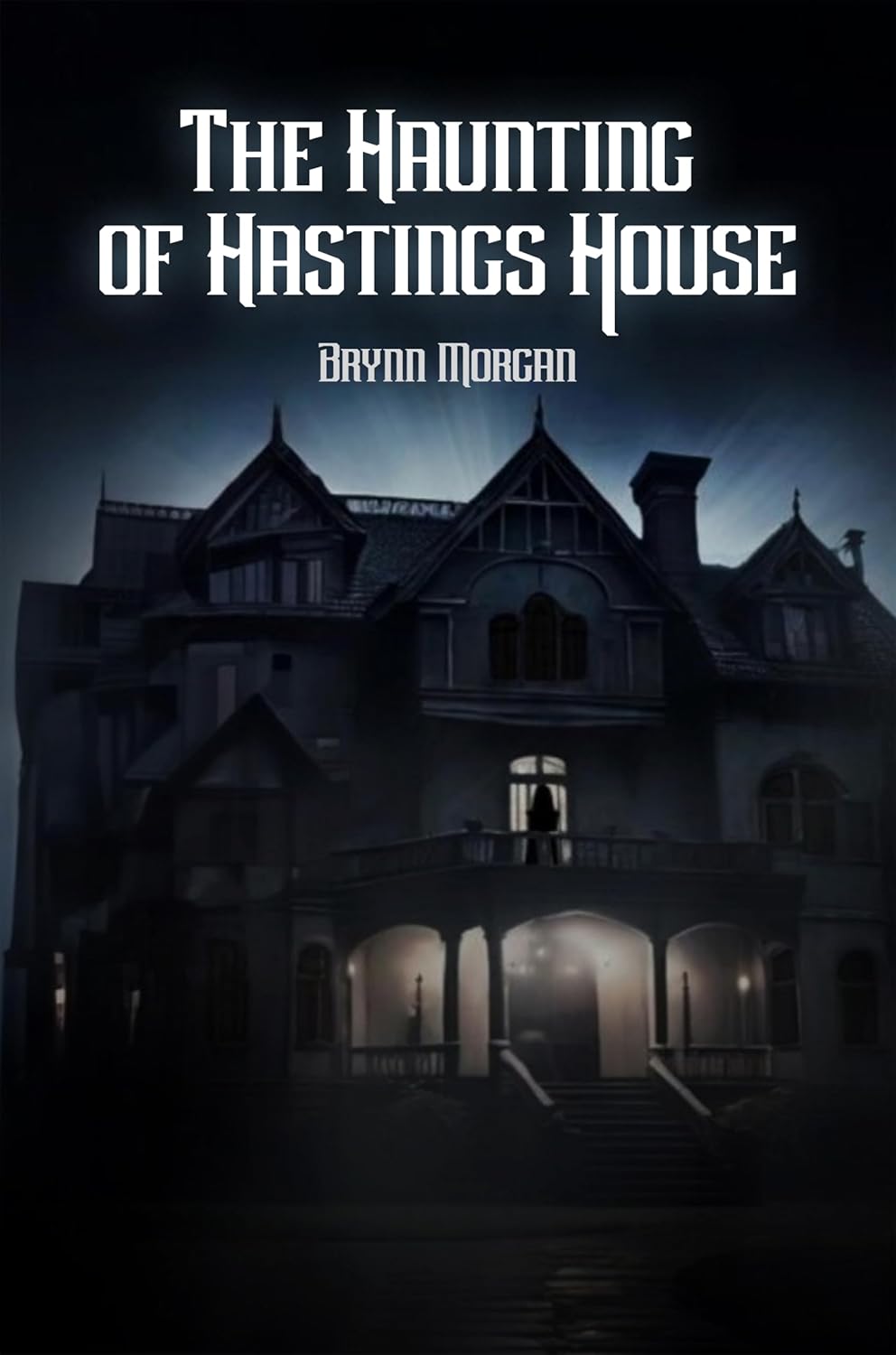
The story introduces the readers to the life of Emily Buchanan, a character struggling with loss who becomes entangled with the ghostly history of Hastings House. As Emily takes on the role of housekeeper at this historic mansion, she finds the violent spirit that has haunted the estate for centuries, seeking revenge.
‘The Haunting of Hastings House’ offers a fresh perspective on supernatural phenomena, exploring shapeshifting narratives, mythical beings, cosmic horrors, and spiritual intricacies. This novel invites you to challenge preconceptions and ignite your imagination.
Delve into the allure of architectural decay, the haunting beauty of abandoned structures, and the interplay of supernatural phenomena in a Southern Gothic setting. Discover the magic of blending haunting melodies with a rich narrative in ‘The Haunting of Hastings House.’
Brynn Morgan’s latest work is a captivating addition to your bookshelf, perfect for those who appreciate the allure of the supernatural and the magic of a well-crafted story. Don’t miss the chance and order your copy from Amazon today.