

When we think about inclusive schools, we often picture classrooms where students with different learning needs receive the support they deserve. But what about the teachers? Are schools creating equally supportive environments for educators with autism, ADHD, dyslexia or other neurological differences?
It is a question worth asking, especially as teacher burnout and staff retention remain significant concerns in education.
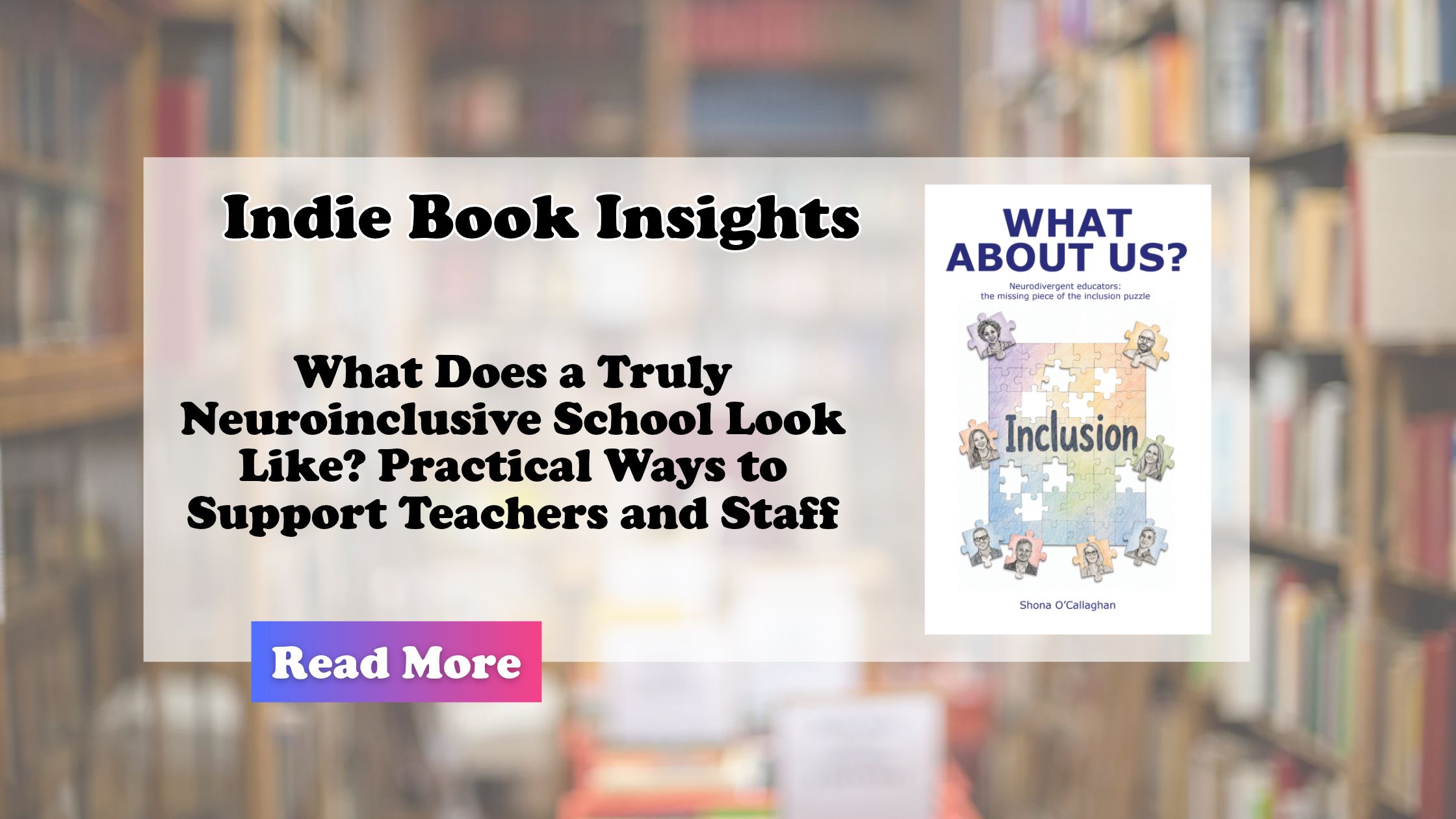
In her upcoming book, What About Us? Neurodivergent Educators: The Missing Piece Of The Inclusion Puzzle, author Shona O’Callaghan explores why genuine inclusion must extend beyond students to the people teaching them.
Through eight personal interviews and practical recommendations, she reveals how schools can become more welcoming workplaces for neurodivergent professionals.
Inclusion Begins With Listening to Teachers
A truly neuroinclusive school doesn’t assume every educator works, communicates or processes information in the same way.
Instead, school leaders recognise that individual needs vary and encourage honest conversations without judgment.
In O’Callaghan’s book, several educators describe feeling uncomfortable disclosing their neurodivergence because they feared being misunderstood or professionally disadvantaged.
This highlights an important challenge: teachers cannot always access meaningful support if they don’t feel psychologically safe discussing their experiences.
Creating a culture of trust, confidentiality and respect is therefore an essential starting point.
Small Workplace Adjustments Can Make a Big Difference
Not every improvement requires a major investment.
For some teachers, reducing harsh fluorescent lighting, providing quieter workspaces or offering written instructions can significantly improve their working experience.
Thomas, an autistic former primary school teacher featured in What About Us?, describes how sensory overload affected his energy levels. Something as simple as adjusting lighting during staff meetings helped him participate more comfortably.
Similarly, educators with dyslexia may benefit from assistive technology, additional preparation time or alternative ways to complete administrative tasks.
The key is to ask individuals what works for them rather than assuming one solution suits everyone.
School Leadership Must Move Beyond Awareness
Understanding neurodiversity is important, but awareness alone doesn’t create inclusive workplaces.
School leaders also need practical knowledge about reasonable adjustments, accessible communication and supportive management practices.
O’Callaghan’s interviews reveal how inconsistent leadership approaches can influence an educator’s confidence, performance and decision to remain in teaching.
Regular staff conversations, appropriate professional development and clearer workplace policies could help reduce these barriers.
Ultimately, inclusion should be embedded in everyday school practices rather than depending entirely on the goodwill of individual leaders.
Celebrate Different Teaching Styles and Strengths
Neuroinclusive schools don’t simply accommodate differences. They recognise the value those differences can bring.
Throughout O’Callaghan’s book, educators discuss how their neurological differences contributed to creative teaching methods, empathy, problem-solving and stronger connections with certain students.
For example, Jo describes using imaginative learning experiences, while Rosie explains how her dyslexia helped shape her understanding of children with additional learning needs.
Rather than expecting every teacher to follow identical approaches, schools can encourage professional flexibility and collaboration.
After all, different perspectives can enrich the entire learning environment.
Building an Inclusive Future Starts With Everyone
Creating neuroinclusive schools requires more than occasional training sessions or written policies. It involves listening, adapting, supporting staff and recognising that educators deserve the same consideration given to their students.
Shona O’Callaghan explores these ideas in What About Us? Neurodivergent Educators: The Missing Piece Of The Inclusion Puzzle, a thought-provoking book that challenges traditional approaches to educational inclusion.
Scheduled for release in the coming days, this insightful read invites teachers, school leaders, policymakers and education advocates to reconsider what genuine inclusion should look like.
Because a truly inclusive school isn’t just a place where every child can thrive. It is a place where every educator has that opportunity, too.