
Evolution is usually described through fossils, genetics, anatomy, and the gradual changes that shaped life across immense stretches of time. We study bones buried in rock, compare species, examine DNA, and reconstruct the paths that led from ancient organisms to the living world we know today.
But what if our connection to the past went further than physical inheritance?
Every human being is the result of an unbroken chain of survival. Our ancestors endured changing climates, predators, disease, competition, and extinction events. Some were mammals. Others lived long before mammals existed. Go far enough back and our history reaches creatures that swam through ancient seas.
We carry the results of that survival within us.
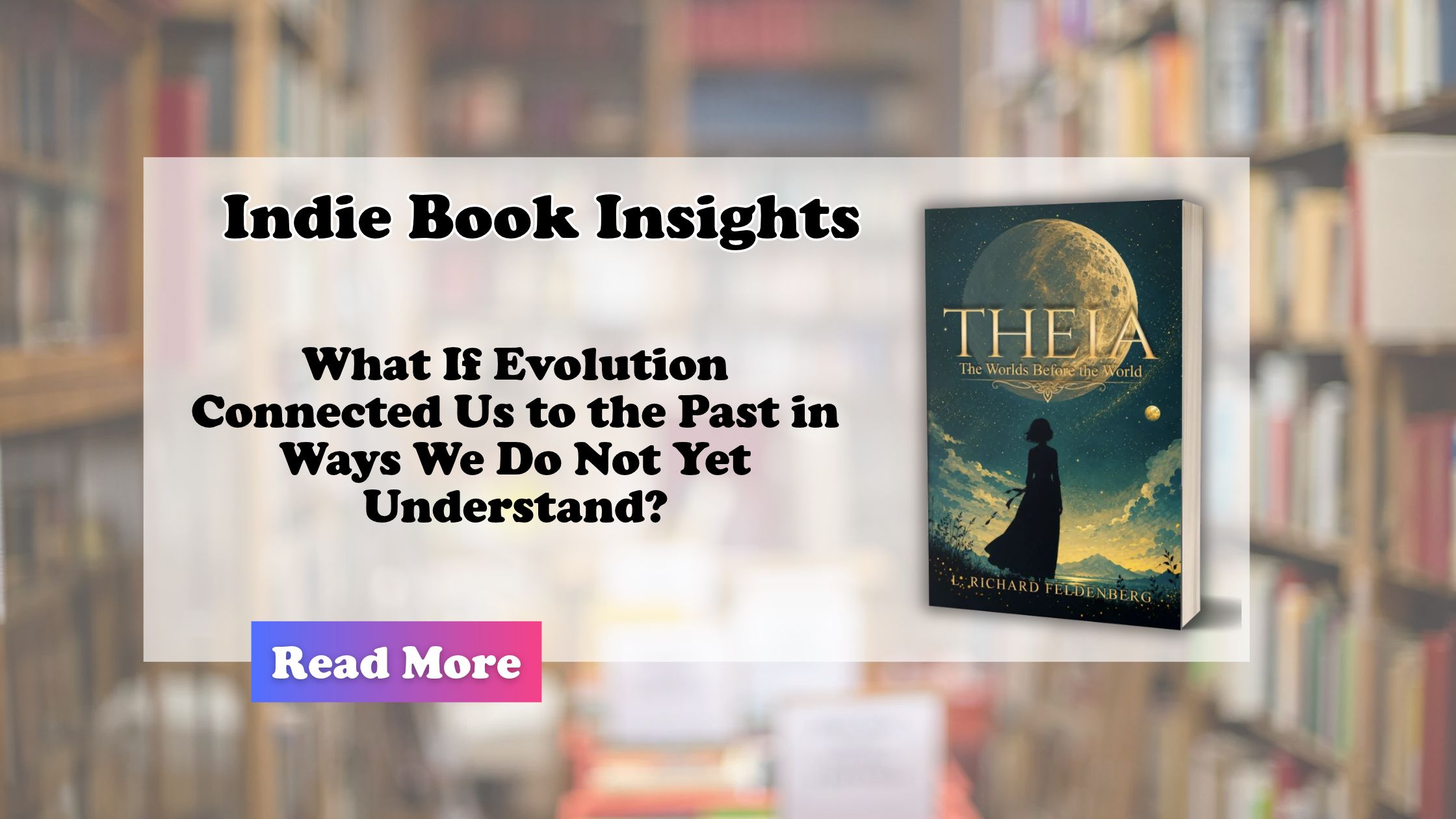
This idea becomes something much more personal in Theia, a science fiction novel that explores what might happen if evolutionary ancestry were not only biological, but something that could be experienced.
Theia Soul has been different for as long as she can remember. She communicates with companions who live in distant periods of Earth’s history. Some belong to worlds separated from hers by millions of years. Through their connection, she can witness their surroundings, sense danger, and experience moments of their lives almost as if she were there beside them.
To everyone else, these creatures belong to the distant past.
To Theia, they are friends.
Her unusual ability is connected to something called Prajna, a rare gift that links certain beings across evolutionary lines. The connection reaches through time, allowing descendants and ancestors to communicate in ways that challenge ordinary ideas about consciousness, memory, and the boundaries between living things.
The concept raises an intriguing possibility.
Evolution already connects every species through ancestry. The divisions between ancient life and modern life may feel enormous to us, but biologically, there is continuity. The creatures of the past were not simply strange animals that appeared and disappeared. Some belonged to the long sequence of lives that eventually led to us.
Theia asks what might happen if that continuity could somehow carry awareness as well.
Could information travel along an evolutionary line? Could an ancient creature experience something through a distant descendant? Could a person learn from an ancestor who lived before humans existed?
For Theia, those questions are not philosophical exercises. They become part of a growing mystery surrounding her identity and the reason she possesses these abilities.
The more she learns, the clearer it becomes that her connection to the past may have a purpose. The creatures who survived earlier disasters may hold lessons that matter to a world facing dangers of its own.
In Theia, evolution is not simply the story of where humanity came from.
It may also hold clues about where we are going.
Want To Discover More? Head Over To Our Website: https://www.librarything.com/profile/RichFeldenberg