
Family dysfunction rarely looks like a single moment of chaos. It is not just the loud argument, the slammed door, or the drunken night. It is the slow unravelling of safety, the erosion of trust, and the silent wounds that children carry long after the shouting has stopped. The true cost of dysfunction is often invisible, etched not on the walls of the home, but in the hearts of the children growing up inside it.
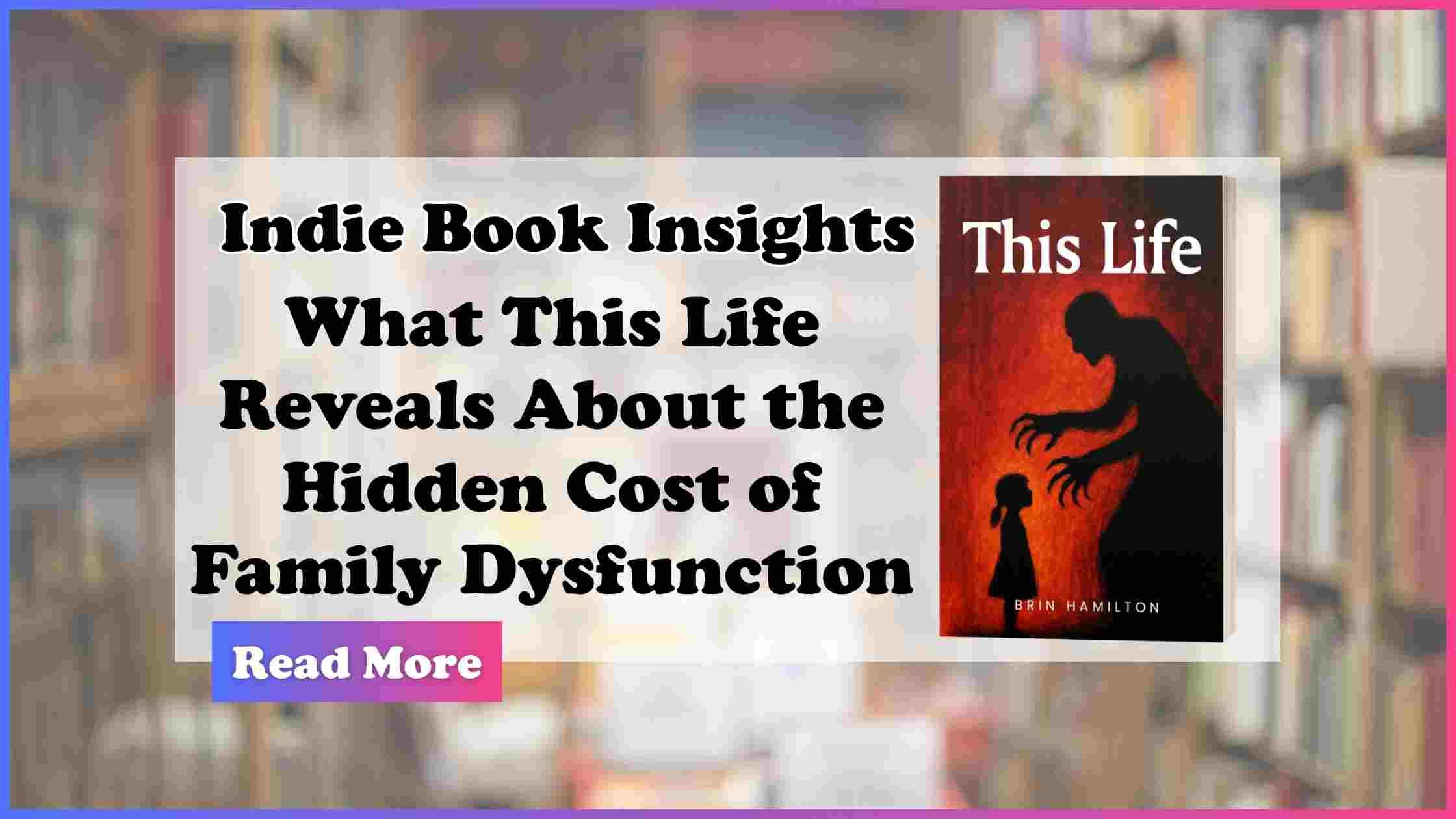
Brin Hamilton’s This Life captures this hidden cost with painful honesty through Callie’s story. Born into a household shaped by addiction, violence, infidelity, and neglect, Callie grows up learning lessons no child should ever have to learn. The dysfunction between her parents, Chas’s drinking, Corrine’s cruelty, and their constant fighting create an environment where fear becomes normal and emotional safety becomes impossible. For Callie, family is not a place of comfort but a battlefield she tiptoes through daily.
One of the most heartbreaking revelations in This Life is how dysfunction forces children to take on roles far beyond their years. Derek and Jodie, Callie’s older siblings, become her protectors. They feed her when their mother refuses, comfort her when the shouting becomes unbearable, and shield her from dangers she cannot yet understand. Instead of living their own childhoods, they are pushed into parenting roles, roles they never chose but carry because the adults in their lives won’t. This role reversal is one of the most damaging consequences of family dysfunction, and Hamilton brings it to life with raw authenticity.
Meanwhile, Callie develops in the shadows of infidelity and neglect. She listens to her mother’s lovers come and go. She watches her father struggle to stay sober long enough to care for her. She absorbs the anger, rejection, and instability, and, like many children in similar circumstances, she internalises the blame. Children in dysfunctional homes rarely say, “My parents are struggling.” Instead, they think, “Something must be wrong with me.” Hamilton illustrates this heartbreaking truth. Callie shrinks into herself, believing she is the cause of the chaos, not its victim.
The novel also reveals how dysfunction affects development beyond the emotional sphere. Callie struggles at school, unable to concentrate or connect with her peers. Her anger erupts in misunderstood ways. Her teachers see behaviour problems, but readers see the deeper truth: trauma is interrupting her ability to learn. Dysfunction doesn’t stay at home. It follows children into classrooms, friendships, and adulthood.
This Life demonstrates that family dysfunction is not just a private issue, but a generational one. Without intervention, its ripple effects can shape the future of every child involved. However, the book also highlights the power of compassion, as seen in teachers, neighbours, and foster parents who step in to break the cycle and remind children like Callie that love can still exist.
If you want to understand the hidden costs of family dysfunction and why noticing these signs matters, This Life is a powerful and essential read. Read this book, available on Amazon: https://www.amazon.com/dp/B0FSFZ2QSZ?/