Opera is often viewed as an art form reserved for formal theatres, experienced audiences, and lifelong enthusiasts. However, children’s opera proves that this powerful combination of music, storytelling, theatre, and imagination can inspire young minds in remarkable ways. Linda Suda’s children’s opera productions bring this timeless art form directly to students, showing that opera can be exciting, meaningful, and accessible for all ages.
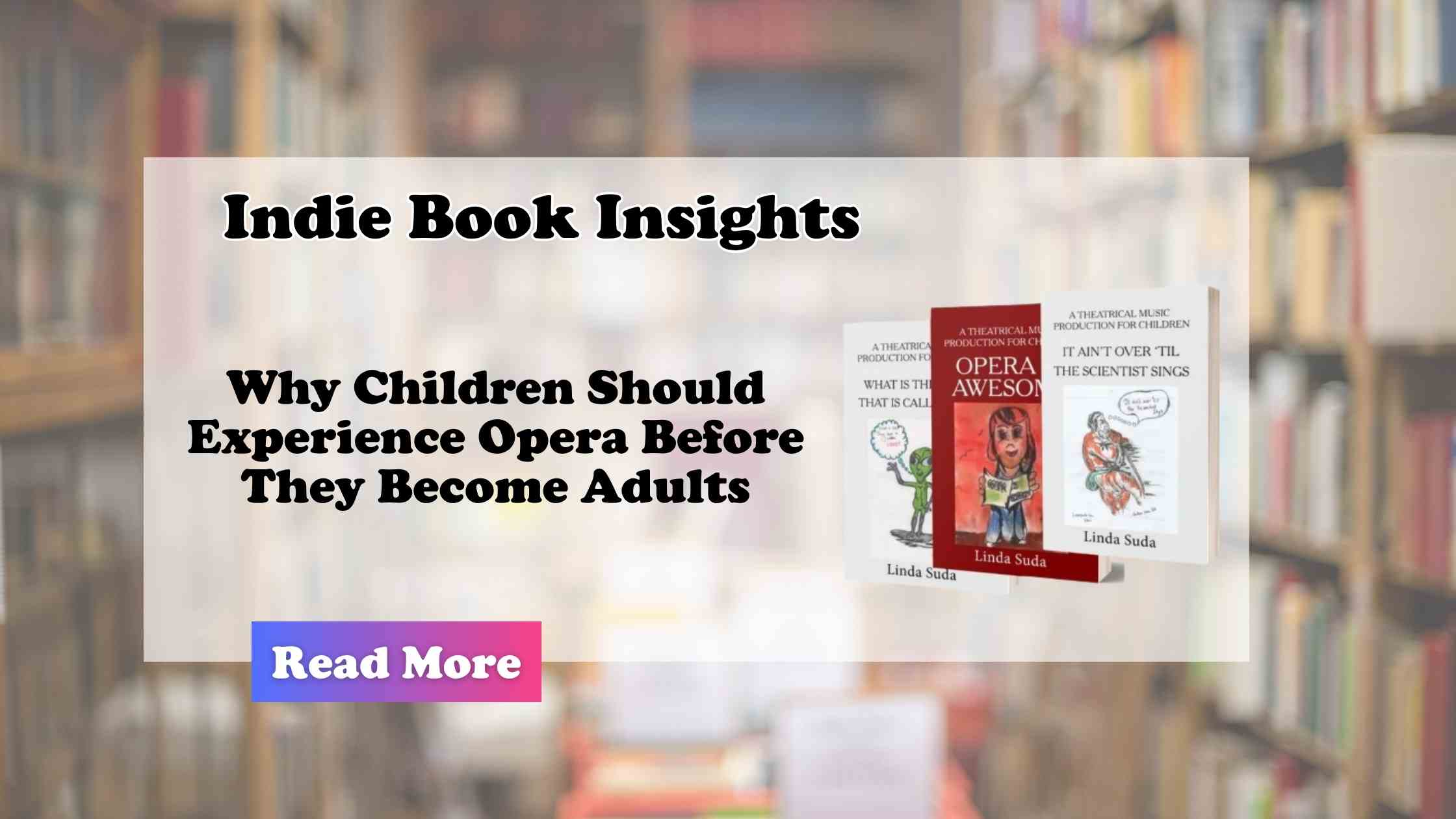
In What Is This Thing That Is Called Love?, children are introduced to opera through a playful journey that explores the many meanings of love. Through imaginative characters, humor, and familiar emotions, the production helps young audiences discover that opera is not simply about singing. It is about relationships, compassion, friendship, creativity, and understanding the world around us.
Experiencing opera as a child opens the door to a richer appreciation of music and performance. Young audiences learn how voices, instruments, movement, and storytelling work together to create something unforgettable. They discover that emotions can be expressed through melody, lyrics, and character, giving them a deeper connection to both the performers and the story.
Linda Suda’s work demonstrates that opera can also be an educational experience. Her productions introduce children to classical music while adapting the material into engaging performances designed specifically for young audiences. The result is an environment where students can learn about culture, history, language, and artistic expression while enjoying a theatrical experience.
Children who participate in or watch opera gain valuable skills beyond musical knowledge. Performing encourages confidence, teamwork, discipline, and communication. Students learn to listen carefully, work with others, and express themselves creatively. These lessons can influence how they approach challenges both inside and outside the classroom.
Opera also encourages curiosity. In Opera Is Awesome, children discover the connection between singing and the science of the human voice. Through entertaining characters representing parts of the vocal apparatus, students explore how the body creates sound and how technique influences performance. This approach transforms complex ideas into memorable experiences.
Another powerful message found in Linda Suda’s productions is that creativity connects different areas of learning. It Ain’t Over ’Til the Scientist Sings celebrates the relationship between the arts and sciences by highlighting great thinkers who used imagination alongside discovery. It reminds young audiences that creativity is essential in every field.
Introducing children to opera before adulthood allows them to see the arts as something they can enjoy, understand, and participate in. It removes the idea that classical music is distant or intimidating and replaces it with excitement and discovery.
Linda Suda’s children’s operas offer families, educators, and communities an opportunity to experience the magic of opera in a fresh and engaging way. These productions show that opera is not just a performance to watch. It is an experience that can inspire young people to dream, create, and explore the endless possibilities of their own imagination.