
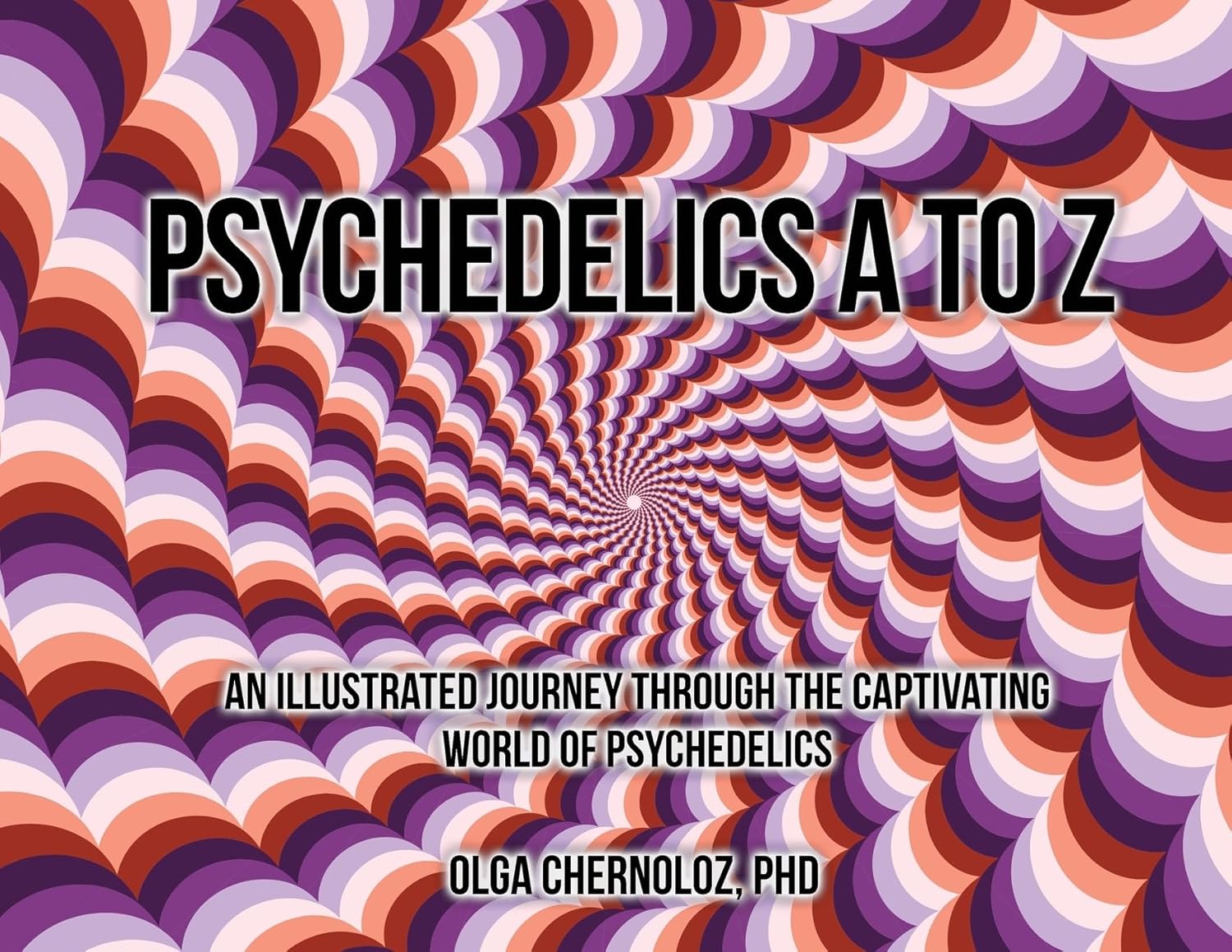
In recent years, research into psychedelics has revealed groundbreaking insights into how these substances impact the brain. Psychedelics such as psilocybin, MDMA, and LSD appear to affect brain structure and function in ways that may be beneficial for treating mental health conditions like PTSD and depression. Dr. Olga Chernoloz’s Psychedelics A to Z offers a thorough overview of the latest scientific findings, explaining how these substances influence neuroplasticity and may facilitate profound emotional and cognitive healing.
How Psychedelics Rewire the Brain
At the heart of recent discoveries is the concept of neuroplasticity—the brain’s ability to reorganize itself by forming new neural connections. Psychedelics seem to enhance this plasticity, particularly in regions associated with mood regulation, memory, and self-awareness. According to Psychedelics A to Z, psychedelics stimulate serotonin receptors, especially the 5-HT2A receptor, which plays a role in mood and cognition. This stimulation appears to increase connectivity across different brain regions, essentially “loosening” rigid thought patterns and allowing the brain to explore new perspectives.
Benefits for Mental Health
The increased neuroplasticity associated with psychedelics can have significant implications for mental health treatment. For individuals with depression, PTSD, or anxiety, thought patterns often become rigid, trapping them in cycles of negative thinking and emotional distress. Psychedelics, by enhancing neuroplasticity, may enable patients to break free from these cycles. Research has shown that psychedelics can facilitate “mystical experiences” or states of heightened consciousness, often leading to a sense of interconnectedness and deep emotional insight. In therapeutic settings, these experiences may help patients gain new perspectives on their trauma or depression, ultimately leading to long-lasting changes in behavior and well-being.
In Psychedelics A to Z, Dr. Chernoloz discusses the effectiveness of psychedelics in conjunction with therapy, where trained professionals guide patients through the experience and help them integrate insights gained. For example, MDMA-assisted therapy has shown promising results for PTSD, enabling patients to confront traumatic memories without overwhelming fear. Similarly, psilocybin-assisted therapy has demonstrated efficacy in reducing symptoms of depression, with some patients experiencing lasting relief after just a few sessions.
Long-Term Changes in Brain Structure
One of the most remarkable aspects of psychedelic treatment is its potential for long-term impact. Studies have shown that psychedelics may not only influence brain activity temporarily but can also lead to structural changes that last for weeks, months, or even years. For instance, psilocybin has been associated with increased dendritic growth—structures that connect neurons and allow for better communication within the brain. This growth may contribute to lasting improvements in mood and cognitive flexibility. Psychedelics A to Z offers readers a detailed look at these promising effects, bridging the gap between ancient plant wisdom and modern neuroscience.
The Future of Psychedelic Research
While the scientific community’s interest in psychedelics is surging, much remains to be learned about their mechanisms and long-term effects. Dr. Chernoloz advocates for continued research that respects both the therapeutic potential of psychedelics and the cultural heritage of indigenous practices. As understanding grows, psychedelics may become valuable tools not only for mental health but for enhancing self-awareness and emotional resilience.
For those interested in exploring the neuroscience of psychedelics further, Psychedelics A to Z by Dr. Olga Chernoloz is an essential resource. This book is a must-read for anyone looking to understand the science behind these powerful substances and their potential to heal and transform the mind.
Order your copy on Amazon: https://www.amazon.com/dp/1917667256.