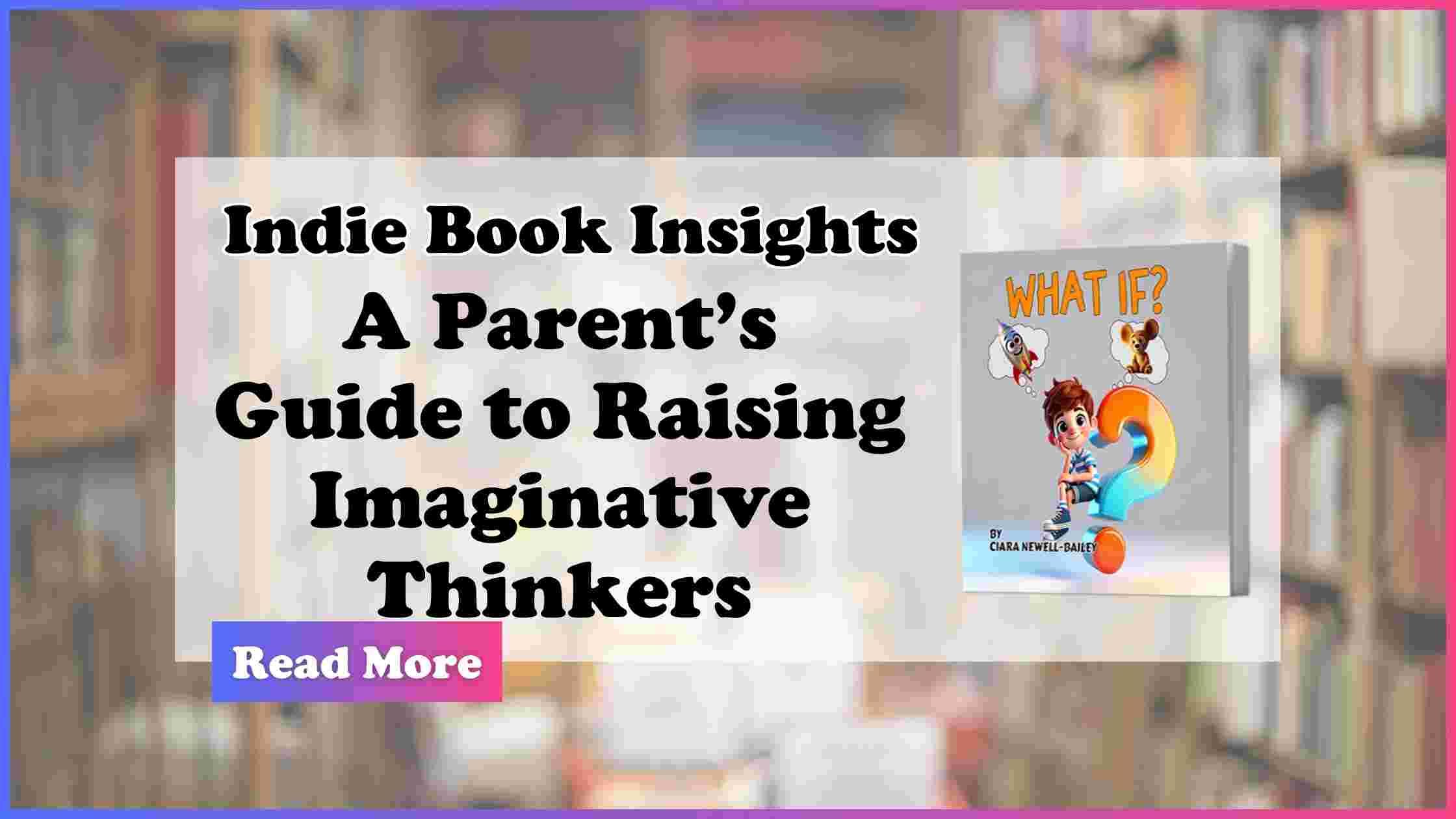
What if your child could see the world not just for what it is, but for what it could be? Imagination is more than daydreaming. It is the foundation of creativity, problem-solving, and emotional intelligence. From the moment children start asking questions, their imagination begins shaping how they see and understand life. Ciara Newell-Bailey’s children’s picture book, What If?, beautifully captures this spirit, inviting young readers to explore endless possibilities through playful “what if” questions.
In a time when screens and fast entertainment surround children, imagination can sometimes take a back seat. Yet nurturing it is easier than most parents think. It starts with how we talk, read, and play with our children. Encouraging imagination means creating space for wonder, a space where curiosity is celebrated rather than corrected.
- Read to spark questions, not just answers.
Books like What If? are ideal for developing imaginative thinking because they don’t give all the answers. Instead, they ask questions that invite curiosity. When reading together, pause and ask your child, “What do you think happens next?” or “How would you feel if that were real?” These small conversations turn reading into a shared creative experience. They show children that their ideas matter and that stories live in their imagination as much as on the page.
- Let art be about expression, not perfection.
Drawing, painting, and crafts help children give form to their thoughts. The goal is not to create something that looks “right” but to explore ideas freely. A child might draw a flying bicycle or a talking strawberry after reading What If?, and that’s where learning happens. Art gives children the confidence to experiment, make choices, and express emotions without fear of being wrong.
- Use everyday moments for creative conversation.
You don’t need structured activities to encourage imagination. The best ideas often come during ordinary moments, while walking to school or setting the table. Try asking, “What if the clouds could talk today?” or “What if your toast could tell a story?” Such playful questions invite laughter, critical thinking, and empathy. They also help children see creativity as a part of everyday life, not something reserved for special times.
- Celebrate curiosity over correctness.
When your child shares an imaginative thought, resist the urge to correct it. Instead, explore it with them. Ask why they think that way or what might happen next. It reinforces that thinking differently is valuable. Imagination grows when children feel safe to express unusual or bold ideas.
- Model creativity yourself.
Children learn most from what they see. When parents show curiosity, by telling stories, writing little notes, or imagining silly “what if” scenarios, children follow suit. Creativity is contagious when shared with joy and openness.
Raising imaginative thinkers doesn’t require complicated lessons or expensive toys. It begins with simple acts of curiosity and encouragement. Every question, story, or doodle can become a doorway to learning and connection.
To explore this beautiful journey of creativity with your child, discover Ciara Newell-Bailey’s What If?, a heartwarming picture book that reminds families everywhere that imagination is the key to brighter, kinder minds.
This book is now available on Amazon: https://www.amazon.com/dp/1968296352.