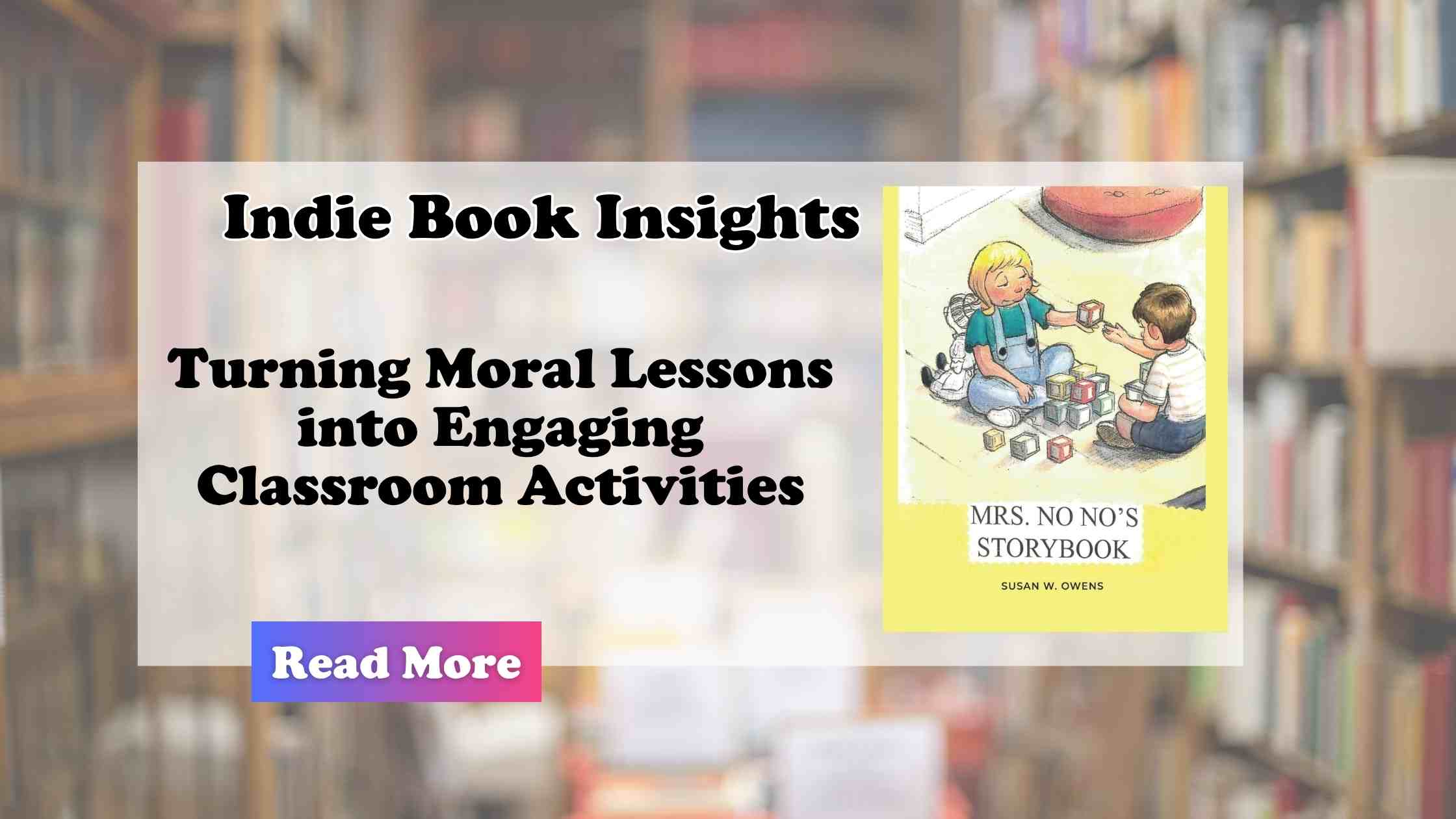
Teaching values in the classroom can often feel like a challenge. While lessons on honesty, respect, and responsibility are essential, keeping students engaged while learning these concepts requires a thoughtful approach. Children respond best when learning feels active, meaningful, and connected to their daily lives. Mrs. No No’s Storybook by Susan W. Owens provides a strong foundation for turning moral lessons into interactive classroom experiences that truly resonate.
Stories hold a unique place in learning because they allow children to see themselves in real situations. Instead of being told what is right or wrong, students watch characters make choices and experience the results. This creates a natural pathway for discussion and reflection. When a story becomes the starting point, it opens the door to activities that bring those lessons to life.
One effective way to build engagement is through role play. After reading Mrs. No No’s Storybook, students can act out scenes where they face similar decisions. Whether it is sharing with a classmate, listening to a teacher, or choosing kindness over frustration, these moments allow children to practice behavior in a safe and supportive setting. Acting out situations helps them understand not just what to do, but how it feels to make the right choice.
Another approach is guided discussion. Asking simple questions encourages students to think deeper about their actions. What would you do in this situation? How would your choice affect someone else? These conversations help children develop awareness and build confidence in their decision making. When tied to a familiar story, these discussions become easier and more meaningful.
Creative activities also play a key role. Drawing, writing, or crafting projects based on the story can reinforce important ideas. Students might create their own version of a guiding character like Mrs. No No, giving it a name and personality. This personal connection makes the lesson more memorable and gives children a sense of ownership over their behavior.
Repetition through short, engaging exercises helps strengthen these lessons. Simple chants, movements, or daily reminders can be incorporated into the classroom routine. When students repeat positive messages regularly, those ideas begin to shape their habits. The rhythm and simplicity of these activities make them easy to remember and enjoyable to practice.
Group activities provide another opportunity for growth. Working together on tasks encourages cooperation and respect. Whether building something as a team or solving a problem together, students learn to listen, share, and support one another. These experiences reinforce the idea that good behavior benefits everyone, not just the individual.
Consistency is what brings all these elements together. When moral lessons are woven into daily classroom life rather than taught as separate topics, they become part of the environment. Referring back to Mrs. No No’s Storybook during different situations helps students connect their actions to the story’s message. This creates a sense of continuity that strengthens understanding.
Teachers also benefit from this approach. Instead of relying on repeated correction, they can guide behavior by referencing shared lessons. This shifts the focus from discipline to growth, creating a more positive and supportive atmosphere for learning.
Mrs. No No’s Storybook by Susan W. Owens is more than a reading experience. It is a practical tool that helps educators turn important values into engaging, everyday activities. Its simple structure and relatable message make it easy to adapt for different classroom settings, ensuring that students not only hear about good behavior but actively practice it.
When moral lessons are brought to life through interaction, creativity, and shared experiences, they leave a lasting impression. With the support of Mrs. No No’s Storybook, classrooms can become spaces where values are not just taught but lived, shaping students into thoughtful and responsible individuals.
Explore this book now, available on Amazon: https://www.amazon.com/dp/B0FPPJX6DR.