
The study of human identity is at a turning point. For generations, dominant frameworks have drawn heavily from a narrow range of intellectual traditions, often centered on Western philosophical assumptions. These models have shaped how identity is defined, analyzed, and debated across disciplines. Yet, as the world becomes more interconnected, the limitations of a single perspective are becoming increasingly clear. A broader, more inclusive approach is no longer optional. It is necessary.
Intercultural philosophy offers a path forward. It does not reject existing traditions but expands the conversation by bringing diverse worldviews into dialogue. Instead of treating one system of thought as universal, it recognizes that different cultures hold distinct yet valuable insights into what it means to be human. Identity, in this sense, is not a fixed concept but a field of inquiry shaped by multiple voices.
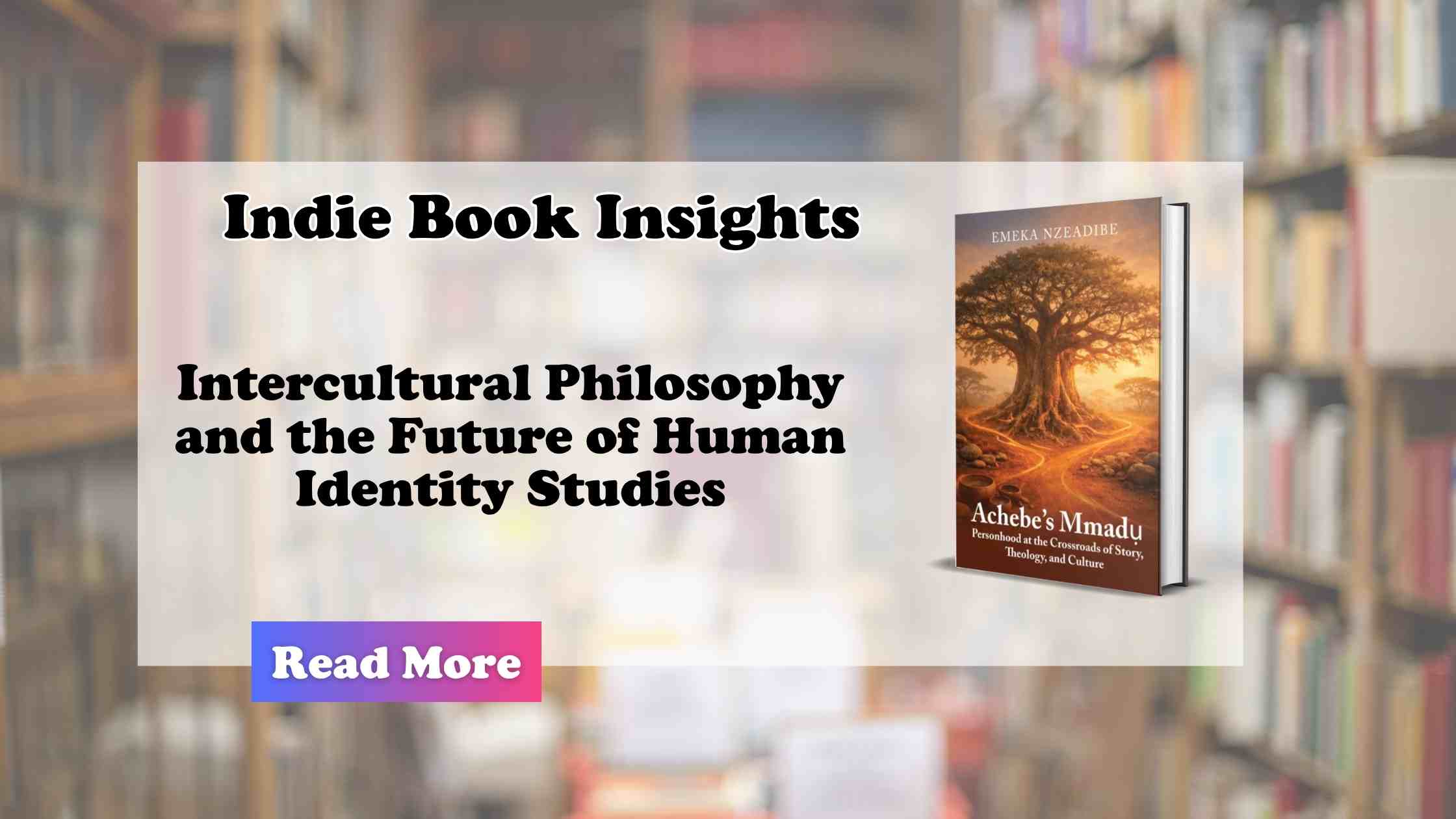
This shift is central to Achebe’s Mmadụ: Personhood at the Crossroads of Story, Theology, and Culture by Emeka Nzeadibe. The book positions the Igbo understanding of the human person within a global intellectual conversation, showing that identity cannot be fully understood through a single cultural lens. It demonstrates how alternative frameworks can deepen and challenge established assumptions, offering a more complete view of human existence.
At the heart of this approach is the recognition that identity is complex. It cannot be reduced to individual autonomy, biological existence, or social classification alone. It involves relationships, history, culture, and a sense of purpose that extends beyond immediate experience. Intercultural philosophy brings these dimensions together, allowing for a richer and more layered understanding.
One of the key contributions of this perspective is its emphasis on relational identity. In contrast to models that prioritize independence, intercultural thought highlights connection. The human person is seen not as isolated but as part of a network that includes others, the environment, and, in many traditions, a spiritual dimension. This does not diminish individuality. It situates it within a broader context that gives it meaning.
This expanded view has important implications for the future of identity studies. It challenges rigid definitions and encourages flexibility. It invites scholars to move beyond categories that separate cultures into isolated units and instead explore how ideas interact, overlap, and inform one another. Identity becomes a dynamic process rather than a static label.
Another significant aspect of intercultural philosophy is its ability to address gaps in existing frameworks. Many current models struggle to account for experiences that fall outside their original scope. By incorporating diverse perspectives, identity studies can better reflect the realities of a global society. This inclusiveness does not weaken the field. It strengthens it by making it more accurate and relevant.
The future of human identity studies will depend on this openness. As cultures continue to interact and influence one another, the need for dialogue becomes more pressing. Intercultural philosophy provides the tools for this engagement. It encourages listening, comparison, and critical reflection, creating space for new insights to emerge.
What makes Achebe’s Mmadụ: Personhood at the Crossroads of Story, Theology, and Culture particularly valuable in this context is its ability to bridge worlds. It brings together literature, philosophy, and theology to present a vision of identity that is both rooted and expansive. By engaging with the Igbo concept of personhood, the book offers a perspective that speaks beyond its cultural origin and contributes to a wider conversation about humanity.
Intercultural philosophy does not provide a final answer. It opens a space where deeper understanding becomes possible. And in that space, the future of human identity studies begins to take shape.
For More Details: https://www.librarything.com/profile/EmekaNzeadibe