

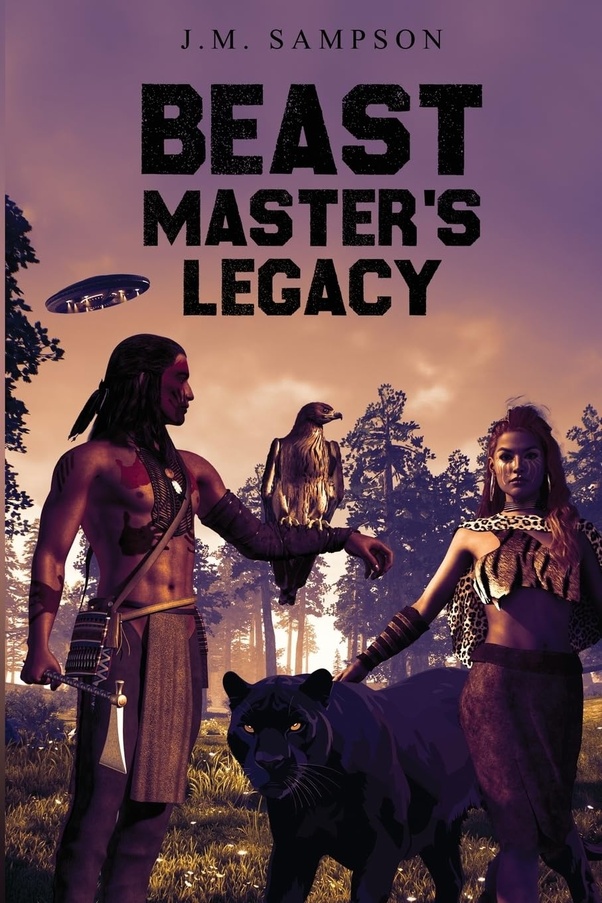
In Beast Master’s Legacy by J.M. Sampson, the confederation of planets forms the backdrop of a politically complex galaxy where alliances and rivalries shape the narrative. The book explores how diverse species and civilizations come together to maintain order, mediate disputes, and protect their shared interests—an echo of real-world alliances like the United Nations. Through its depiction of galactic politics, the novel provides insight into the challenges and opportunities of uniting disparate groups under a common goal.
The Confederation of Planets: Unity Amid Diversity
The confederation of planets in Beast Master’s Legacy is an interstellar alliance formed to promote cooperation and prevent conflict among its member worlds. Comprised of diverse species with unique cultures, technologies, and agendas, the confederation serves as both a governing body and a mediator in disputes. This alliance embodies the struggle to balance collective interests with individual sovereignty, a recurring theme in both science fiction and real-world politics.
Throughout the novel, the confederation faces challenges in maintaining unity. Political tensions arise from the differing priorities of its members, such as the Zacathians’ focus on knowledge and exploration versus the militaristic strategies of other species. The Xiks, a rogue faction, further complicate matters by rejecting the confederation’s authority, highlighting the difficulties of enforcing collective agreements in a vast and decentralized galaxy.
Political Tensions and Alliances: A Fragile Balance
One of the key conflicts in the novel centers on Cade Storm’s mission to navigate the political tensions between the confederation and the Xiks. As the Xiks leverage advanced teleportation technology to destabilize regions of space, the confederation must respond with diplomacy and strength. Cade’s role as a Beast Master places him at the intersection of these tensions, forcing him to balance his personal mission with the broader political implications of his actions.
The confederation’s struggle to maintain peace and stability mirrors the challenges faced by real-world political alliances like the United Nations. Just as the UN must address the conflicting interests of its member states while upholding international law, the confederation grapples with unifying species that often have little in common beyond their shared need for survival. Both institutions demonstrate the importance—and fragility—of alliances built on mutual cooperation.
Lessons from Fiction: The Value of Collaboration
Through the confederation, Beast Master’s Legacy underscores the value of collaboration in overcoming shared challenges. The novel highlights that unity is not achieved by erasing differences but by finding common ground. In this way, the confederation serves as a hopeful vision of what interstellar alliances—and real-world cooperation—can achieve when guided by mutual respect and shared goals.
By drawing parallels between the confederation and the United Nations, Sampson’s novel invites readers to reflect on the strengths and limitations of political alliances. Whether navigating the vastness of space or the complexities of Earth, the lesson is clear: unity is a powerful force, but it requires constant effort, compromise, and vigilance to sustain.