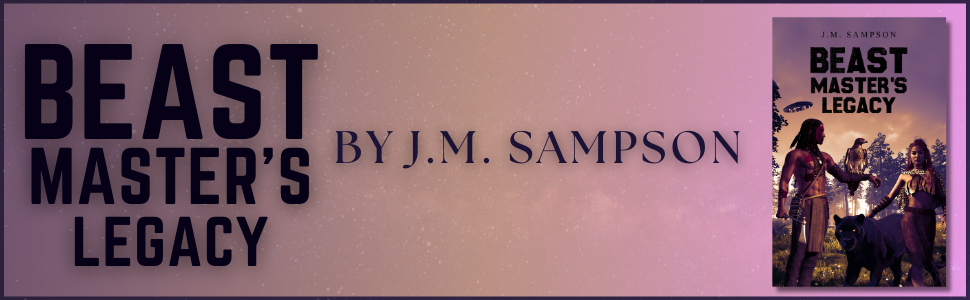
Mentors are pivotal figures in science fiction, often guiding protagonists toward their destinies. In J.M. Sampson’s Beast Master’s Legacy, Captain Sartre fulfills this role, shaping Cade Storm’s journey even after his death. Through his final wish, Sartre imparts lessons of responsibility, courage, and self-discovery, aligning him with other iconic mentors in literature and film.
Sartre’s Lasting Influence
Captain Sartre’s deathbed request is simple yet profound: he asks Cade to care for his animal team and to find them a safe home. This mission is more than a practical task—it is Sartre’s way of bestowing trust and faith in Cade, challenging him to rise above his self-doubt. Despite Cade’s initial reluctance, Sartre’s words ignite a sense of duty in him, ultimately propelling his transformation from a lost drifter to a capable leader.
Sartre’s role as a mentor transcends life itself. His trust in Cade mirrors that of a teacher confident in their student’s potential. This posthumous mentorship serves as a catalyst for Cade’s growth, reminding readers that a mentor’s influence can extend far beyond their presence.
Mentorship in Sci-Fi: Comparisons
Sartre’s role is reminiscent of other famous mentors in science fiction. Obi-Wan Kenobi in Star Wars, for instance, guides Luke Skywalker with wisdom that continues even after his death. Similarly, Dumbledore in the Harry Potter series leaves behind lessons and tools for Harry to use long after he’s gone. Sartre’s legacy, much like these iconic figures, is not in his physical actions but in the values he instills.
However, Sartre’s mentorship is unique in its practicality. His request is not about saving the galaxy but about protecting a small team of animals. This grounded, personal mission underscores the importance of everyday responsibilities as stepping stones to greater achievements.
Lessons from Sartre
Sartre’s mentorship in Beast Master’s Legacy teaches that belief in others can inspire them to believe in themselves. By entrusting Cade with his legacy, Sartre sets him on a path of self-discovery and redemption. This echoes universal truths about mentorship: the best mentors inspire independence, resilience, and the courage to embrace one’s potential.
In the end, Sartre’s role highlights the enduring power of guidance, whether from a mentor’s living presence or their memory. His legacy becomes Cade’s foundation, demonstrating that even in the uncharted vastness of space, a mentor’s impact can illuminate the path forward.