

Nursing is often described as one of the most demanding professions in the world. Every day, nurses face situations that require quick thinking, emotional resilience, and the ability to remain calm when lives are on the line. Whether responding to a medical emergency, comforting a frightened family, or making critical decisions under intense pressure, nurses are expected to perform at their best even during the most challenging moments.
While clinical knowledge and technical skills are essential, they are only part of the equation. The ability to stay composed during stressful situations is equally important. This quality, often referred to as mental toughness, helps nurses maintain focus, manage emotions, and make sound decisions when every second matters.
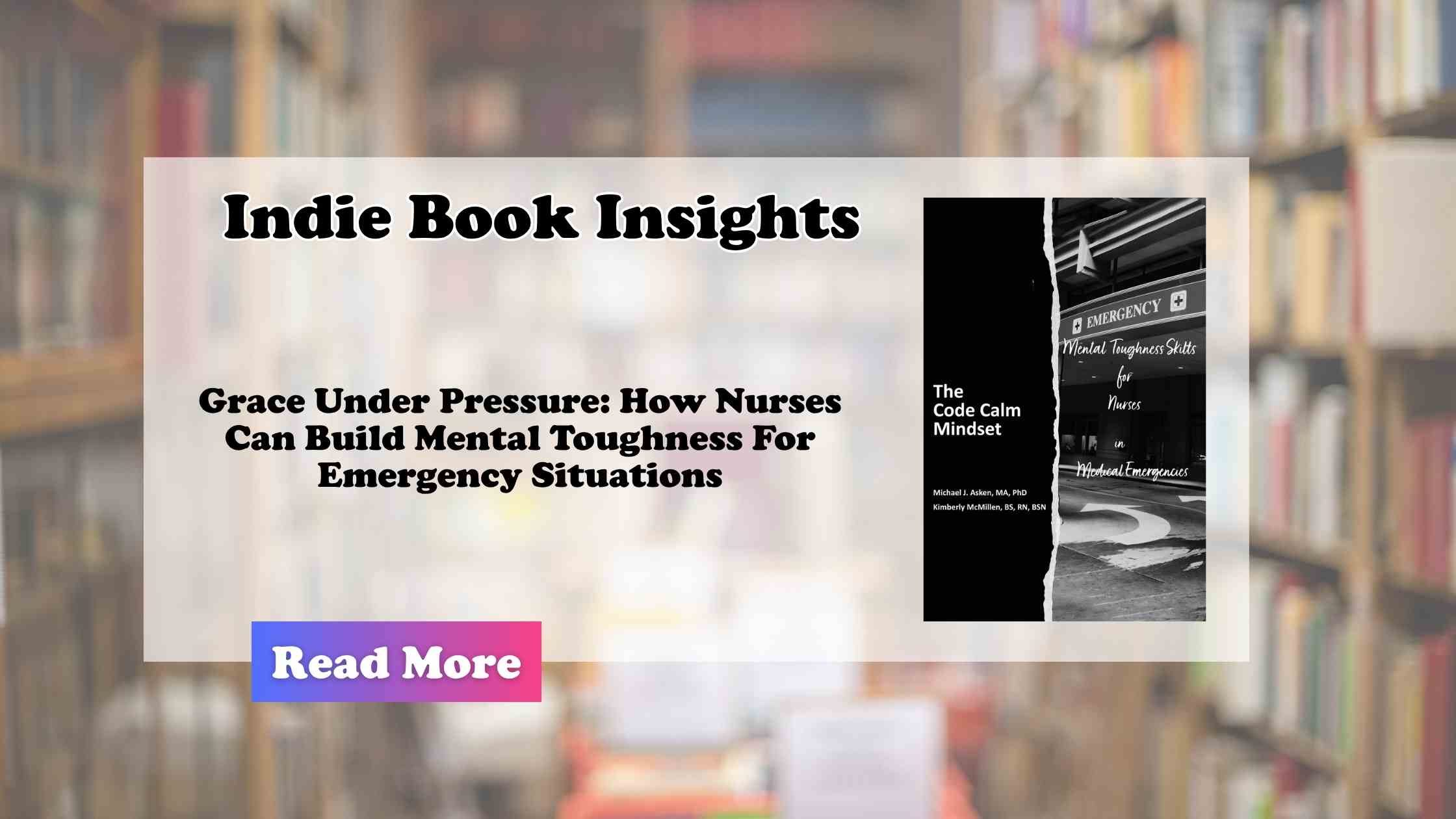
In The Code Calm Mindset, author Michael J. Asken explores the idea that mental toughness is not an inborn trait reserved for a select few. Instead, it is a set of psychological skills that can be learned, practiced, and strengthened over time. Just as nurses train to master medical procedures, they can also train their minds to perform more effectively under pressure.
One of the most valuable aspects of mental toughness is confidence. Confidence does not mean believing that nothing can go wrong. Rather, it means trusting your training, preparation, and ability to respond effectively regardless of the outcome. Nurses who develop this mindset are often better equipped to navigate uncertainty and maintain control during emergencies.
Mental rehearsal is another powerful tool. Athletes, military personnel, and other high-performing professionals have long used visualization techniques to prepare for demanding situations. By mentally practicing emergency responses before they occur, nurses can improve focus and reduce hesitation when real crises arise. According to The Code Calm Mindset, these psychological strategies can help transform anxiety into purposeful action.
Equally important is learning how to manage stress in the moment. Deep breathing, positive self-talk, and maintaining attention on the task at hand can help prevent overwhelming emotions from interfering with performance. These techniques may seem simple, but their impact can be significant when applied consistently.
The human side of nursing should never be overlooked. Nurses are not machines; they are people who experience fear, fatigue, disappointment, and emotional strain. Building mental toughness is not about suppressing feelings or becoming detached. Instead, it is about developing the resilience needed to continue providing compassionate care even during difficult circumstances. Michael J. Asken emphasizes that mental strength and empathy are not opposites—they work together to enhance patient care.
Physical well-being also plays a role in psychological performance. Adequate sleep, regular exercise, and healthy recovery habits can improve focus, energy, and emotional stability. These factors help create the foundation upon which mental toughness is built.
Ultimately, the lessons presented in The Code Calm Mindset remind us that excellence in nursing involves both skill and mindset. Through preparation, self-awareness, and consistent practice, nurses can cultivate the confidence and resilience needed to demonstrate grace under pressure. As Michael J. Asken illustrates, mental toughness is not just about surviving emergencies—it is about thriving in the moments when patients need their caregivers most.
Available On Amazon: https://www.amazon.com/dp/B0CQF13ZRH/