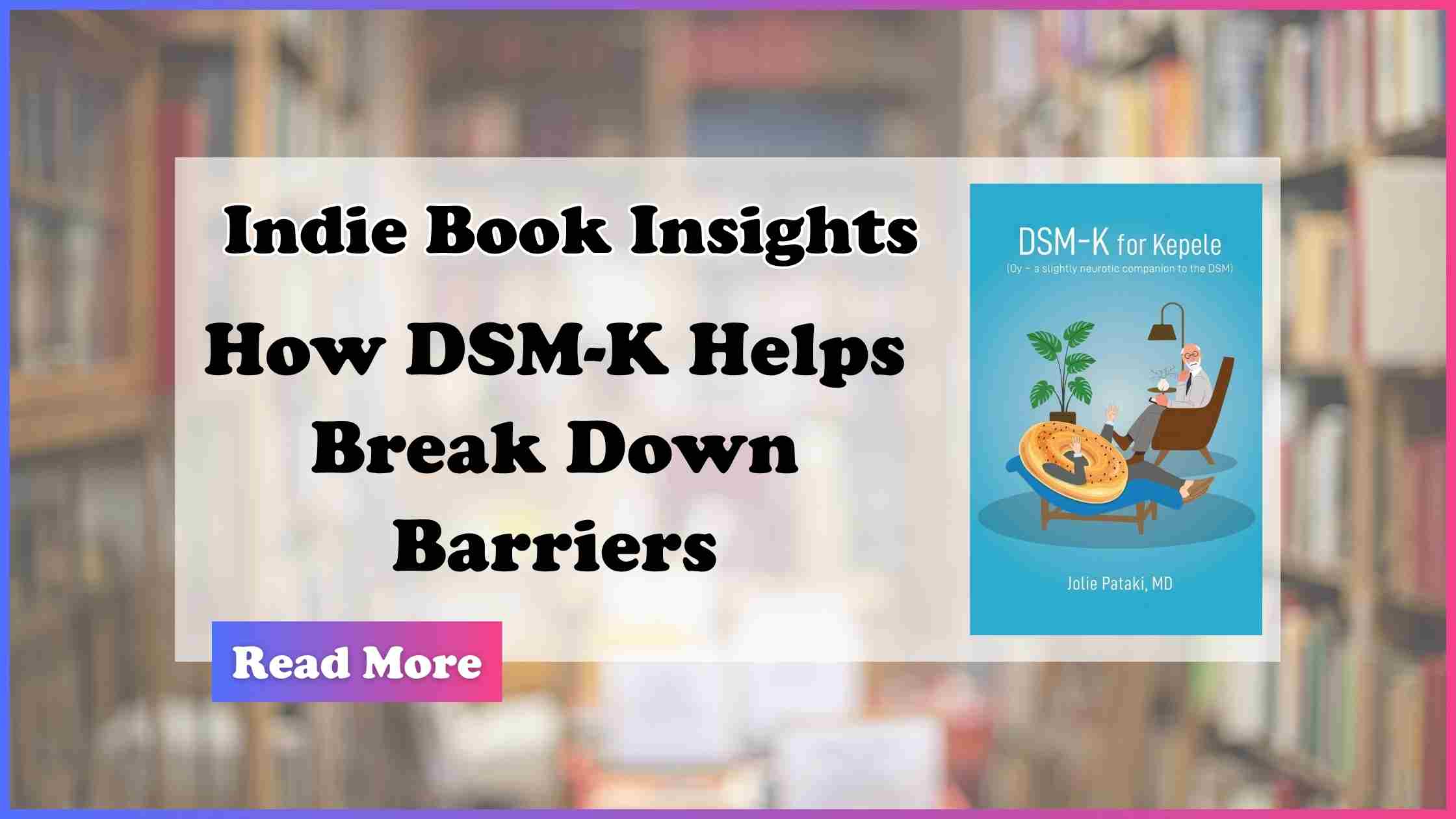
Mental health has always carried barriers. Some of these are practical, like access to care or the cost of treatment. Others are emotional, like stigma, fear, or the feeling that psychiatry is distant and intimidating. That is why books that make psychiatry approachable are so valuable. DSM-K for Kepele by Dr. Jolie Pataki is one such book.
By blending psychiatry with Yiddish humor, it breaks down barriers in surprising and deeply effective ways.
The first barrier is language. Psychiatry relies on precise clinical terms, but to many people, those terms sound confusing or cold. A patient may not say they are experiencing “generalized anxiety disorder.” Instead, they might say they are nervous all the time or feel like they are going to “plotz.” By reframing diagnoses with familiar, expressive Yiddish words, Dr. Pataki shows how humor can make mental health language more human. Suddenly, a reader can recognize themselves in “Kvetch Disorder” or laugh in recognition at “Folie-A-Jew.”
The second barrier is stigma. Too often, people hesitate to talk about mental health because they fear being judged. Humor softens that fear. If you can laugh at your quirks, it becomes easier to admit them. DSM-K for Kepele invites readers to laugh together at universal mishegos. In doing so, it turns private struggles into shared experiences. This does not erase the seriousness of mental illness, but it creates a safer space to begin conversations.
There is also a cultural barrier. Psychiatry is sometimes seen as detached from everyday life and tradition. But DSM-K for Kepele reminds us that culture and humor are inseparable from how people understand themselves. By rooting psychiatric insights in Yiddish expressions, Dr. Pataki bridges the gap between medical knowledge and lived experience. Readers from Jewish backgrounds find cultural pride, while others find joy in learning expressions that capture human behavior in ways English rarely can. Either way, the book connects across boundaries.
Another way the book breaks barriers is through accessibility. Not everyone will read a psychiatric textbook, but many will pick up a book that promises laughter. That entry point matters. Once someone is laughing at “Post Traumatic Shlepping Disorder” or nodding along to “Nudnik Disorder,” they are also thinking about the real issues behind those jokes. The humor opens the door, and the insight keeps them engaged.
Finally, the book breaks the barrier between professionals and lay readers. Mental health professionals will recognize the parody of diagnostic manuals and enjoy the wit. At the same time, general readers will see their families, neighbors, and even themselves reflected in the playful diagnoses. This shared enjoyment helps bridge the gap between experts and the public, making psychiatry feel less like an exclusive club and more like a shared conversation.
What makes DSM-K for Kepele so effective is that it never forgets the humanity behind the humor. Each playful diagnosis is grounded in real behavior, cultural truth, and a touch of compassion. By laughing, readers are reminded that they are not alone in their quirks. And by reducing distance, stigma, and formality, the book helps break down some of the biggest barriers that keep people from engaging with mental health.
For anyone curious about psychiatry but hesitant to approach it, this book is a perfect starting point. It proves that mental health can be discussed with honesty, respect, and a healthy dose of laughter. DSM-K for Kepele shows us that sometimes the best way to understand ourselves is with a little mishegos and a lot of humor.
Head to Amazon to purchase your copy: https://www.amazon.com/dp/1968966498/.