
Modern workplaces are changing quickly, and many organizations are adopting intelligent tools faster than they can understand their full impact on workers. The result is a new class of workplace risk: stress from constant monitoring, loss of autonomy, mental overload, unclear decision systems, privacy concerns, physical strain near robotics, and growing distrust between employees and leadership.
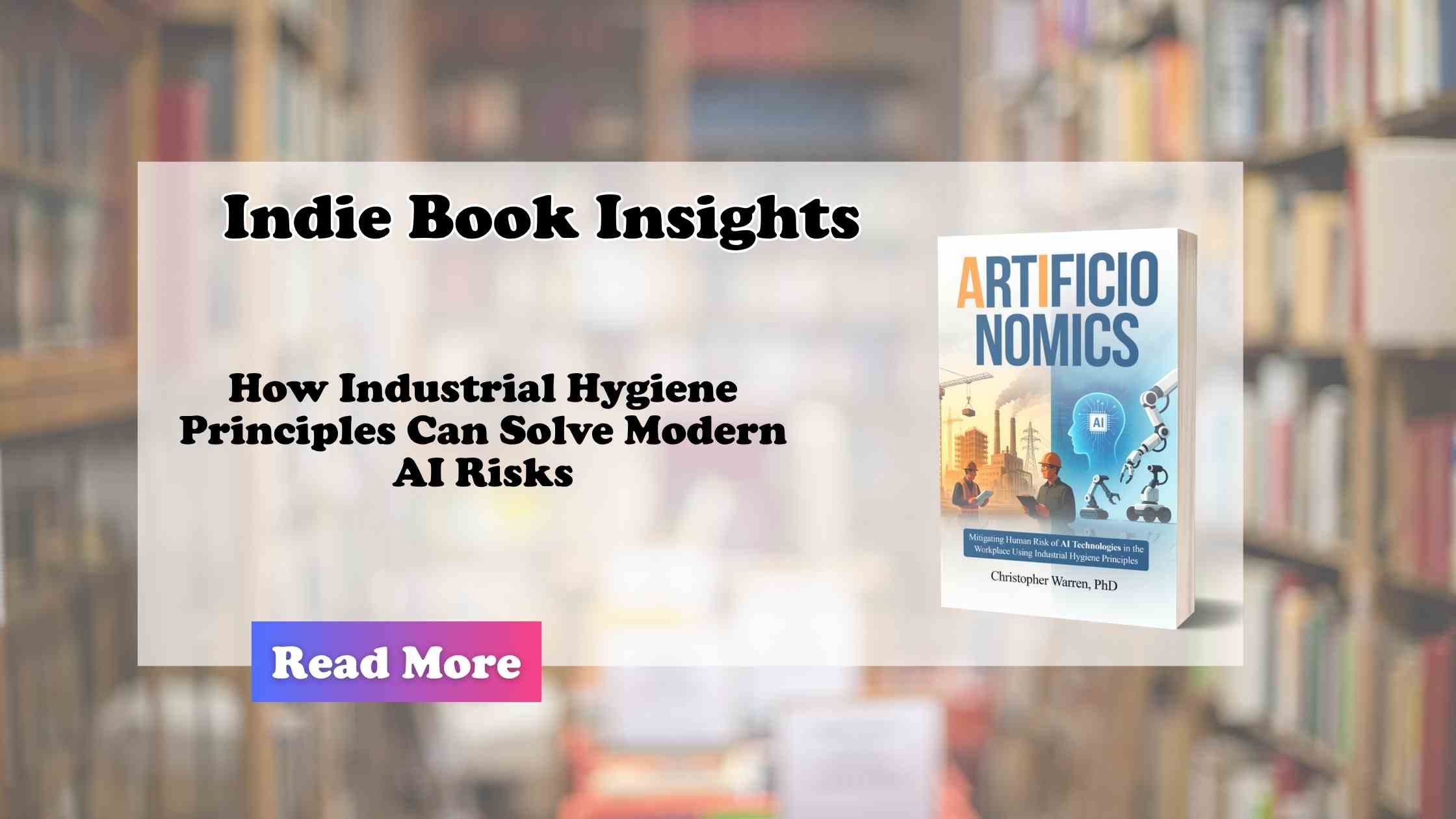
Artificionomics: Mitigating Human Risk of AI Technologies in the Workplace by Christopher Warren, PhD, offers a timely solution by applying industrial hygiene principles to these modern challenges. The book shows that the same discipline used to protect workers from chemical, physical, biological, and ergonomic hazards can also be adapted to protect them from digital and psychological pressures.
Industrial hygiene begins with a simple but powerful process: identify, evaluate, and control hazards. In today’s workplace, this means looking beyond obvious safety risks. Leaders must identify how intelligent systems affect attention, emotion, workload, judgement, and dignity. A productivity tracker, scheduling platform, or robotic assistant may seem efficient, but it can also create hidden harm if workers feel watched, rushed, or replaced.
The next step is evaluation. Warren explains that organizations must assess both measurable and human factors. This may include incident records, fatigue patterns, worker interviews, stress surveys, ergonomic reviews, and feedback from the people using these systems every day. Without this human input, companies risk treating performance data as the whole story when it is only part of the picture.
Control is where industrial hygiene becomes especially valuable. The hierarchy of controls gives organizations a practical way to reduce harm. If a system damages trust or wellbeing, elimination may be necessary. If that is not possible, substitution can replace intrusive tools with more transparent ones. Engineering controls can improve system design, alerts, interfaces, and safeguards. Administrative controls can include clear policies, worker training, rest periods, oversight, and grievance channels. Personal support may include mental health resources, ergonomic assistance, and fatigue management.
What makes Artificionomics important is that it does not frame technology as the enemy. Instead, it shows how progress can be guided responsibly. Christopher Warren gives safety professionals, executives, and policymakers a structured way to protect workers while still allowing innovation to move forward.
The book is especially useful for organizations that want to avoid burnout, resistance, legal exposure, and cultural damage caused by poorly managed technology adoption. It reminds readers that safety is not only about preventing accidents. It is also about preserving trust, autonomy, health, and human value.
Artificionomics positions industrial hygiene as a vital framework for the future of work. In a world where workplace hazards are becoming less visible but more personal, Christopher Warren’s book offers the roadmap leaders need to keep people protected, respected, and central to progress.
Get your Copy Now on Amazon: https://www.amazon.com/dp/B0GFY4RL6B.