
Training hard is something almost every martial artist understands. Training innovatively is what separates long-term progress from early burnout. Carlson Gracie believed that pushing limits was necessary, but he also taught his students that balance, timing, and recovery were just as essential as intensity. His approach offers valuable lessons for anyone who wants to push beyond their limits without compromising their physical or mental well-being.
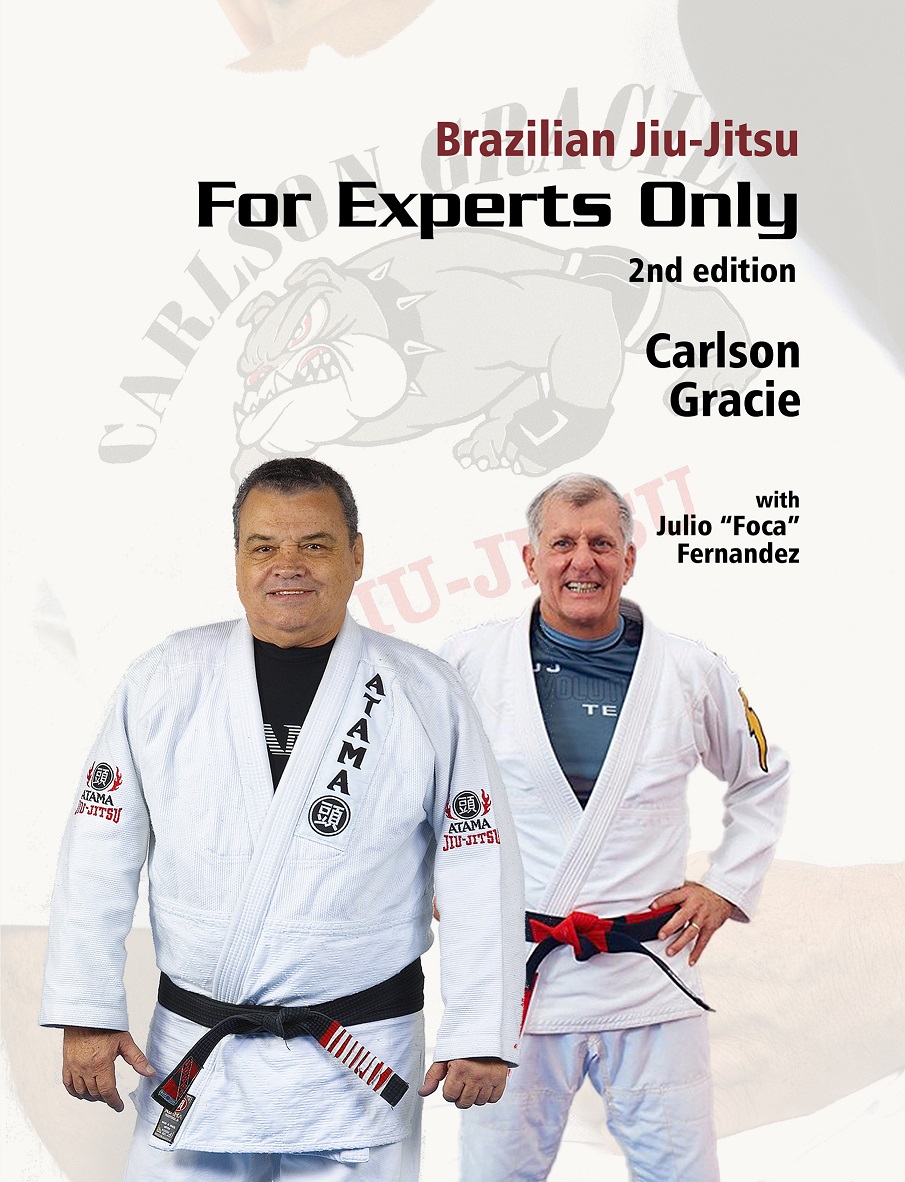
These ideas are reflected throughout Brazilian Jiu-Jitsu For Experts Only by Carlson Gracie and Julio Foca Fernandez, where the authors not only demonstrate techniques but also the mindset required to train them correctly.
Understanding the Difference Between Hard Work and Overwork
One of Carlson’s key lessons was that training hard does not mean training to the point of exhaustion every day. Many athletes believe that more rounds, more drills, and more hours equal faster results. What actually happens is that fatigue builds up and technique suffers. Carlson encouraged students to work at a level that pushed growth without draining their energy reserves. It allowed them to stay sharp, technical, and motivated rather than worn out.
A good example is guard passing practice. Instead of rolling at full speed for long rounds, Carlson often stressed focused drilling. Practitioners would work transitions with intention, repeating movements at a pace that allowed correct posture and timing. It built skill without unnecessary strain.
Using Training Cycles to Peak at the Right Time
Another important lesson comes from Carlson’s understanding of training cycles. He believed fighters should time their highest-intensity training so that they peak during tournaments or important events, not weeks beforehand. It meant planning periods of hard drilling, followed by lighter sessions that allowed the body to recover.
For instance, in the weeks leading up to a competition, a fighter might train on takedown to top control transitions at high intensity. As the event approaches, they reduce volume and focus on clean technique, strategy, and rest. It creates sharpness on the day it matters most.
Building Conditioning With Purpose
Carlson’s training style also showed that conditioning is not just about sprinting or lifting weights. It comes from consistent practice of movements that match real fight demands. Drilling chokes, passing sequences, and escapes repeatedly develops endurance specific to grappling.
This targeted conditioning enables fighters to train at the edge of their ability without succumbing to exhaustion. It keeps the body prepared for the exact type of stress it will face during rolling or competition.
Respecting Recovery as Part of Training
Perhaps the most important lesson is that rest is not a sign of weakness. It is part of progress. Carlson’s students often pushed themselves hard, but he taught them to rest after major events so their bodies could rebuild. It prevented burnout and reduced the risk of injury.
Recovery days, lighter rolling sessions, and even complete rest periods allow the nervous system and muscles to reset. Without recovery, progress slows, and frustration grows.
Training at the edge of your ability means knowing when to push and when to step back. It means working with purpose, not just intensity.
For those who want to explore Carlson Gracie’s approach through advanced technique and practical guidance, Brazilian Jiu-Jitsu For Experts Only by Carlson Gracie and Julio Foca Fernandez is an excellent next read.