

During intensive care, the outside world did not disappear. It returned in altered forms, blending memories, fears, ambitions, and hospital sensations into dreams that felt completely real. Work, travel, music, and animals became recurring parts of my delirium because they belonged to the life I knew before illness changed everything.
Work appeared frequently because it had always been closely connected to my sense of purpose. In my dreams, I advised organisations, attended conferences, solved business problems, built new ventures, and tried to help people make difficult decisions. These situations often became increasingly ridiculous. Meetings were cancelled after long journeys, business strategies were explained through table tennis tables, and ambitious projects were completed almost overnight.
Beneath the comedy was a strong desire to feel useful again. In reality, I was lying in a hospital bed, unable to manage basic tasks without assistance. In my dreams, however, I remained capable, productive, and important. My mind returned me to a world where people needed my advice and where I could still achieve something.
Travel offered another form of escape. I found myself in Paris, Berlin, Portugal, Malta, Norway, Spain, and mountain resorts. Airports, railway stations, ferries, hotels, and unfamiliar cities became settings for strange adventures. These imagined journeys contrasted sharply with the restrictions of intensive care. My body could barely move, but my mind travelled freely.
Music also entered the delirium in unexpected ways. I attended performances, helped reunite bands, joined musicians onstage, and imagined playing guitar again. Music represented more than entertainment. It was connected to freedom, friendship, confidence, and the pleasure of taking part in ordinary life. When illness had taken away much of my physical strength, dreams allowed me to perform without limitation.
Animals brought a different kind of comfort. Cats, hamsters, butterflies, squirrels, and even a curious squid appeared throughout my imagined experiences. Some became comic characters, while others represented home, affection, and safety. Animals required no medical explanations and made no demands. They offered companionship within dreams that could otherwise become confusing or threatening.
These subjects were not chosen consciously. They were fragments of identity gathered by a mind trying to understand an unfamiliar situation. Hospital noises, medication, interrupted sleep, and partial memories supplied the raw material. My imagination shaped them into stories about the things I valued most.
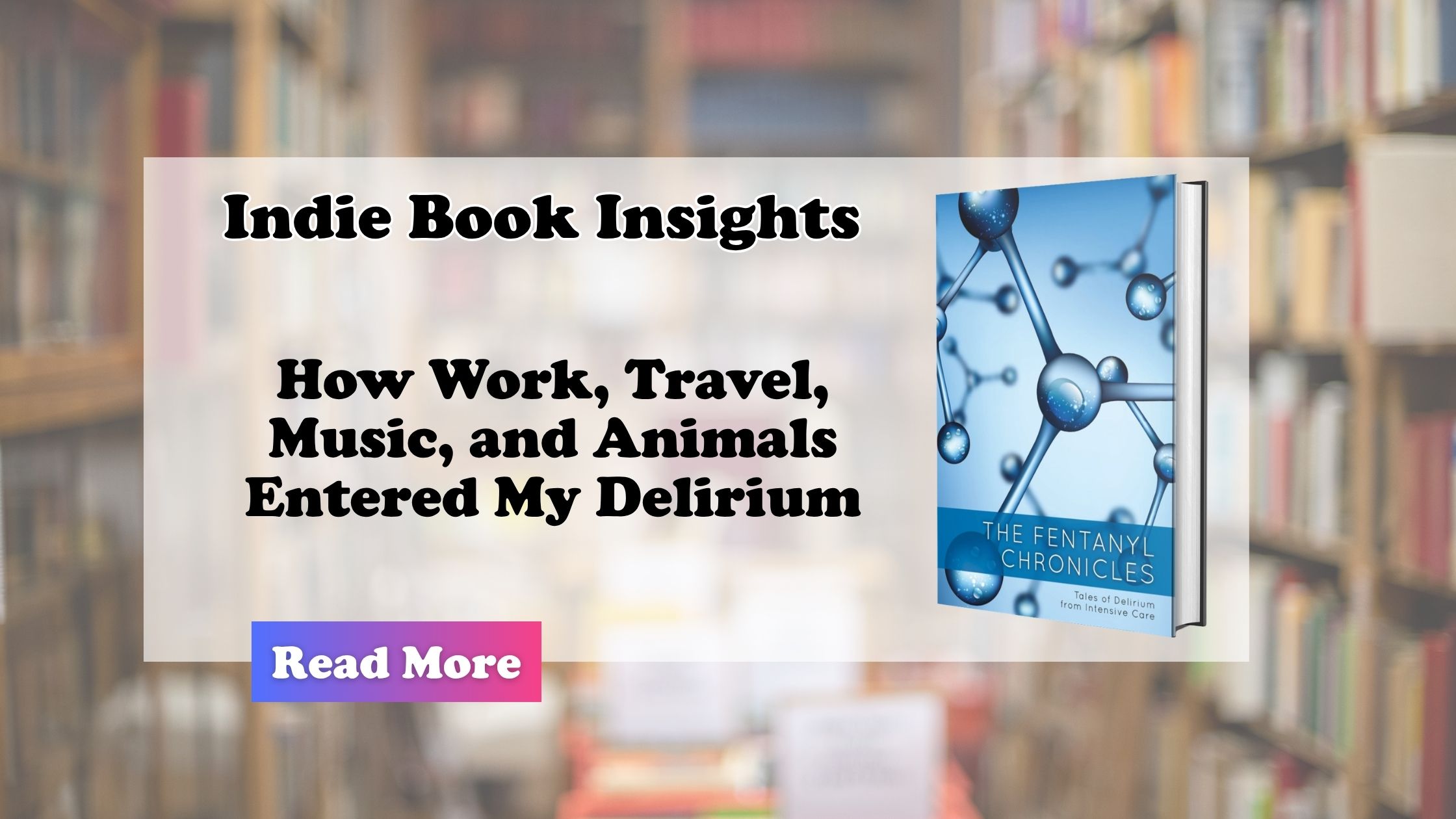
The Fentanyl Chronicles: Tales of Delirium from Intensive Care by Tim Westall records these remarkable experiences with wit and honesty. Following a near fatal heart attack and prolonged intensive care treatment, Westall entered a dream world filled with international assignments, unusual journeys, musical performances, eccentric animals, and impossible events.
Behind every absurd story lies something deeply familiar: the need to work, move, create, laugh, and return home. For readers interested in delirium, survival, humour, and the strange ways memory responds to serious illness, The Fentanyl Chronicles offers an original and memorable account.