

Have you ever wondered what makes a leader truly a leader? Is it their charisma? Is it their personality? Is it their presence? Honestly, all of these count, but what makes someone a true leader is his distinctive qualities that differentiate them from an arrogant and dominating manager or a boss.
A leader is a person who earns respect through engagement, collaboration, and empathy. In today’s business environment, leaders who embody certain key behaviors can transform their teams and entire organizations, creating an environment where people feel empowered and motivated to contribute.
One of the essential behaviors of a leader is the ability to share credit and responsibility. As Plaxton explains, leaders are quick to share success with their team. Plaxton’s philosophy is simple: when the team succeeds, the leader succeeds. They use phrases such as“we achieved this” or “our decision” to reinforce the idea that everyone contributed to the success—not just them. This collaborative approach motivates employees, fostering loyalty and a sense of belonging.
Another key behavior is how they handle challenges and setbacks. You might have heard a boss saying, “You failed,” assigning blame and creating an atmosphere of fear. In contrast, leaders approach setbacks with the mindset of shared responsibility, asking, “How can we solve this together?” Plaxton emphasizes that effective leaders act as shields for their teams. They take responsibility for failures, using them as learning opportunities rather than punitive measures—that encourages openness, where employees feel safe discussing mistakes without fear of retribution, allowing for continuous improvement and growth.
Communication also plays a vital role in making a leader. Instead of adopting a one-way style of communication—issuing orders and expecting compliance, leaders prefer two-way communication. Plaxton advocates for what he calls Total Engagement. Total engagement is a process where leaders invite team feedback and genuinely listen to their concerns more openly. They ask questions like, “How do you feel about this?” and take the time to understand the emotions and perceptions behind the data. This level of engagement and trust in their team fosters trust, ensuring everyone feels heard and valued, which is critical for organizational cohesion.
Trust is perhaps the most significant behavior that underpins effective leadership. Leaders trust their team members to take ownership of their tasks. By delegating responsibilities and offering support rather than control, they create an environment where employees feel empowered to take initiative. Plaxton’s experiences in leading successful organizations reveal that this trust-based approach leads to higher levels of engagement and performance.
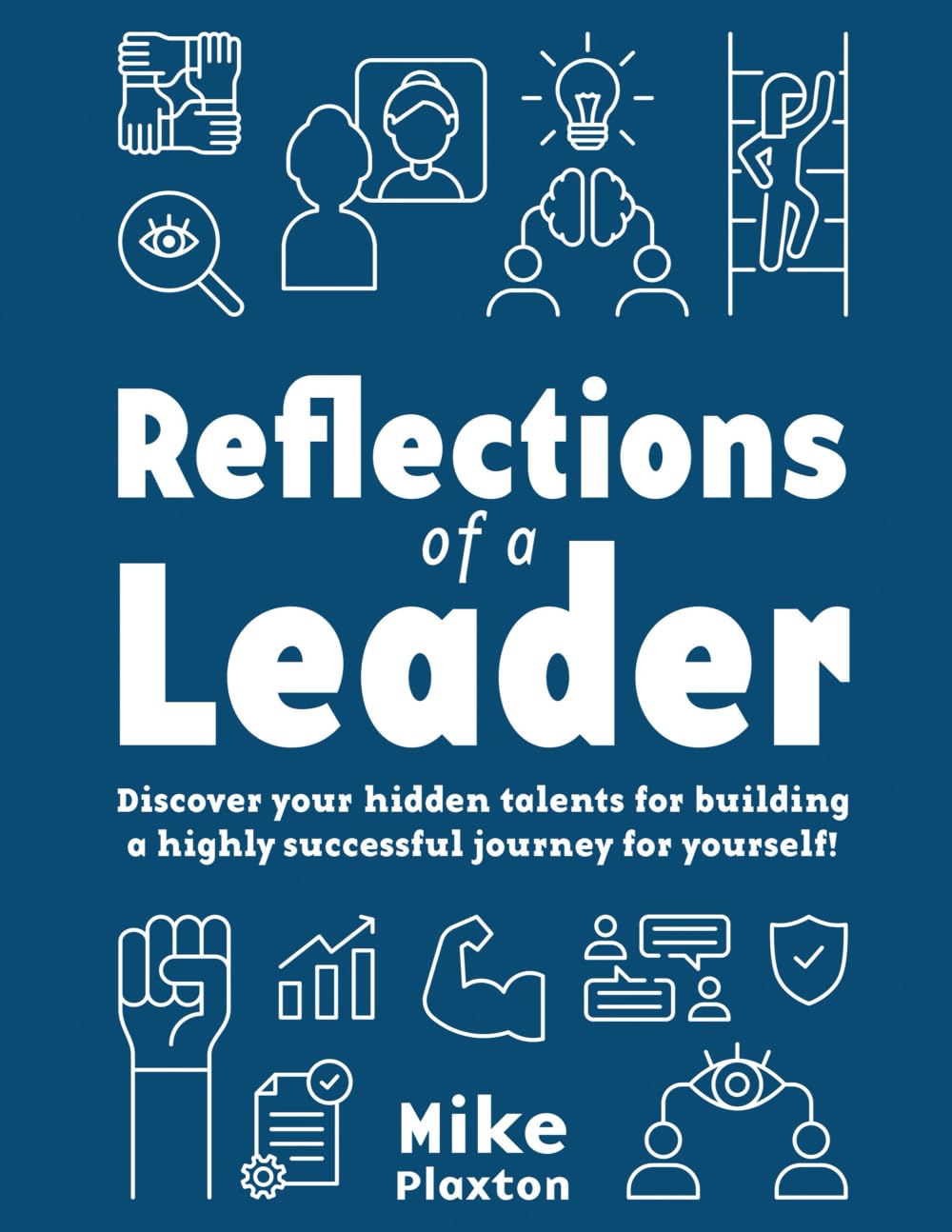
Plaxton also points out the importance of self-awareness in leadership. Leaders who are willing to reflect on their own behaviors and seek feedback from their teams are better equipped to grow. In one instance, Plaxton describes how he struggled with listening to alternative strategies because of his strong opinions. However, by inviting his team to challenge his ideas, he learned the value of collaboration and diversity of thought. This self-disclosure and openness to feedback are hallmarks of great leaders who understand that leadership is not about knowing all the answers but about learning and evolving with the team.
In conclusion, the behaviors that transform organizational leadership—sharing success, embracing responsibility, fostering open communication, trusting team members, and practicing self-awareness—are the cornerstones of effective leadership.
Mike Plaxton’s “Reflections of a Leader: Discover your Hidden Talents for Building a Highly Successful Journey for Yourself” serves as a guide for leaders who want to shift from a ‘boss’ mentality to a ‘leader’ mentality, creating workplaces where people are motivated to excel. The shift is not just beneficial for the leader but also for the organization as a whole, leading to better outcomes, more engaged employees, and sustainable success.
For more insight and clarity, read Mike Paxton’s “Reflections of a Leader,” which is available on Amazon for purchase: https://www.amazon.com/dp/1917399316.