
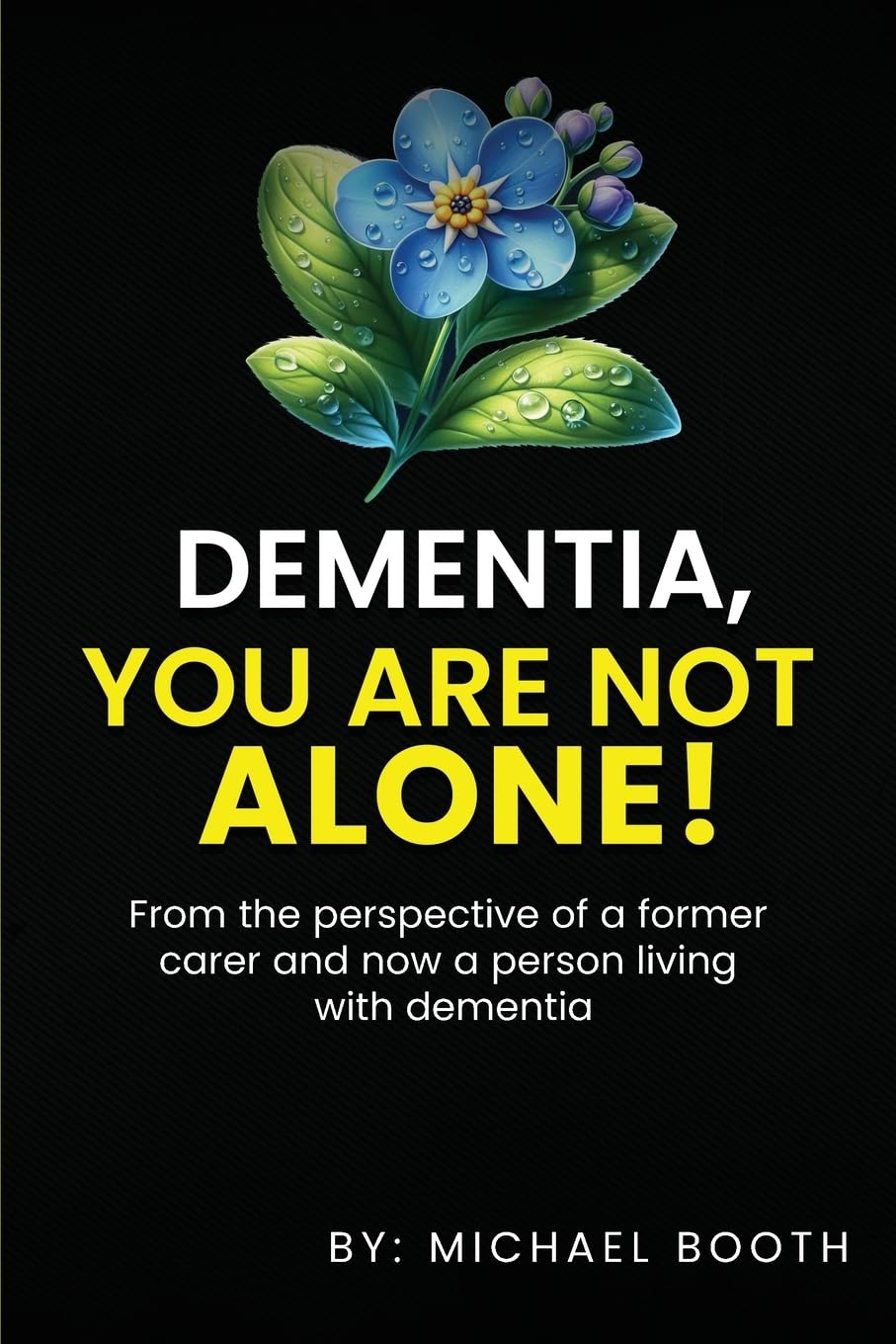
Communicating with someone in the later stages of dementia requires patience, empathy, and an understanding of how dementia affects expression and comprehension. Inspired by Michael Booth’s compassionate insights in DEMENTIA, YOU ARE NOT ALONE!, this article explores empathetic communication techniques and ways to interpret non-verbal cues to foster connection and understanding.
1. Prioritize Patience and Empathy
As dementia progresses, patients often struggle with language, memory, and comprehension. Patience is essential, as they may need extra time to understand or respond. Empathize with their perspective, recognizing that their frustration often stems from confusion and not unwillingness. Booth emphasizes that approaching each interaction with empathy can provide comfort, helping them feel valued and understood.
2. Use Simple Language and Repetition
Keeping your language simple and straightforward is crucial. Speak in short sentences, using familiar words, and avoid complex phrases. For instance, instead of asking, “Are you comfortable in this chair?” say, “Is this chair okay?” Avoiding rapid-fire questions allows them time to process. If they don’t respond, repeat your words gently, and try rephrasing if necessary. Booth’s guidance suggests that kindness and clarity can reduce anxiety, creating a calmer environment for everyone.
3. Focus on Non-Verbal Communication
In later stages, non-verbal cues—like facial expressions, gestures, and body language—can be more effective than words. Smiling, making gentle eye contact, and sitting at their level help convey warmth and presence. Michael Booth stresses the importance of showing rather than telling; for example, gently taking their hand when offering support or nodding to affirm their feelings. Small gestures of reassurance, like a comforting touch on the shoulder, can be profoundly meaningful.
4. Observe and Validate Their Emotions
Dementia patients often express feelings through non-verbal actions or tone rather than words. If your loved one seems agitated, instead of dismissing the behavior, acknowledge it with a reassuring phrase like, “I can see you’re feeling upset. I’m here with you.” Booth emphasizes that validation can calm anxiety, creating a space where they feel safe.
For example, if they look uncomfortable, rather than assuming they’re in pain, gently ask, “Are you okay?” or observe if there’s something specific that might be causing discomfort, like noise or room temperature. By validating their emotional state, you communicate understanding and respect for their feelings.
5. Avoid Correcting and Instead, Redirect
Correcting a dementia patient, especially in the later stages, can lead to frustration and hurt feelings. Booth advises against interrupting or correcting them if they recall memories inaccurately or repeat questions. Instead, go along with their statements and redirect the conversation. For example, if they mistakenly say, “I need to go pick up the kids,” gently respond, “I can help with that. What’s next on our list?” Redirecting the conversation with understanding allows them to express themselves freely, without feeling judged or confused.
6. Pay Attention to Non-Verbal Cues for Comfort
In later stages, many people with dementia find it challenging to verbally communicate discomfort. By observing non-verbal signs, such as fidgeting, shifting positions, or facial grimacing, caregivers can often detect discomfort or pain. Booth suggests monitoring for patterns in behavior; for example, if they rub their hands frequently, it may indicate a need for warmth or comfort. Providing reassurance or making small adjustments can show that you’re attentive to their needs, even if they cannot voice them directly.
As dementia progresses, verbal communication becomes less reliable, but meaningful connections are still possible. Michael Booth’s insights in DEMENTIA, YOU ARE NOT ALONE! remind us that compassionate listening and careful attention to non-verbal cues allow us to communicate deeply, even when words fail. By focusing on presence, patience, and empathy, we can continue to show our loved ones with dementia that they are valued, respected, and never alone.