
Buddhism, with its rich tapestry of teachings and philosophies, offers profound insights into the nature of existence and the continuity of life. Central to Buddhist belief is the concept of reincarnation, which posits that consciousness continues to transmigrate from one life to another, undergoing a process of rebirth determined by the accumulation of karma.
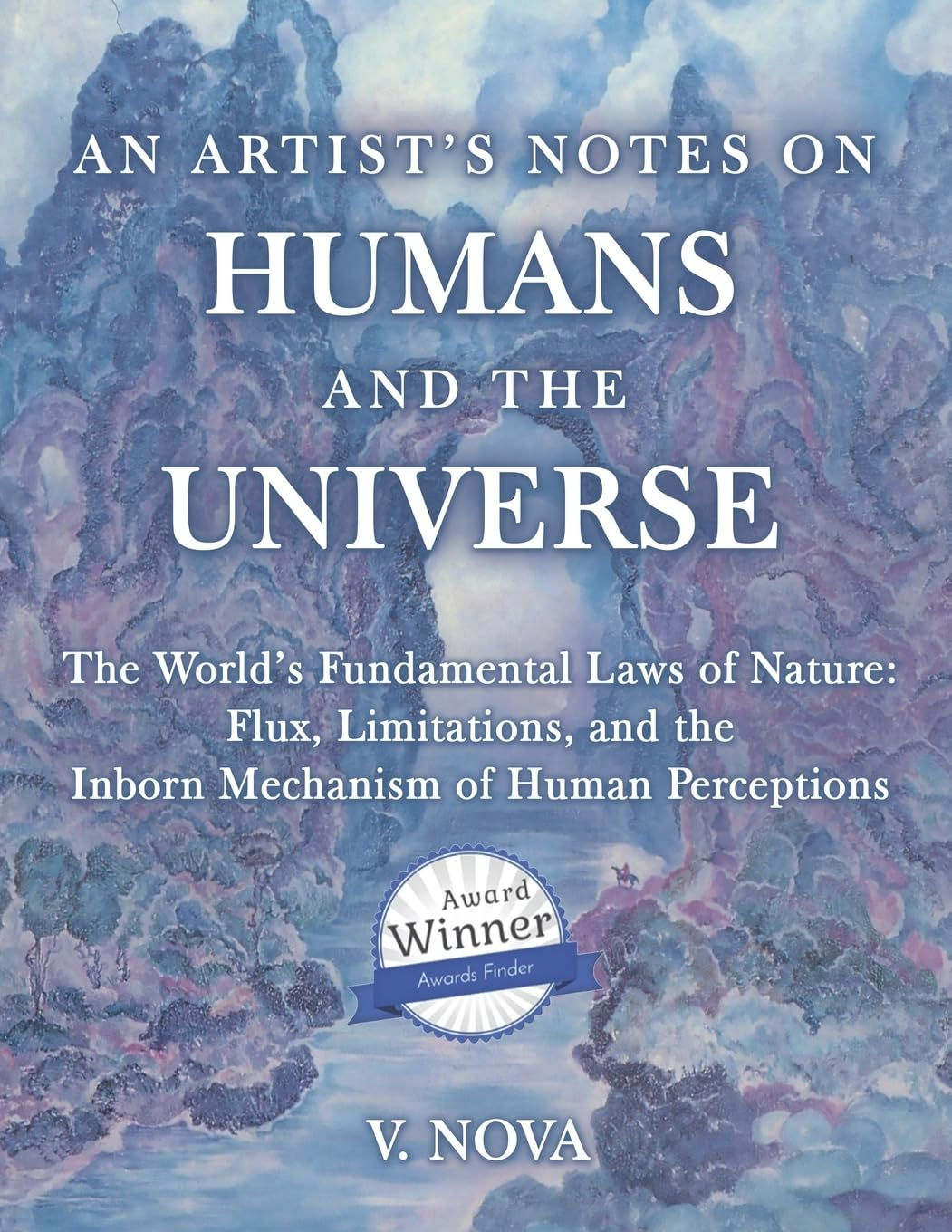
In “AN ARTIST’S NOTES ON HUMANS AND THE UNIVERSE: The World’s Fundamental Laws of Nature: Flux, Limitations, and the Inborn Mechanism of Human Perceptions” by V. NOVA, we are invited to explore the intricacies of human consciousness and the mysteries of existence. Drawing upon NOVA’s reflections, we can delve deeper into the implications of Buddhist teachings on reincarnation and the endless journey of spirits.
The Cycle of Rebirth
According to Buddhist philosophy, life is characterized by a cyclical process of birth, death, and rebirth known as samsara. This continuous cycle is driven by the force of karma, which determines the conditions of each subsequent existence based on the actions and intentions of previous lives.
NOVA’s exploration of human perceptions and the fundamental laws of nature resonates with Buddhist teachings on impermanence and the interconnectedness of all phenomena. Just as NOVA emphasizes the ever-changing flux of reality, Buddhism teaches that all things are in a state of constant flux, subject to the impermanent nature of existence.
The Evolution of Consciousness
Central to Buddhist thought is the notion of consciousness as the driving force behind the cycle of rebirth. Consciousness, or vijnana, is believed to continue its journey from one life to the next, carrying with it the imprints of past actions and experiences.
NOVA’s insights into the inborn mechanism of human perceptions shed light on the complexities of consciousness and its role in shaping our understanding of reality. By examining the ways in which our perceptions influence our experiences, we gain a deeper appreciation for the fluid nature of consciousness and its potential for evolution.
Liberation from Samsara
While the cycle of rebirth may seem endless, Buddhism offers a path to liberation from the cycle of samsara. Through the cultivation of wisdom, compassion, and ethical conduct, individuals can attain enlightenment (nirvana) and break free from the cycle of birth and death.
NOVA’s reflections on the limitations of human perception and the need for profound revisions underscore the importance of self-awareness and introspection in the pursuit of spiritual growth. By recognizing the transient nature of our perceptions and the interconnectedness of all beings, we can transcend the confines of ego and attain a deeper understanding of our place in the universe.
In exploring the Buddhist belief in reincarnation, we gain valuable insights into the nature of existence and the evolution of consciousness. By drawing parallels between Buddhist philosophy and NOVA’s reflections on human perceptions, we deepen our understanding of the interconnectedness of all life and the impermanent nature of reality.
As we contemplate the endless journey of spirits and the cyclical nature of existence, we are reminded of the profound wisdom embedded in ancient teachings. By embracing the principles of impermanence, interconnectedness, and compassion, we can cultivate a deeper sense of purpose and meaning in our lives, ultimately leading us toward liberation from the cycle of samsara.