
Artificial intelligence is no longer confined to research labs or technology firms. It now influences how we build infrastructure, deliver healthcare, manage supply chains, evaluate performance, and even shape public perception. Intelligent systems operate behind scheduling platforms, robotics, surveillance tools, and decision engines that affect daily life in profound ways. As this transformation accelerates, the central question becomes unavoidable. How do we safeguard humanity in the age of AI?
The promise of intelligent systems is undeniable. They can reduce exposure to hazardous environments, detect patterns invisible to human analysis, optimize energy use, and enhance precision in high risk operations. In many settings, these capabilities save time, reduce errors, and improve safety outcomes. Yet progress without protection can create new vulnerabilities.
When systems monitor workers continuously, stress and mistrust can rise. When automated recommendations overshadow human judgment, professional autonomy can erode. When robotics enter shared workspaces, mechanical hazards require disciplined safeguards. When digital tools shape hiring, promotion, or workload allocation, the risks extend beyond efficiency into dignity and fairness. These are not theoretical concerns. They are emerging realities across industries.
Safeguarding humanity requires more than technical refinement. It requires governance, oversight, and an unwavering commitment to human well-being. Intelligent systems must be designed and deployed with structured accountability. Organizations must anticipate potential exposures, evaluate their impacts, and implement protective controls before harm occurs. Innovation cannot be treated as self-justifying. It must be stewarded.
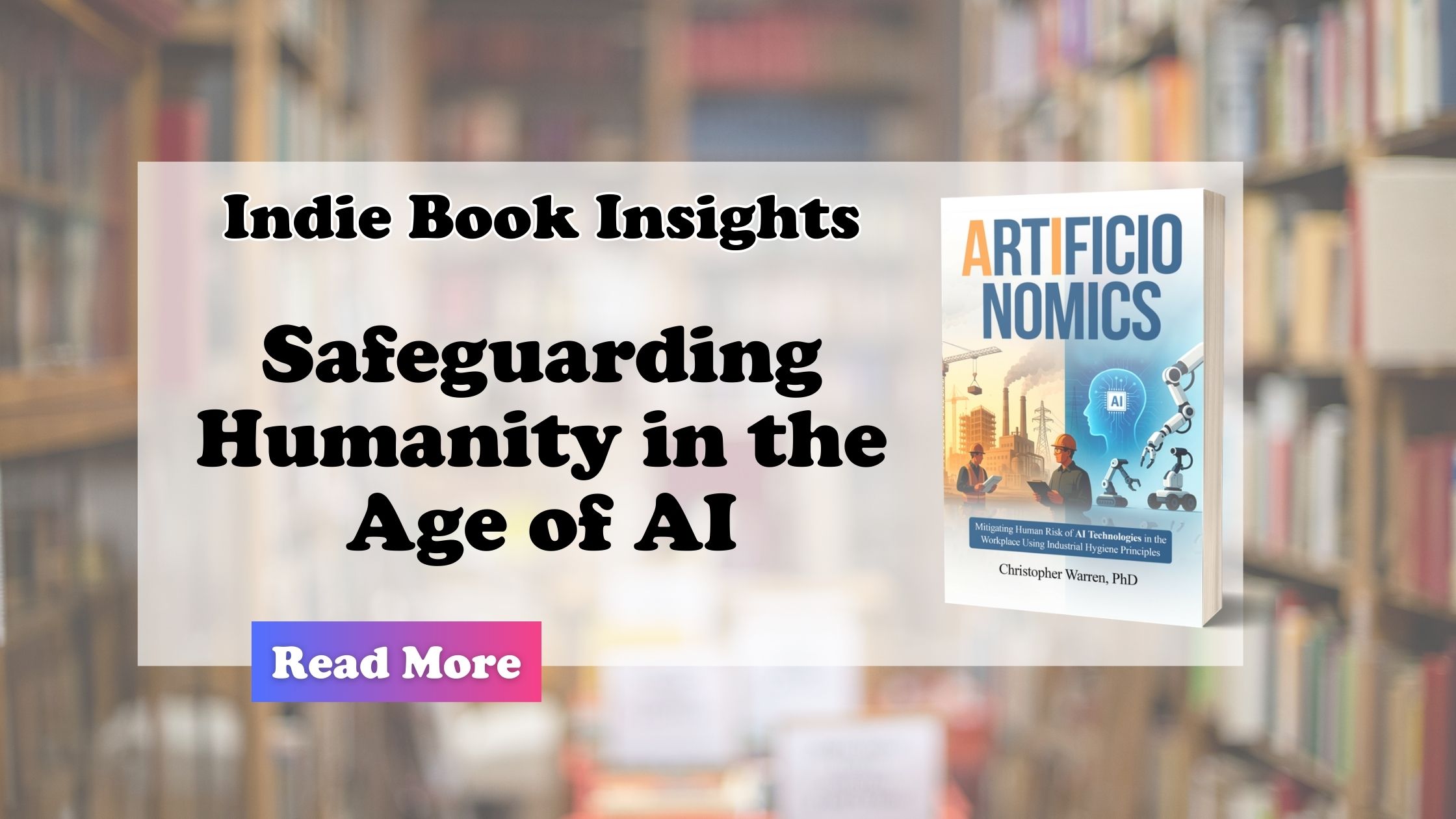
This is the central message of Artificionomics: Mitigating Human Risk of AI Technologies in the Workplace Using Industrial Hygiene Principles by Dr. Christopher Warren. The book introduces Artificionomics as a discipline that integrates industrial hygiene, ethics, human factors, and governance into a unified framework. Rather than viewing AI risk as a narrow engineering issue, it reframes it as a human safety challenge.
By applying time tested principles of risk management to digital and cognitive hazards, Artificionomics provides a practical roadmap for organizations navigating intelligent system integration. It emphasizes measurable oversight, transparent governance, worker participation, and the hierarchy of controls as foundational safeguards. It insists that ethical considerations must be operational, not aspirational.
Safeguarding humanity also means preserving dignity. Workers should not be reduced to data points or performance variables. Intelligent systems should augment human capability, not diminish identity or erode trust. When people are included in design, testing, and evaluation, technology becomes a partner rather than a replacement.
History teaches that every major technological shift demands disciplined leadership. The steam engine, electricity, and mass production all reshaped society. Each required new safety standards and professional responsibility. The age of AI is no different. The scale and speed may be unprecedented, but the obligation remains timeless.
Artificionomics offers the compass for this era. It challenges leaders to align innovation with human values and to ensure that progress strengthens rather than compromises health, autonomy, and resilience. Safeguarding humanity in the age of AI is not optional. It is the defining responsibility of our time.
Get your Copy Now on Amazon: https://www.amazon.com/dp/B0GFY4RL6B