
Artificial intelligence is not a new term. With each new day, we have another tool, app, or resource that shapes how work is organized, evaluated, and managed. In many organizations, AI influences scheduling, monitoring, and decision-making without much discussion. When these systems are ignored or treated as purely technical tools, the long-term consequences can be significant.
One of the first costs of neglecting AI is loss of visibility. When algorithms make decisions behind the scenes, leaders may not fully understand how work is being shaped. Workers may feel pressure without knowing why. Over time, this lack of clarity erodes trust and makes it harder to identify emerging problems.
Another cost is the slow buildup of risk. AI systems often optimize for efficiency. While efficiency is valuable, it can also compress timelines and increase workload. These changes may not cause immediate harm, but they gradually affect fatigue, focus, and morale. Injuries and errors often appear only after these pressures have been in place for a long time.
Neglecting AI also creates challenges around responsibility. When something goes wrong, it becomes difficult to trace decisions back to their source. Was it a human choice or a system output? Without clear oversight and documentation, accountability becomes blurred. This uncertainty can complicate investigations and undermine learning.
There is also a human cost. Workers who feel constantly monitored or evaluated by systems they do not understand often experience stress and disengagement. Over time, this affects retention, performance, and safety culture. People are less likely to speak up about hazards when they feel their input does not matter.
From an organizational perspective, ignoring AI risk can lead to regulatory and legal consequences. Existing workplace safety and labor expectations still apply, even when decisions are automated. Organizations that cannot explain how AI systems operate or how risks are managed may find themselves unprepared when questions arise.
The long term impact of neglecting AI is not just higher risk. It is missed opportunity. AI can support safer work by identifying trends, improving planning, and reducing exposure. To realize these benefits, AI must be treated as part of the overall work system, not as a separate layer added on top.
Therefore, to address this gap, we require intentional integration. Leaders need to ask how AI affects pace, decision-making, and recovery time. Similarly, safety professionals should be involved in the design and deployment process, and workers should understand how systems operate and know how to raise concerns.
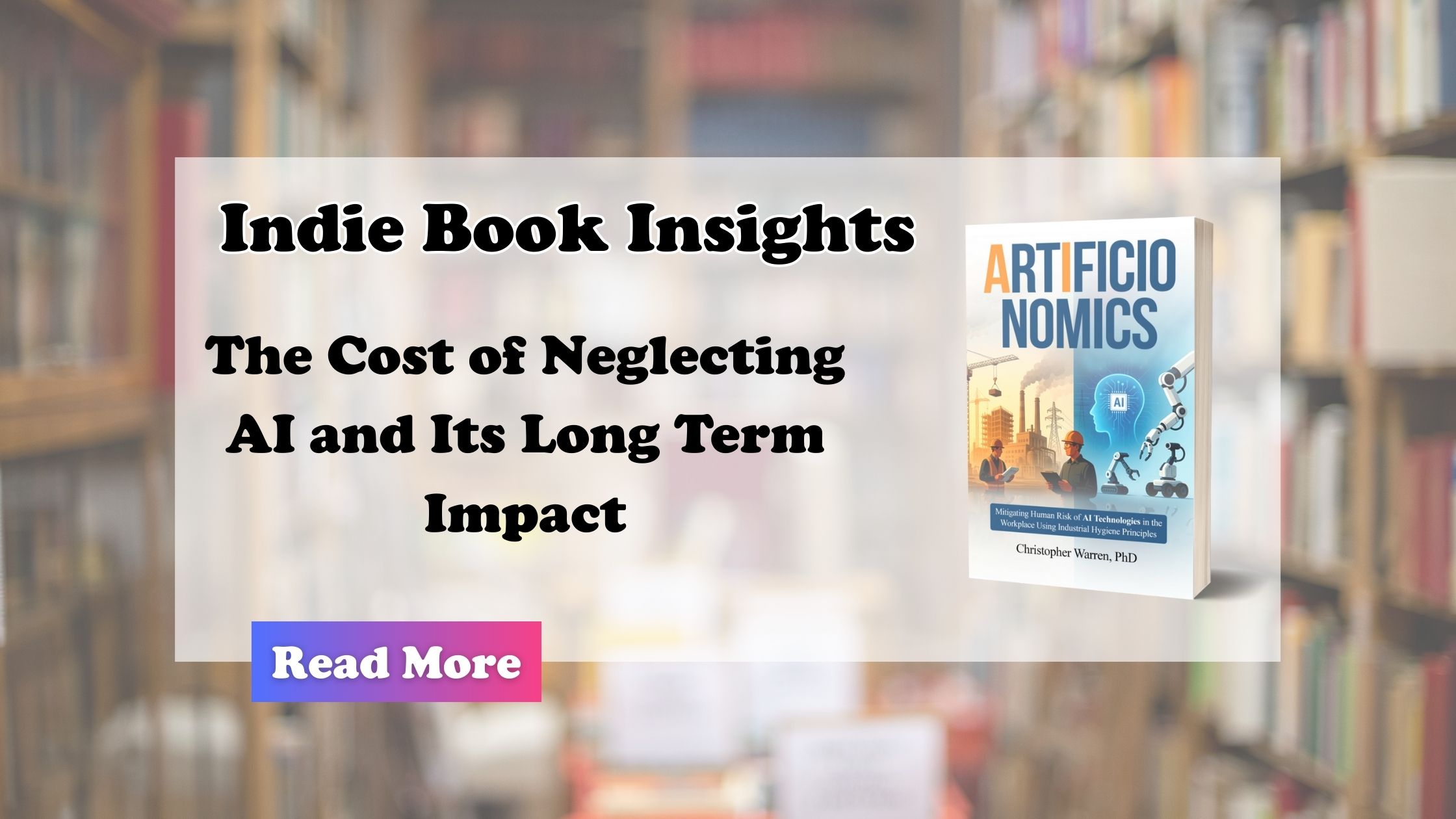
Books such as ArtificIonomics: Mitigating Human Risk of AI Technologies in the Workplace Using Industrial Hygiene Principles by Christopher Warren provide a useful starting point for this conversation. It offers a way to think about AI through the lens of human experience and long-term safety rather than short-term efficiency. Drawing on decades of experience in industrial hygiene and risk management, Dr. Christopher Warren introduces a groundbreaking new discipline for addressing the human risks associated with AI and robotics.
From physical hazards to psychological pressures, this book reveals how technology can be integrated responsibly without sacrificing worker well-being. Packed with case studies, practical tools, and actionable strategies, ArtificIonomics is a must-read for safety professionals, executives, and anyone seeking to protect people while embracing innovation.
Neglecting AI does not mean avoiding technology; it means embracing it. It means failing to guide it. The long term impact of that failure shows up in people, culture, and outcomes. Thoughtful attention now can prevent much higher costs later and help organizations use AI in ways that truly support those who do the work.
For more information and insight, please visit https://artificionomics.com/.