
“A gentle and thoughtful picture book that explores fear, independence, and quiet determination through the experiences of a young goose finding her place in the world.”
Once there was a goose who was afraid to fly, and her name was Gossamer. One day, Gossamer awakens to find herself alone. Her family has moved on, following their natural instinct to travel, while she remains behind because she was unable to fly due to fear.
What follows is a carefully paced story about adjustment, patience, and learning to trust oneself. Set around lochans and golf courses inspired by the real landscape of Gleneagles in Scotland, Gossamer: The Goose Who Was Afraid to Fly blends soft realism with animal storytelling.
The narrative unfolds slowly, mirroring Gossamer’s emotional state. She explores her surroundings on foot and in the water, meeting other animals who become companions and quiet guides rather than problem solvers. A fox cub, small birds, a weasel, and a tawny owl each offer perspective, not pressure. These encounters reinforce the idea that growth often comes through support and observation rather than instruction.
West’s prose is clear and measured, well-suited to shared reading. The language remains accessible to younger listeners while offering enough emotional depth to engage older children. Words such as “loneliness,” “fear,” and “hope” appear naturally in context, providing opportunities for discussion without interrupting the flow of the story. The pacing allows readers time to absorb both the emotional weight and the physical environment of the setting.
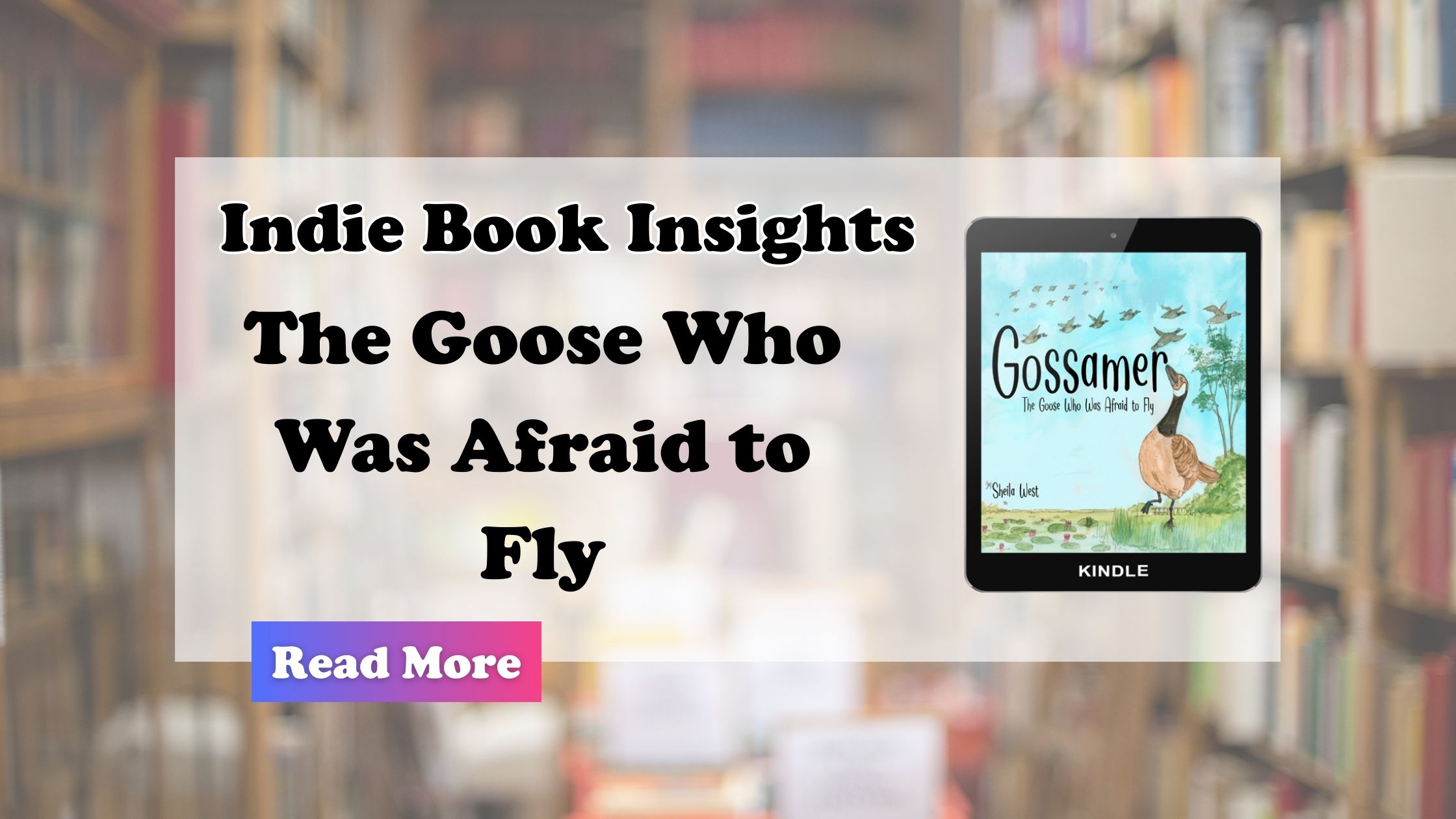
The illustrations, rendered in soft watercolors, support the narrative effectively. Landscapes feel open and calm, with lochans, grassy banks, bridges, and golf greens depicted with care. The inclusion of a map and recognisable features from the Gleneagles estate adds an extra layer of interest, particularly for families familiar with the location. These visual elements invite readers to explore the setting as more than a backdrop, encouraging curiosity about place and geography.
Gossamer’s fear of flying is handled with sensitivity. The book avoids presenting fear as something to be defeated quickly or dramatically. Instead, fear is treated as a natural obstacle that requires time, understanding, and gradual effort. This approach makes the story especially suitable for children who struggle with anxiety, hesitation, or change. The message is reassuring rather than instructive, allowing readers to draw their own conclusions.
The supporting characters function more as mirrors than mentors. Each animal has its own concerns and routines, reinforcing the idea that everyone has limits and responsibilities. This prevents the story from becoming overly sentimental and keeps the focus on Gossamer’s internal journey. The owl, Specky, eventually helps Gossamer consider practical steps toward flying, but even then, the responsibility remains hers.
The book also succeeds in portraying independence without isolation. While Gossamer spends much of the story alone, she is never abandoned by the narrative. Her solitude feels purposeful, offering space for reflection and growth. This balance is particularly effective for young readers who are beginning to understand independence but still rely on reassurance.
As a picture book, Gossamer: The Goose Who Was Afraid to Fly works best when read aloud. Adults will find ample moments to pause, ask questions, and explore ideas with children. The story supports repeated readings, with details in the illustrations and setting revealing more over time.
The connection to Scotland and Gleneagles adds a distinctive quality that sets the book apart from more generic animal stories. While the location is specific, it never feels limiting. Instead, it grounds the story in a real-world environment, making it appealing as both a reading experience and a keepsake for visiting families.
West’s background as an artist is evident in the visual storytelling, while her writing reflects a clear understanding of children’s emotional development. The book does not aim to teach a single lesson, but rather to create space for reflection, conversation, and reassurance.
A calm, well-crafted picture book that respects its young audience and trusts them to engage with complex emotions at their own pace. Gossamer: The Goose Who Was Afraid to Fly is a reassuring story about fear, patience, and finding confidence without haste.
Did you know the story of Gossamer is inspired by a real goose at Gleneagles?
In real life, the goose was alone for several months, remaining in the same area after her family had moved on. She was eventually rescued by RSPB Scotland after being found sitting in the middle of the driveway at Gleneagles. The following spring, five geese returned briefly to the same spot. It is thought they may have been her siblings, possibly returning to see if she was still there, before moving on after a couple of days. This real experience adds a quiet layer of meaning to the story and reflects the themes of waiting, resilience, and connection that run throughout the book.
Head to Amazon to purchase your copy: https://www.amazon.co.uk/dp/1970749504/.