Martial Law as a Catalyst for Tension
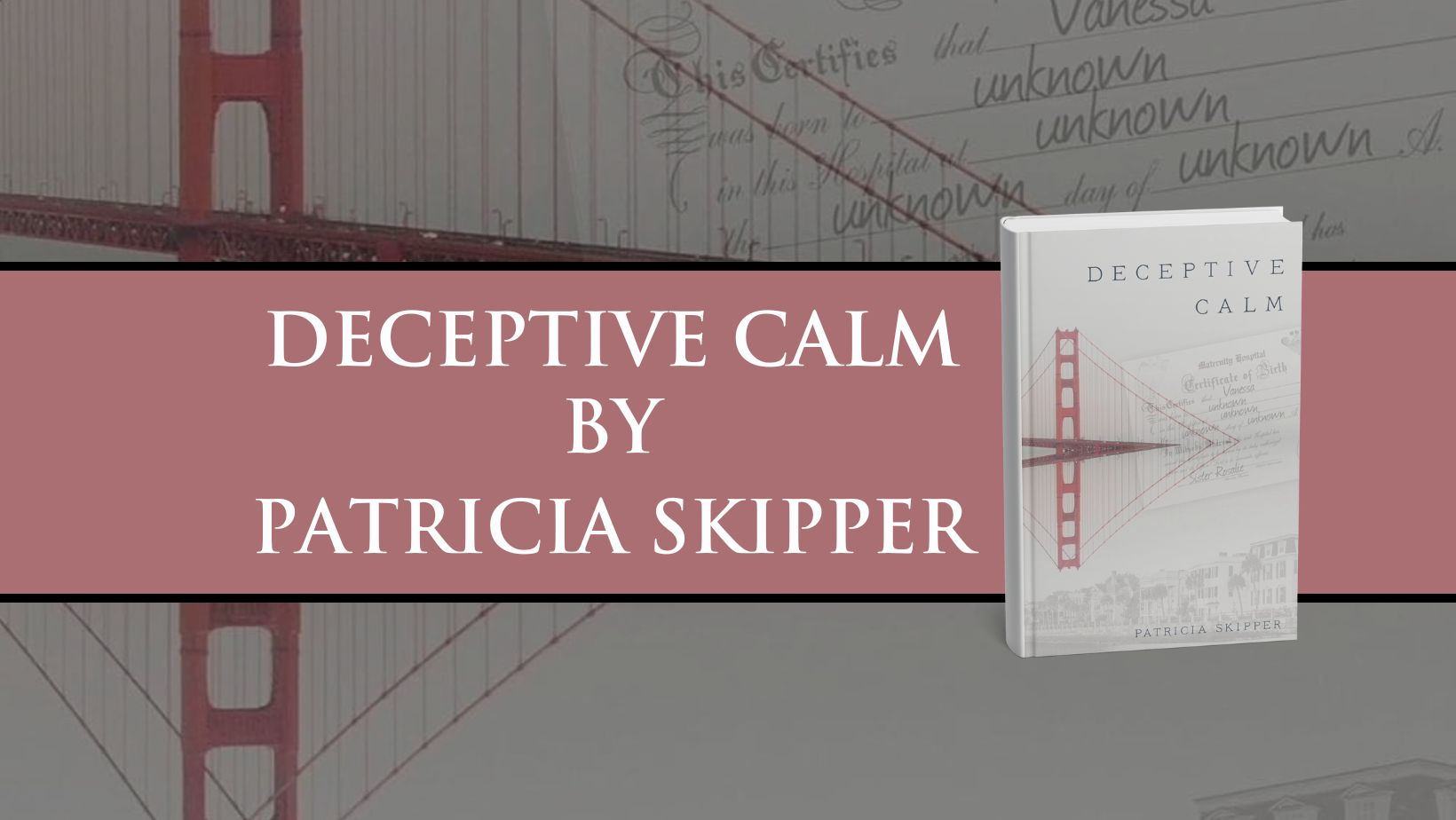
Patricia Skipper’s novel Deceptive Calm captures the profound impact of martial law on communities grappling with racial and social strife in 1960s America. Set in Charleston, South Carolina, the story unfolds against a backdrop of heightened tensions as the state enforces martial law to suppress civil rights protests. Skipper skillfully illustrates how the imposition of curfews, military control, and restricted freedoms exacerbate existing divisions within the community while simultaneously fostering resilience and solidarity among those resisting oppression.
The Disruption of Daily Life
In Deceptive Calm, Skipper explores how martial law disrupts the rhythm of daily life. Curfews force residents to alter their routines, leading to a pervasive sense of unease and fear. For characters like Barry and Vanessa, the restrictions on movement and public gatherings significantly impact their ability to navigate social and educational opportunities. Through their experiences, Skipper demonstrates how martial law doesn’t just target protests—it reshapes the entire fabric of community interactions, deepening mistrust and widening the divide between different racial and socioeconomic groups.
Heightened Racial Tensions
Martial law intensifies the already fraught racial tensions depicted in Deceptive Calm. Patricia Skipper vividly portrays scenes of confrontation, such as the violent attack on a school bus carrying Black and white students, underscoring how the presence of armed forces fails to protect vulnerable communities. Instead, the heavy-handed measures often embolden extremist groups like the Ku Klux Klan, creating an environment where violence thrives. Skipper uses these moments to highlight the double-edged sword of martial law: while intended to maintain order, it can amplify existing conflicts.
Community Solidarity Amid Oppression
Amid the chaos, Deceptive Calm showcases the resilience and solidarity that emerge within marginalized communities. Skipper’s characters find strength in each other, forming alliances to survive the oppressive environment. Barry’s decision to drive the attacked school bus to safety and Dr. Hale’s efforts to treat injured students at a segregated hospital illustrate how individuals rise to the occasion, demonstrating the power of unity. Skipper effectively conveys that even under the harshest conditions, communities can foster courage and compassion.
Martial Law’s Psychological Toll
The psychological effects of martial law are another crucial element in Patricia Skipper’s narrative. Characters in Deceptive Calm grapple with fear, anxiety, and trauma as they navigate a world where violence and uncertainty are constant threats. For Trisha, who suffers a severe head injury during the bus attack, the scars of the experience extend beyond the physical. Skipper delves into how martial law creates an atmosphere of pervasive stress, leaving long-lasting impacts on individuals and the broader community.
The Role of Authority Figures
Through Deceptive Calm, Skipper critiques the role of authority figures in enforcing martial law. The novel presents a stark contrast between those who use their power to uphold justice, such as Dr. Hale, and those who exploit the situation to perpetuate inequality, such as the local police. Patricia Skipper paints a nuanced picture of how authority, when wielded unethically, can deepen societal fractures instead of healing them.
Martial Law as a Reflection of Systemic Injustice
Skipper’s depiction of martial law in Deceptive Calm serves as a broader commentary on systemic injustice. The novel reveals how such measures often fail to address the root causes of unrest, focusing instead on suppressing dissent. By highlighting the experiences of her characters, Skipper underscores the need for systemic change rather than temporary fixes imposed through force.
Conclusion:
Patricia Skipper’s Deceptive Calm offers a powerful exploration of how martial law affects community dynamics, disrupting lives, intensifying divisions, and fostering resilience. Through its vivid characters and gripping narrative, the novel reveals the complexities of living under such extreme conditions. Skipper’s work serves as a reminder of the enduring consequences of martial law and the importance of addressing the underlying injustices that lead to its implementation.