

Some of the most damaging wounds leave no mark on the skin. They sit quietly beneath the surface, shaping how a person thinks, feels, and moves through the world. Emotional abuse and psychological control often operate in this hidden space, making them harder to recognise and even harder to validate. MEA CULPA (Admission of Guilt) by Sarah Machir-Grant captures this reality with striking clarity by showing how unseen harm can follow a person far into adulthood.
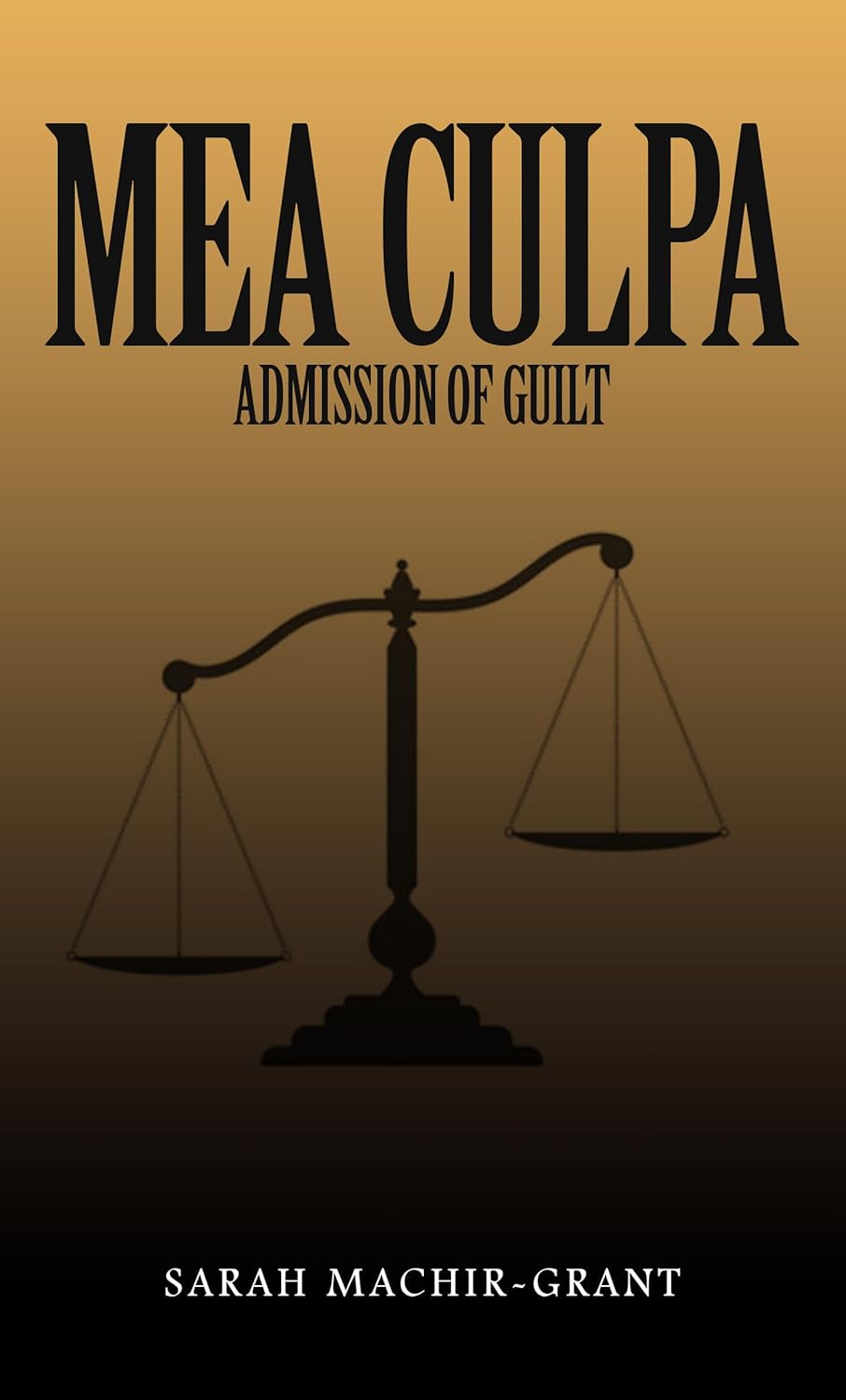
Unlike physical violence, emotional abuse rarely announces itself in obvious ways. It often arrives through small comments that chip away at confidence, unpredictable moods that keep someone on constant alert, or controlling behaviors disguised as concern. Because these actions do not leave visible signs, survivors often struggle to explain what is happening to them. They may sense something is wrong, but without clear evidence, they question their own judgment. This confusion is part of the control. When a person cannot trust their own perception, they become more easily manipulated.
In everyday life, emotional abuse can look like a partner who criticises every decision until the other person stops making choices. It can look like a parent whose approval must be earned through constant compliance. It can show up as guilt, fear, or the feeling of walking on eggshells. None of these behaviours leaves bruises, yet the impact can last far longer than any physical injury.
MEA CULPA serves as a case study in how these invisible wounds form and evolve. The memoir uncovers how psychological pressure in childhood can shape a person’s inner world, creating patterns of fear and self-doubt that follow them into adulthood. For example, Sarah Machir-Grant describes how emotional instability in her home taught her to stay small, quiet, and compliant. She learned to predict anger before it appeared and to absorb blame that was never hers to bear. These early lessons did not remain confined to childhood. They became the framework through which she understood her relationships, choices, and sense of safety.
It mirrors the experience of many survivors of emotional abuse. A child raised in a tense or unpredictable home may grow into an adult who avoids conflict at all costs. Someone who was constantly criticised may become an adult who doubts their worth, even when others see strength. Another person may carry an ongoing fear of making mistakes because they learned early on that mistakes brought punishment or shame.
These are invisible bruises. They do not fade with time. They require understanding and careful attention to heal.
One of the greatest challenges survivors face is the lack of validation. Emotional abuse is often dismissed as oversensitivity or misunderstood as normal family behavior. Without the right support, survivors may minimise their own pain because it does not look severe enough from the outside. This lack of recognition can deepen the long shadow the abuse leaves behind.
By telling her story with honesty and precision, Sarah Machir-Grant offers readers a clear view of the hidden injuries that many people carry but rarely discuss.
For anyone seeking to understand emotional abuse more deeply or to recognise it in their own life, MEA CULPA (Admission of Guilt) is a powerful and important read.
This book is available on Amazon: https://www.amazon.com/dp/B0G4KSKTZZ/.